Article Ttitle: Programmatic mapping and size estimation of people who inject drugs to plan targeted HIV prevention and harm reduction programs in Iran, a nationwide study
:Post in LinkedIn
:Main Content
In Iran, HIV is closely linked with people who inject drugs (PWID). Even though the country has made strides in providing support and harm reduction services, many drug users still can't access the help they need. To tackle this, researchers conducted a thorough mapping and size estimation of drug use hotspots across 82 cities in 24 provinces
The study found over 4,200 hotspots where drug injection happens, with most located in areas with at-risk people. An estimated nearly 15,000 people were identified as active drug injectors, mainly men aged 30 to 59. Worryingly, only half of these hotspots currently have active harm reduction programs like clean needle distribution or health outreach, and many services overlap unnecessarily, wasting precious resources
Despite these challenges, researchers discovered that with better planning and smarter allocation of resources, Iran could maintain strong services even with fewer centers and outreach teams. This would prevent gaps in care and make sure help reaches where it is most needed
:Conclusion
This study is a crucial step toward optimizing HIV prevention and support for vulnerable populations in Iran. By understanding where drug use is most concentrated and adjusting services accordingly, the country can improve health outcomes, reduce HIV infections, and save lives—all while using resources more wisely. The findings offer hope for better-targeted programs that can make a real difference in the fight against HIV.
:Post in X
Harm reduction services for people who inject drugs in Iran are unevenly distributed, leaving many without access; optimizing service locations could greatly improve coverage and efficiency
.png)
.png)
Link: https://B2n.ir/dd3559
Article title: Methamphetamine use and associated factors among people who inject drugs in Iran, 2020
:Post in LinkedIn
:Main Content
Methamphetamine abuse among drug injectors in Iran has grown to alarming levels. The study, conducted in 2020 with nearly 2,700 participants across 11 major cities, found that about 47% PWID had used methamphetamine in the past three months. This widespread use is influenced by several factors, including experiencing homelessness in the past year, starting drug use before age 18, and injecting drugs for more than a decade.
The research also noted that those who used other illicit opioids, had multiple sexual partners, or lived in certain regions of Iran were more likely to use methamphetamine. Notably, methamphetamine use is intertwined with opioid use, exacerbating health risks.
This surge places significant stress on public health systems, especially given Iran's already high rates of drug addiction. The findings stress the importance of developing specialized harm reduction services, including education, health support, and safe treatment options tailored to people who inject drugs.
:Conclusion
This study shines a spotlight on the complex and growing challenge of methamphetamine use in Iran's vulnerable drug-injecting population. Addressing this issue through comprehensive, evidence-based interventions could reduce harms, protect public health, and improve lives. The urgent call is clear: targeted harm reduction efforts are essential to counter this troubling trend and support hose at risk
This accessible summary highlights the importance of the research and its implications for public health strategy in Iran
:Post in X
Methamphetamine use is widespread among people who inject drugs in Iran and closely linked to homelessness, early drug use, risky sexual behavior, and opioid co-use, underscoring the need for integrated, harm-reduction interventions
.png)
.png)
Linke: https://B2n.ir/hz2056
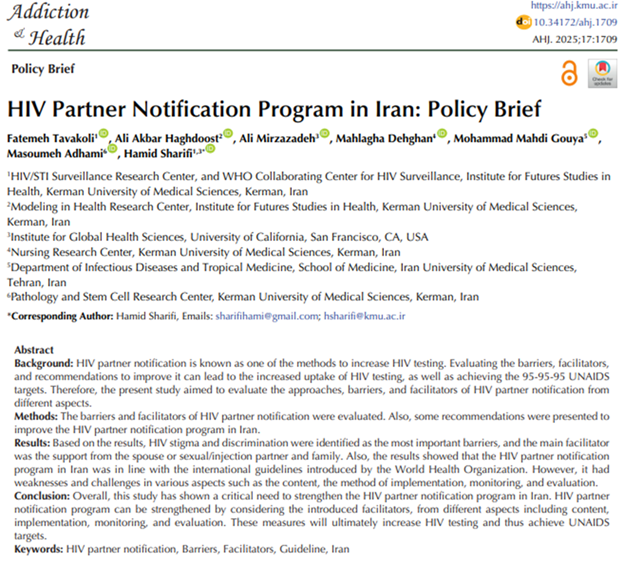
Article title: HIV Partner Notification Program in Iran: Policy Brief
:Main Content
HIV remains a significant public health challenge worldwide, including in Iran, where timely diagnosis and treatment are essential to controlling the disease. A policy brief published in 2025 examined Iran’s current HIV partner notification program—an approach where people diagnosed with HIV are encouraged to inform their sexual and injection partners so they can be tested and treated if needed
The study found that the program follows international guidelines set by the World Health Organization, using trained counselors and integrating with many health services. However, it also revealed significant barriers, such as HIV stigma and discrimination, which cause fear and hesitation about disclosing HIV status to partners. This is especially true among women and vulnerable groups, slowing efforts to reduce new infections
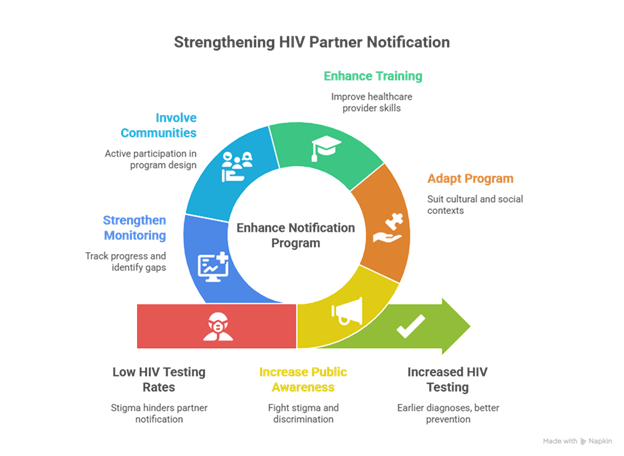
Support from family and partners emerged as a key factor that helps individuals overcome these fears and participate in partner notification. The study also pointed out gaps in monitoring, evaluation, and tailored strategies for high-risk groups that limit the program’s overall effectiveness
To improve the program, experts recommend increasing public awareness to fight stigma, adapting the program to better suit cultural and social contexts, enhancing training for healthcare providers, involving people living with HIV and their communities more actively in program design, and strengthening monitoring systems to track progress
:Conclusion
Enhancing Iran’s HIV partner notification program could significantly increase HIV testing rates, leading to earlier diagnoses, better prevention of transmission, and improved care for those living with HIV. By addressing stigma, supporting individuals, and refining program strategies, Iran moves closer to global targets for HIV control, ultimately safeguarding the health of its population and potentially serving as a model for other countries facing similar challenges
:Post in x
Strengthening Iran’s HIV partner notification program requires reducing stigma, protecting confidentiality, and expanding psychosocial and community support to boost testing and achieve national HIV goals
Link: https://B2n.ir/fw2327
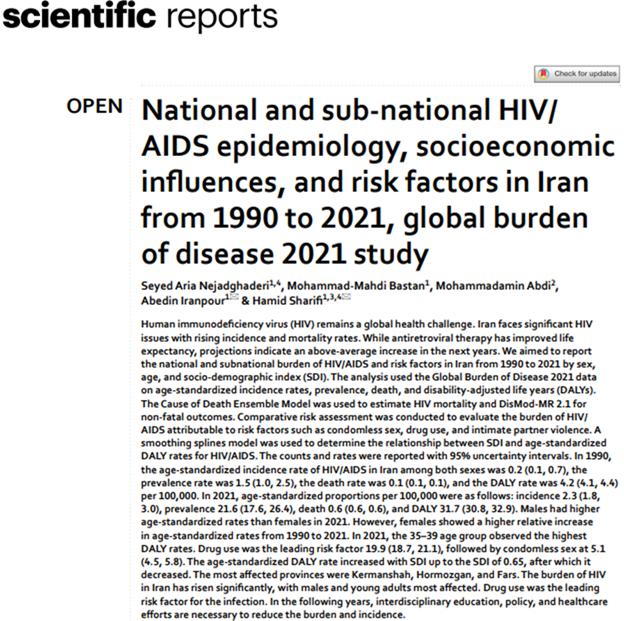
Article title: National and sub-national HIV/ AIDS epidemiology, socioeconomic influences, and risk factors in Iran from 1990 to 2021, global burden of disease 2021 study
:Post in LinkedIn
:Main Content
From 1990 to 2021, Iran witnessed a steep rise in HIV/AIDS infections, with the disease burden increasing by more than six times. Cases of new infections, prevalence, and deaths due to HIV/AIDS all showed significant upward trends during this period.
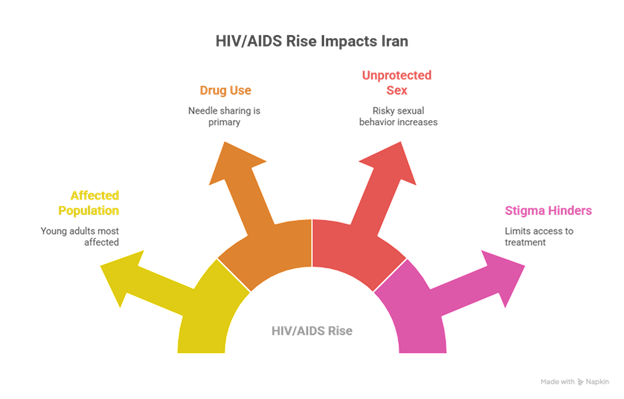
Men were more likely to contract the virus than women, although women have experienced a faster increase in infection rates recently. The age group most affected is young adults aged 35 to 39, reflecting a concerning impact on the country’s productive population.
The primary driver of HIV transmission in Iran has been drug use, especially through sharing needles among people who inject drugs. This is closely followed by unprotected sexual contact. The government has made some progress with harm reduction programs such as providing clean needles and increasing voluntary testing, which has helped reduce infections in some high-risk groups. Yet, stigma, low awareness, and limited access to treatment continue to hinder efforts to control the epidemic.
Geographically, provinces like Kermanshah, Hormozgan, and Fars have experienced the highest rates of HIV/AIDS, emphasizing the need for localized health interventions.
:Conclusion
This study underscores the growing HIV/AIDS challenge in Iran and the need for comprehensive, multi-level strategies encompassing education, healthcare access, and supportive policies. Tackling stigma and expanding harm reduction and treatment programs will be key to curbing the rise of HIV and protecting the health and future of Iran’s population.
This article summarizes the research clearly and simply, highlighting key findings and implications for a broad audience. If you need, I can also provide a version tailored to a specific audience or platform.
:Post in x
HIV/AIDS remains a growing public health concern in Iran, driven mainly by drug use and unsafe sex, with men and young adults most affected; stronger education, prevention, and treatment efforts are urgently needed to curb its rising burden.
Link: https://B2n.ir/hg8634
Article title: Barriers and Solutions to Implement HIV Pre-Exposure Prophylaxis Program Among Key Populations in Iran: A Qualitative Study Using Causal Layered Analysis
:Post in linkedin
:Main Content
HIV remains a significant health concern in Iran, particularly among groups at higher risk, such as sex workers, people who inject drugs, and sexual partners of HIV-positive individuals. Despite its proven ability to dramatically reduce the chance of HIV infection, PrEP is not yet widely used in Iran.
Researchers studied the challenges blocking the adoption of PrEP in Iran. They discovered that while many in at-risk communities and healthcare providers see the benefits of PrEP, obstacles such as lack of awareness, cultural stigma, limited healthcare infrastructure, and trust issues are slowing its spread.
On the brighter side, the study highlights motivations among individuals to stay healthy and protect themselves, as well as the potential for better education and support systems to make PrEP more accessible.
Health experts also emphasize that combining PrEP with existing harm reduction programs—like clean needle exchanges and counseling—can be a cost-effective way to control HIV spread in the country.
:Conclusion
Iran stands at a pivotal moment where overcoming social and organizational hurdles could lead to a major breakthrough in HIV prevention. Expanding PrEP access, coupled with stronger education and healthcare support, promises to safeguard the health of vulnerable populations and reduce new HIV infections. These efforts could set a model for other countries facing similar public health challenges.
:Post in x
Implementing HIV prevention through pre-exposure prophylaxis in Iran faces social stigma, limited awareness, and poor coordination; overcoming these requires education, trust-building, and interagency collaboration to make PrEP accessible and accepted.
.png)
.png)
Link: https://B2n.ir/pz3504
Article title: Evaluating miscarriage incidence after COVID-19 vaccination
:Post in linkedin
:Main Content
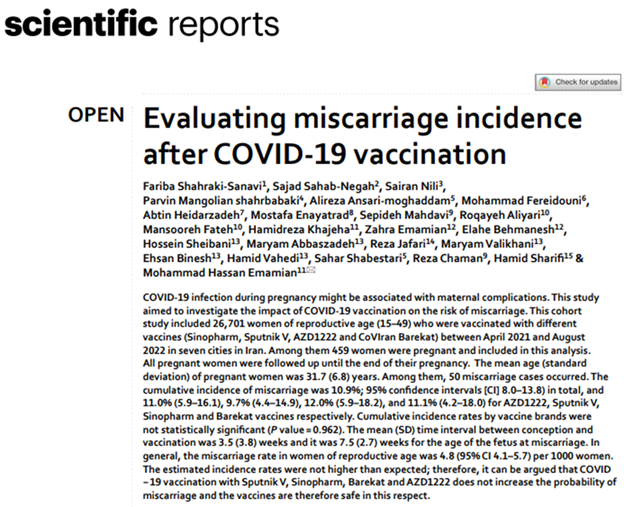
COVID-19 can pose serious health risks to pregnant women, yet many remain hesitant about vaccination due to fears it might harm their pregnancy. A recent study involving tens of thousands of women found that receiving a COVID-19 vaccine during pregnancy does not lead to a higher chance of miscarriage compared to those who are unvaccinated.
The research, conducted on over 26,000 women of reproductive age who received various COVID-19 vaccines, tracked pregnancy outcomes carefully. Among the pregnant women monitored, the miscarriage rates were within expected ranges and showed no significant differences across different vaccine types or timing of vaccination during pregnancy.
Moreover, data from complementary studies confirm that vaccination neither reduces the likelihood of a healthy ongoing pregnancy nor live birth rates. Even the more reactive side effects some pregnant women experience after vaccination, like fever, have not been shown to increase miscarriage risk significantly.
:Conclusion
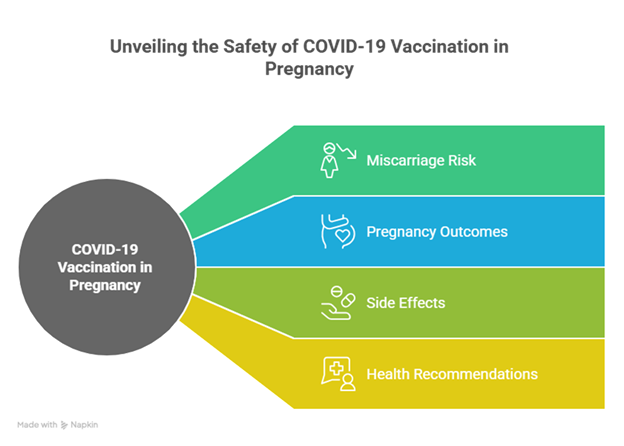
This growing body of evidence supports health experts' recommendations that COVID-19 vaccines are safe for pregnant women. Given the risks COVID-19 infection itself may pose during pregnancy, vaccination offers a crucial layer of protection. Pregnant women and those planning pregnancy should feel confident in choosing to vaccinate to safeguard their health and that of their babies.
Encouraging widespread vaccination in this population can help reduce COVID-19 related complications and improve outcomes for mothers and newborns worldwide.
:Post in x
COVID-19 vaccination with Sputnik V, Sinopharm, Barekat, or AstraZeneca does not increase the risk of miscarriage, indicating that these vaccines are safe for women of reproductive age and during pregnancy.
Link: https://B2n.ir/xy3342
Article title: History of injection drug use in the month preceding incarceration in Iranian prisons
:Post in LinkedIn
:Main Content
Researchers conducted a nationwide survey of nearly 6,000 prisoners across Iran and found that about one in eight had a history of injecting drugs. Even more strikingly, one in five of these individuals had used injecting drugs within the month leading up to their incarceration. This indicates that many inmates arrive at prison already at risk of continuing drug use behind bars or resuming it after release.
Most people who inject drugs started in their mid-twenties, often influenced by friends. Interestingly, younger inmates and those with tattoos or previous prison terms were more likely to have injected drugs recently. While many did use new syringes, highlighting some awareness of health risks, a notable portion relied on used needles, raising concerns about the spread of infections like HIV and hepatitis.
The findings highlight the importance of tailored prevention programs targeting younger prisoners and those with repeated incarcerations. Implementing measures such as needle exchange programs and expanded access to rehabilitation within prisons could significantly reduce the transmission of infectious diseases among inmates. Such initiatives also benefit public health overall, as they help reduce community-wide drug-related harms when prisoners return home.
:Conclusion
This study paints a vivid picture of the ongoing risks faced by prisoners in Iran linked to injecting drug use just before incarceration. It underscores an urgent need for comprehensive health programs inside prisons that combine prevention, harm reduction, and rehabilitation. Addressing these risks effectively can protect vulnerable populations and help stem the wider spread of infectious diseases, making prisons not just places of punishment but centers for health interventions and recovery.
Such efforts could transform the lives of many, curbing cycles of drug use and incarceration, and improve community health outcomes long after prisoners leave behind the prison walls.
:Post in x
Injecting drug use before imprisonment is common among Iranian inmates, especially younger individuals and those with prior incarcerations or tattoos, highlighting the urgent need for targeted prevention, rehabilitation, and harm-reduction programs in prisons.
.png)
.png)
link: https://B2n.ir/mn4376
Article Title: Trend in the prevalence of obesity and overweight among Iranian children and adolescents: A systematic review and meta-analysis
:Post in LinkedIn
:Main Content
Researchers have conducted a detailed review of various studies to understand how obesity rates among Iranian kids have changed over time. The findings reveal a worrying upward trend, with more young people facing weight-related health risks than ever before. This increase is linked to changing lifestyles, including less physical activity and more unhealthy eating habits.
The study combined data from numerous reports and applied rigorous methods to ensure accuracy. It found that both boys and girls are affected, and the problem is growing steadily across different age groups. Obesity in childhood can lead to serious health challenges such as diabetes, heart disease, and other chronic conditions later in life.
Experts emphasize that this is not just a matter of personal health but a societal concern that demands intervention through education, community programs, and policy changes aimed at promoting healthier ways of living.
:Conclusion
The study serves as a crucial wake-up call to parents, schools, and policymakers in Iran. By addressing the causes of childhood obesity early, there is a chance to improve the future health of this generation and reduce the burden of obesity-related diseases on society.
This version simplifies complex concepts, avoids jargon, and highlights the significance and implications of the research in a way that engages and informs a general audience while staying true to the core findings.
:Post in X
The take-home message of the article is: Childhood obesity and overweight rates in Iran are increasing, posing significant public health challenges, and urgent efforts are needed to implement effective prevention and intervention strategies.
.png)
.png)
Link: B2n.ir/qq5556
Article Title: Islamic fasting and weight loss: a systematic review and meta-analysis
Post in LinkedIn
:Main Content
During Ramadan, Muslims fast from dawn to sunset, which naturally reduces the amount of food consumed each day. Researchers who looked closely at dozens of studies found that people typically lose about 1.24 kilograms (nearly 3 pounds) during this month. Both men and women experience this weight loss, with men tending to lose slightly more. Interestingly, the effect seems stronger in Asian populations compared to others.
The weight loss mainly comes from eating less and burning stored fat for energy during the long fasting hours. The body adapts by shifting to use fat more efficiently and reducing certain hormone levels to help preserve muscle. Contrary to some beliefs, the loss of muscle mass during Ramadan appears minimal, which is good news for overall strength and metabolism.
However, the research also found that, sadly, most people regain the lost weight within a few weeks after Ramadan ends. This rebound suggests that fasting during Ramadan offers an opportunity for weight loss, but without ongoing lifestyle changes, the effects are mostly temporary.
:Conclusion
Ramadan fasting is more than a spiritual practice—it can be a meaningful way to jumpstart weight loss and promote fat burning. But to turn these benefits into lasting health improvements, it's important to adopt consistent eating habits and exercise beyond the fasting period. This research highlights the potential of intermittent fasting as a tool for weight management, especially when paired with long-term healthy habits.
This summary captures the essence of the findings in clear and simple language, emphasizing both the short-term effectiveness and the importance of long-term lifestyle changes for lasting results.
:Post in X
The main takeaway from the article is that Islamic fasting during Ramadan causes temporary weight loss, but this is generally regained afterward, highlighting that lasting weight loss requires ongoing lifestyle changes.
.png)
.png)
link: https://B2n.ir/rd8595
Article Title: Prevalence of type 2 diabetes in the Islamic Republic of Iran: Systematic review and meta-analysis
Post in LinkedIn
:Main Content
Researchers in Iran systematically reviewed all published studies on type 2 diabetes conducted between 1996 and 2004, combining data from national health surveys and individual studies covering 27 provinces. They found that diabetes prevalence rises steadily with age, starting from young adulthood. Approximately 24% of adults over 40 were living with diabetes. Women had a slightly higher risk of developing type 2 diabetes—about 1.7% more than men.
The study showed that Iran’s diabetes prevalence is higher than in many other developing countries, attributed to differences in population demographics and lifestyle. The researchers linked the increase to modern lifestyle changes such as unhealthy diets, reduced physical activity, and increasing obesity rates. They underscored that diabetes is more than an individual health issue; it significantly strains the healthcare system and economy.
Because Iran’s population age structure differs from other countries, the researchers advocated for using age-adjusted prevalence rates rather than crude rates for better accuracy. They stress the need for national health programs focused on early diabetes detection and prevention, including regular screenings and promoting healthier lifestyles.
Conclusion:
As type 2 diabetes continues to affect more Iranians, health experts urge urgent action to mitigate its impact. By improving public awareness and healthcare services, Iran can better control this chronic disease and improve millions of lives. This study serves as a vital alert and guide for policymakers to implement effective health programs.
:Post in X
The key message of the article is that type 2 diabetes is a growing public health issue in Iran, with prevalence strongly affected by age and gender, urging the need for focused prevention and management strategies tailored to these factors.
.png)
.png)
link: https://B2n.ir/zp6644
Article Title: Cost-of-illness analysis of type 2 diabetes mellitus in Iran
Post in LinkedIn
:Main content
Type 2 diabetes, a chronic condition characterized by high blood sugar, is not only a major health issue but also an expensive one. In Iran, about 2.43 million people were diagnosed with the disease in 2009. Researchers found that treating these patients cost the country nearly 3.8 billion dollars—about 8.7% of all healthcare spending that year. This total includes both direct medical expenses—like hospital stays, doctor visits, medications, and tests—and indirect costs from lost productivity due to illness and disability.
Almost half of the direct costs came from managing complications such as heart disease, kidney problems, and eye diseases, which are common among people with diabetes. Medications accounted for almost a quarter of the expenses. The disease also leads to significant missed work days, permanent disabilities, and even premature death, all contributing to economic losses.
The financial impact on individuals is considerable, with many patients facing out-of-pocket expenses that add to the overall burden. The study also notes that the cost per patient in Iran is lower than in some high-income countries but still represents a heavy strain locally.
:Conclusion
This research underscores the urgent need for better prevention and management of type 2 diabetes in Iran. By focusing on healthier lifestyles, early diagnosis, and effective treatment, Iran could reduce the costly complications of diabetes, saving money and improving quality of life for millions. Addressing this growing epidemic is critical not just for health but for the nation’s economy and future well-being.
This study provides valuable insight into the economic toll of diabetes, helping policymakers and health professionals prioritize actions to control the disease and mitigate its impact on society.
:Post in X
The study highlights that type 2 diabetes imposes a significant economic burden in Iran, emphasizing the urgent need for effective prevention and management strategies to reduce healthcare costs.
.png)
.png)
link: https://B2n.ir/dr3050
Article Title: Long-term protection provided by hepatitis B vaccine and need for booster dose: A meta-analysis
Post in LinkedIn
:Main Content
Hepatitis B is a virus that can cause liver damage and even cancer. To prevent this, millions of people receive a series of vaccine shots usually given in infancy or childhood. These shots train the immune system to fight the virus if exposed.
Scientists have studied how long this vaccine protection lasts. The good news is that for many people, the vaccine provides solid defense for at least 20 years—and likely longer. Doctors measure antibodies—the proteins that fight the virus—to see if protection is still strong. In some cases, antibody levels drop over time, but this doesn't always mean people lose their immunity. The immune system often remembers the virus and can quickly respond again if needed.
Boosters, or extra vaccine doses, can help raise antibody levels back up. Research shows that giving booster shots to people who have very low antibody levels works well and safely increases protection. However, for those who still have adequate antibodies, routine boosters are usually not required.
Experts suggest that those at higher risk of exposure, such as healthcare workers or people living in areas with many hepatitis B cases, might benefit from boosters to stay extra safe. For the general public, the standard vaccination series remains very effective without frequent need for additional shots.
:Conclusion
These findings bring reassurance that hepatitis B vaccines offer long-lasting protection, reducing the need for widespread booster doses. However, booster shots remain an important tool for certain groups, ensuring continued defense against hepatitis B infection. This ongoing research helps guide vaccination policies to keep people healthy and protected worldwide.
This news article distills the key points from scientific studies into clear, simple language designed to inform and engage a general audience about the importance and longevity of hepatitis B vaccine protection and the role of booster doses.
:Post in X
Hepatitis B vaccination provides strong, long-lasting protection for most people, often lasting 20 years or more without needing booster shots, thanks to immune memory; boosters are generally only needed for those with low antibody levels or higher exposure risk.
.png)
.png)
Linke: https://B2n.ir/bp5910
Article Title: Projection of diabetes population size and associated economic burden through 2030 in Iran: Evidence from micro-simulation Markov model and Bayesian meta-analysis
Post in LinkedIn
:Main Content
A recent study has projected major increases in diabetes cases across Iran over the next decade. Using advanced simulation models, researchers found that millions more Iranians will develop diabetes unless effective measures are put in place. The rise is driven by population growth, aging, lifestyle changes, and rising obesity rates.
Currently, diabetes affects a significant percentage of adults in Iran, but awareness and control of the disease remain uneven. While many diagnosed patients receive treatment, only a fraction manage to keep their blood sugar levels under control. This leaves many at risk for serious complications like heart disease, kidney failure, and vision loss.
Experts warn that without early detection and lifestyle changes, the economic and health burdens will continue to escalate, straining Iran’s healthcare system. The study stresses the importance of expanding screening programs, raising public awareness, and improving access to effective treatments.
:Conclusion
The looming diabetes epidemic in Iran is a wake-up call for policymakers, healthcare providers, and the public. By acting now to promote healthier lifestyles and enhance diabetes care, Iran can prevent much of the projected burden, ensuring a healthier future for millions of its citizens.
This article translates the scientific findings into clear, approachable language while emphasizing the significance and potential impact of the research for the general public. If a similar news article is needed for a different audience or with additional details, adjustments can be made accordingly.
:Post in X
Diabetes in Iran is projected to nearly double by 2030, leading to a substantial increase in health and economic burdens, emphasizing the urgent need for effective prevention, early diagnosis, and improved management to reduce future impacts.
.png)
.png)
Article title: Retention of physiology knowledge among medical students in basic science: a cross-sectional study
:Post in LinkedIn
:Main Content
Medical students often struggle to remember detailed physiology content over time, even though it is a crucial foundation for their clinical education. The study observed the knowledge retention of physiology among medical students, uncovering that many experience a natural decline in recall as they progress through their training.
Experts suggest that addressing this gap requires innovative educational strategies that reinforce learning continuously rather than relying solely on traditional exams. By integrating ongoing review sessions, practical applications, and early exposure to clinical settings, students are more likely to solidify their understanding.
This research is particularly significant because strong physiology knowledge is essential for diagnosing and treating patients effectively. As medical education evolves, findings like these help shape curricula that better prepare future doctors to provide high-quality care.
:Conclusion
The study underscores the need for medical educators to rethink how foundational sciences like physiology are taught and reinforced. Ultimately, improving knowledge retention benefits both students and the quality of healthcare they will deliver. This research paves the way for educational improvements that could have lasting positive impacts on medical training and patient outcomes.
:Post in X
Active and clinically integrated learning is essential to preserve medical students’ physiology knowledge, as passive memorization leads to significant long-term knowledge loss.
.png)
.png)
Link: https://B2n.ir/pn8394
Article title: Assessing the professionalism of nursing internship students from the perspective of educational instructors students in Namazi Hospital of Shiraz University of Medical Sciences in 2021
:Post in LinkedIn
:Main Content
In healthcare, professionalism among nurses is essential for ensuring effective patient care and a well-functioning medical team. Researchers at Shiraz University of Medical Sciences explored how nursing internship students are perceived in terms of professionalism by their educational instructors at Namazi Hospital.
The study found that nursing students exhibit strong professional behaviors, especially in how they communicate and work within their teams. Instructors noted that these students understand the importance of their roles and apply what they have learned about professionalism in real clinical settings. This includes respect for patients, collaboration with colleagues, and responsibility in their duties.
The findings also pointed out areas where students could improve, highlighting the need for ongoing support and training to help them meet the high expectations of the healthcare environment. By focusing on enhancing these skills, the study suggests that nursing education programs can better prepare students for the challenges of their profession.
:Conclusion
This research underscores the crucial role nursing internships play in shaping future healthcare professionals. Strengthening professional skills during training not only benefits the students but ultimately improves patient outcomes and healthcare quality. As nursing education evolves, studies like this provide valuable guidance on how to best support and develop the next generation of nurses.
:Post in X
Developing nursing students’ professionalism requires practical training, role modeling, and consistent engagement during internships to prepare them for responsible clinical practice.
.png)
.png)
Link: https://B2n.ir/qd9421
Article title: Residency training or migration: a multicentric study exploring the willingness to migrate among medical residents in Iran
:Post in LinkedIn
:Main Content
Medical residents in Iran, who are doctors undergoing specialized training, are increasingly willing to leave the country after their education. Researchers surveyed 254 trainees from top medical schools across Iran and found that a large majority are unhappy with the current conditions. Low salaries that do not match their workload and the high cost of living are main reasons driving their desire to move abroad. Many also cited better welfare and working conditions in other countries as strong incentives to leave.
The study shows that if medical trainees had been aware of these issues earlier, many would have chosen to emigrate even before starting their residency programs. This presents a significant “brain drain” risk, where highly skilled medical professionals leave Iran, potentially worsening the country’s healthcare system at a time when it critically needs expert doctors.
Iran’s healthcare sector is not alone in facing this issue. Similar patterns of skilled professionals emigrating have been reported across many fields in Iran, prompted by economic hardships, inflation, and a lack of career growth opportunities. The government is aware of the problem but has yet to implement sufficient changes to retain talent.
:Conclusion
This wave of migration among medical residents underscores the urgent need for reforms in Iran’s healthcare training system. Improving working conditions, increasing salaries, and providing fair employment policies could help keep these vital professionals in the country. Without action, Iran risks losing a generation of skilled doctors, which could have a lasting negative impact on public health and the nation’s future.
The study sheds important light on the human side of Iran’s broader brain drain crisis and signals a call for policymakers to prioritize support for young medical professionals.
This news article conveys the essential findings from a recent scholarly study in clear, accessible language, emphasizing the significance and potential impact of the research on Iran's healthcare system and society.
:Post in x
Most Iranian medical residents wish to migrate mainly due to poor pay, heavy workloads, and inadequate support, highlighting the urgent need to improve residency conditions to retain doctors.
.png)
.png)
Link: https://B2n.ir/bu4176
Article title: The feedback dilemma in medical education: insights from medical residents’ perspectives
:Post in LinkedIn
:Main Content
Medical education is demanding, and students often struggle to learn and apply vast amounts of information. A breakthrough study explored how giving students instant feedback on their answers can change their learning experience. Using computer-based learning modules in pharmacology, researchers found that students who received immediate feedback spent more time engaging with the material.
Rather than simply checking answers after a delay, this method showed students exactly what they got right or wrong right away, encouraging them to think deeply and study further. The feedback was short, clear, and non-threatening, making the learning process more enjoyable and less stressful.
Although the students’ test scores did not improve significantly immediately after these sessions, the real benefit was in building a habit of self-assessment and motivating students to explore topics more thoroughly. This suggests that the positive effects of immediate feedback may take time to reflect in measurable test results but greatly enhance understanding and confidence.
Educators also appreciate this approach as it supports deeper learning and helps students connect concepts to real clinical practice. The technology-augmented feedback modules could be expanded to other medical subjects, helping future doctors to learn more effectively in a fast-paced, challenging environment.
:Conclusion
This research highlights the importance of timely, clear feedback in medical training. By making learning interactive and supportive, immediate feedback could transform how medical students develop their skills and knowledge, leading to better-prepared doctors and improved patient care in the long run.
:Post in X
Creating a culture of open, timely, and skilled feedback in medical residency is vital to improving learning, professional growth, and ultimately patient care outcomes.
.png)
.png)
Link: https://B2n.ir/fg6354
Article Title: Medical Teachers’ Entrustable Professional Activities for Clinical Education
Post in Linkedin
:MAIN CONTENT
For years, medical professors have faced a challenging reality: while they're experts in their medical specialties, many receive minimal training on how to effectively teach the next generation of doctors. This gap in teaching preparation has now been addressed through a comprehensive research study involving clinical specialists across multiple medical fields.
The research team developed what they call "Entrustable Professional Activities" – essentially a practical checklist of teaching skills that medical educators need to master. Think of it as a roadmap for what makes a great medical teacher, broken down into measurable, achievable skills.
The framework identifies five key areas where medical teachers need expertise:
-
Course Design and Planning – Creating effective lesson plans and choosing the right teaching methods for different situations
-
Technology Integration – Using modern tools like digital learning platforms and virtual reality in teaching
-
Communication and Role Modeling – Demonstrating professional behavior and mentoring students effectively
-
Professional Development – Continuously improving their own teaching skills and medical knowledge
-
Educational Research – Studying teaching methods and sharing best practices with colleagues
"What makes this approach revolutionary," explained one researcher, "is that it provides clear, observable teaching skills that can be assessed and improved upon. Rather than assuming good teachers are born, not made, we're showing that great teaching can be systematically developed."
:SIGNIFICANCE AND IMPACT
This research comes at a critical time when healthcare systems worldwide face increasing demands for highly skilled doctors. The framework offers medical schools a practical tool to ensure their professors are not just medical experts, but also effective educators.
:Hospitals and medical schools can use this system to
-
Provide targeted training for their teaching staff
-
Assess teaching effectiveness objectively
-
Ensure consistent quality in medical education
-
Ultimately improve patient care through better-trained doctors
:CONCLUSION
As one education specialist noted, "When we improve how we train medical teachers, we enhance how students learn, which ultimately translates to better patient care. This isn't just about education – it's about creating a ripple effect that reaches hospital bedsides and improves healthcare outcomes for everyone."
The study represents a significant step toward ensuring that the doctors of tomorrow learn from professors who are not only medical experts but also skilled educators – potentially transforming medical education and patient care for generations to come.
:Post in x
To improve clinical education and patient care, medical teachers need structured training and assessment in core teaching competencies, not just medical expertise.
.png)
.png)
Link: https://B2n.ir/yd9368
Article Title: The effectiveness of teaching complementary and alternative medicine based on the components of theory of planned behavior on nutrition students: multicenter research study
Post in Linkedin
:MAIN CONTENT
A study of 162 nutrition students across Iran found that those who believed their two-credit complementary and alternative medicine (CAM) course was insufficient showed significantly more positive attitudes, stronger intentions to use these therapies, and were more likely to actually recommend them. These students were also more inclined to use CAM treatments themselves.
The research revealed that attitude alone predicted 70% of a student's intention to use alternative medicine. When combined with behavioral intention, it predicted a remarkable 90% of their actual behavior—far outweighing the role of knowledge alone.
Current CAM education faces challenges like insufficient scientific evidence and limited trained professionals. Students requested more continuous education integrated throughout their curriculum, taught by nutrition professors, with opportunities to interact with practicing CAM specialists.
:CONCLUSION
As patients increasingly seek integrative healthcare, this study suggests that effectively training future providers requires more than brief courses—it demands building positive attitudes through sustained, well-designed education that prepares them for real-world patient needs.
:Post in x
A positive attitude, more than knowledge alone, is the strongest factor determining whether healthcare students will use and recommend complementary medicine, requiring educational programs that build confidence through sustained integration.
.png)
.png)
link: https://B2n.ir/tr3915
Article Title: Reconstructing feedback in graduate medical education: development of the REFLECT scale to measure feedback delivery in medical residency training
:Post in Linkedin
:MAIN CONTENT
The comprehensive study involving medical residents across multiple specialties found that effective feedback isn't just about what is said, but how, when, and where it's delivered. The research identified four key dimensions that make feedback successful: the trainee's attitude toward feedback's value, the quality of its delivery, how important they consider feedback for their growth, and their emotional reaction to both positive and negative comments.
The newly developed REFLECT scale serves as a quick diagnostic tool that medical training programs can use to identify weaknesses in their feedback systems. It addresses the common problem where instructors believe they're providing adequate feedback, but trainees report receiving insufficient or ineffective guidance.
:SIGNIFICANCE
This breakthrough comes at a critical time when medical training programs worldwide are seeking ways to improve how they prepare the next generation of doctors. The tool helps institutions pinpoint exactly where their feedback systems are failing—whether it's poorly timed comments, unclear suggestions for improvement, or emotional barriers that prevent residents from accepting constructive criticism.
:CONCLUSION
By providing a clear framework to evaluate and improve feedback practices, this research offers medical training programs a practical way to enhance how they develop future physicians. Better feedback doesn't just create better doctors—it ultimately leads to better patient care, making this development significant for anyone who will ever need medical treatment.
:Post in x
Effective medical training feedback requires addressing four key elements: the learner's attitude toward feedback, its delivery quality, their perception of its importance, and their emotional response, all measurable through a new validated tool.
.png)
.png)
Link: https://B2n.ir/qj1649
Article Title: Residency training or migration: a multi-centric study exploring the willingness to migrate among medical residents in Iran
Post in Linkedin
:MAIN CONTENT
The multi-university research, conducted among 254 medical residents across Iran's top medical schools, found that four out of five doctors-in-training would choose migration over entering residency programs if they knew then what they know now about working conditions. While most residents expressed strong desire to leave, fewer had concrete plans to do so, suggesting financial and bureaucratic barriers are temporarily keeping them in place.
The overwhelming reason cited for wanting to leave was economic—specifically, salaries that don't match their workload and living costs. Residents also pointed to better welfare systems abroad and unfair employment laws as key factors driving their migration intentions.
:SIGNIFICANCE
This potential exodus of medical talent threatens to worsen Iran's already critical physician shortage, potentially leaving millions without adequate healthcare access. The situation reflects a broader pattern of healthcare brain drain affecting many developing countries.
:CONCLUSION
Researchers urge immediate reforms to residency programs, including adjusted work hours, adequate compensation, and better career prospects. Without these changes, Iran and similar nations risk losing their future medical specialists to countries offering better working conditions and quality of life.
:Post in x
Iran faces a critical brain drain of its future doctors, primarily driven by economic pressures and poor working conditions during residency, requiring urgent reforms to retain medical talent and ensure healthcare stability.
.png)
.png)
Link: https://B2n.ir/xr3458
Article Title: Retention of physiology knowledge among medical students in basic science: a cross-sectional study
:Post in Linkedin
:MAIN CONTENT
A study tracking 104 medical students found significant knowledge loss in core physiology subjects like gastrointestinal, cardiovascular and nervous systems. Students tested on material they had previously mastered showed declining scores as they advanced through their training, demonstrating that without active reinforcement, even critically important medical knowledge fades over time.
The research suggests that traditional medical education methods, which often emphasize memorization, may be insufficient for long-term retention. This knowledge erosion occurs precisely when students need these scientific foundations most—as they begin diagnosing and treating patients.
:SIGNIFICANCE
This finding matters because physiology knowledge forms the basis for clinical reasoning and accurate diagnosis. When doctors forget these fundamental principles, it could potentially affect their ability to understand complex medical cases and make informed treatment decisions.
:CONCLUSION
The study recommends educational reforms including regular knowledge refreshers, practical applications of scientific concepts, and better integration of basic science with clinical training. These changes could help ensure that future doctors retain the essential knowledge needed to provide high-quality patient care throughout their careers.
:Post in x
Medical students significantly lose essential physiology knowledge over time without active reinforcement, necessitating educational reforms that integrate continuous clinical application and retrieval practice for long-term retention.
.png)
.png)
Article Title: Faculty Members’ Promotion: Challenges and Solutions LEDE: Current systems for promoting university professors are failing because they use identical standards for all disciplines and regions, creating unfair barriers to career advancement and discouraging important work that doesn't fit traditional metrics.
:Post in Linkedin
:MAIN CONTENT
According to education experts, promotion regulations often treat humanities professors the same as medical researchers, despite their very different work requirements. The system also applies the same criteria to universities in different regions, ignoring local community needs and resources.
The heavy emphasis on research publication quantity has created what critics call a "publish or perish" culture, where the number of papers matters more than their quality or real-world impact. This approach discourages professors from addressing local problems or pursuing innovative teaching methods.
:SIGNIFICANCE
These flawed promotion systems ultimately affect education quality and research relevance. When professors are rewarded only for certain types of work, they may avoid community engagement, creative teaching methods, or research that addresses regional needs but doesn't generate high-profile publications.
:CONCLUSION
Researchers recommend creating flexible promotion criteria that recognize different types of valuable academic work. By accounting for disciplinary differences, regional needs, and work quality rather than just quantity, universities could better support their faculty and ultimately serve their communities more effectively.
:Post in x
Current faculty promotion systems require fundamental reform, as their rigid, one-size-fits-all criteria fail to account for disciplinary differences, regional needs, and research quality, ultimately misdirecting academic efforts and stifling innovation.
.png)
.png)
Link: https://B2n.ir/ye1437
Article Title: Explaining the Residents’Perception of Desirable Clinical Education: A Qualitative Content Analysis
:Post in Linkedin
:Main Content
The qualitative study, based on in-depth interviews with 17 residents, identified six key pillars for successful medical training.
First and foremost, residents emphasized the need for capable clinical professors. These are mentors who are not only experts in their field but are also present, supportive, and dedicated to teaching, rather than being overburdened with administrative tasks.
Secondly, the study highlighted the importance of an effective clinical environment. This means having access to modern equipment and technology and, crucially, knowing how to use them properly for learning.
Other critical factors include comprehensive planning—having a clear, structured educational program so residents know what to expect and when—and strong educational management from university officials to ensure consistent quality and oversight.
Finally, the research pointed to the need for fair and clear rules applied equally to all, and continuous efforts to improve educational processes, such as making teaching rounds and morning reports more learning-focused.
:Conclusion
The significance of this research extends far beyond the classroom. By outlining what residents need to thrive, it provides a clear blueprint for medical schools and hospitals to improve training programs. Ultimately, investing in better clinical education doesn't just create better doctors—it leads to better, safer patient care for everyone, strengthening the entire healthcare system. The study reminds us that the quality of our future healthcare depends on the quality of training we provide today.
.png)
.png)
Link: https://B2n.ir/nm3127
Article Title: Explanation of A Framework for the Effective Implementation of E-Learning at Universities of Medical Sciences: A Mixed Exploratory Method
:Post in Linkedin
:Main Content
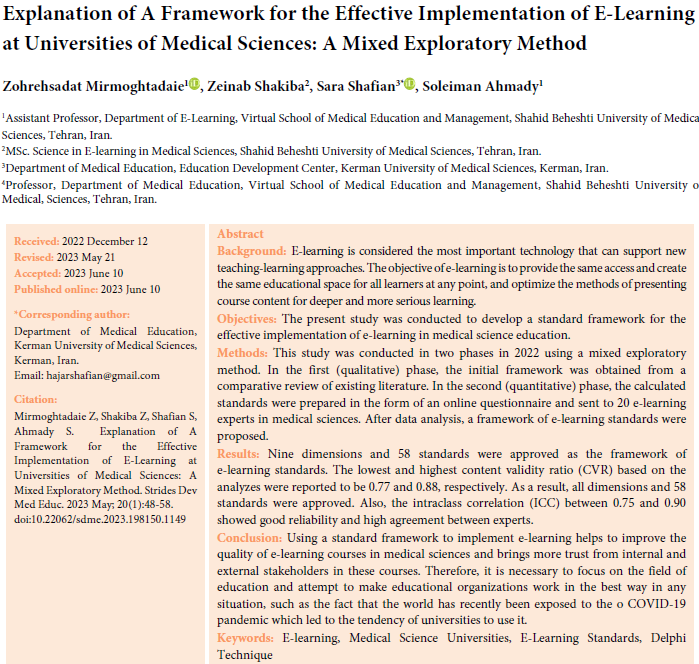
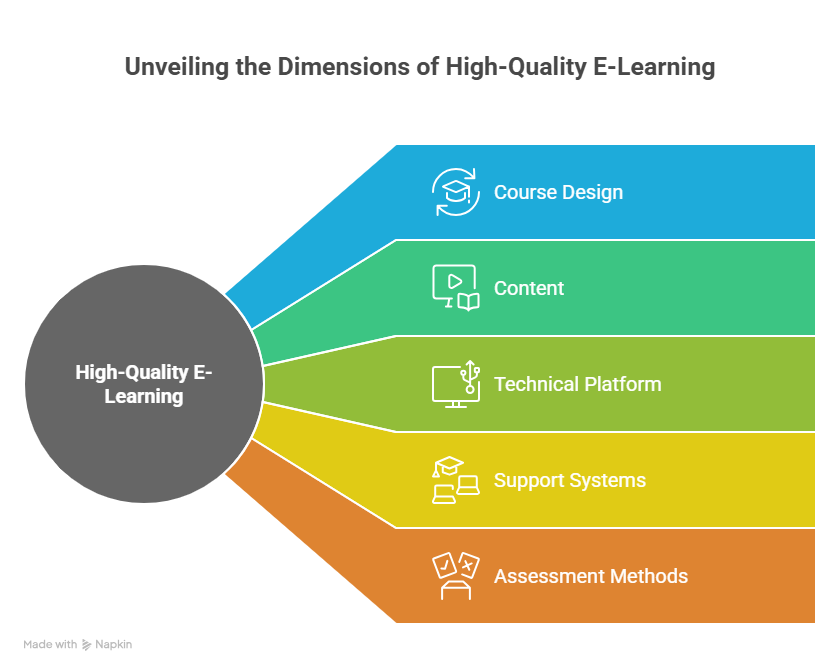
The study, which combined a global review of best practices with input from leading experts, moves beyond the simple idea of just putting lectures online. It emphasizes that high-quality e-learning requires a holistic approach. Key areas include well-structured course design with clear objectives, up-to-date and visually engaging content, and a user-friendly technical platform accessible on various devices.
Crucially, the framework highlights the human element often missing in digital education. It calls for robust support systems for both students and professors. This includes ensuring learners have access to academic and technical help to prevent isolation, and that instructors receive proper training to teach effectively online. The study also advocates for fair and varied methods of student assessment.
:Conclusion
This research provides a critical tool for medical schools worldwide. By adopting this comprehensive framework, universities can build greater trust in their online programs, ensuring they graduate highly skilled and competent doctors. Ultimately, improving the quality of digital medical education strengthens the entire healthcare system, guaranteeing quality care for patients everywhere.
:Post in x
To ensure high-quality online medical education, universities must adopt a comprehensive framework covering course design, content quality, technical reliability, and robust support for both
students and professors
.
Link: https://B2n.ir/we7053
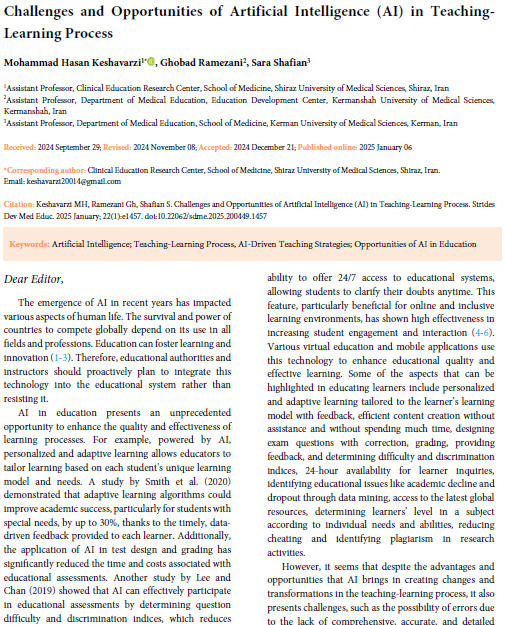
Article Title: Challenges and Opportunities of Artificial Intelligence (AI) in eaching-Learning Process
:Post in Linkedin
:Main Content
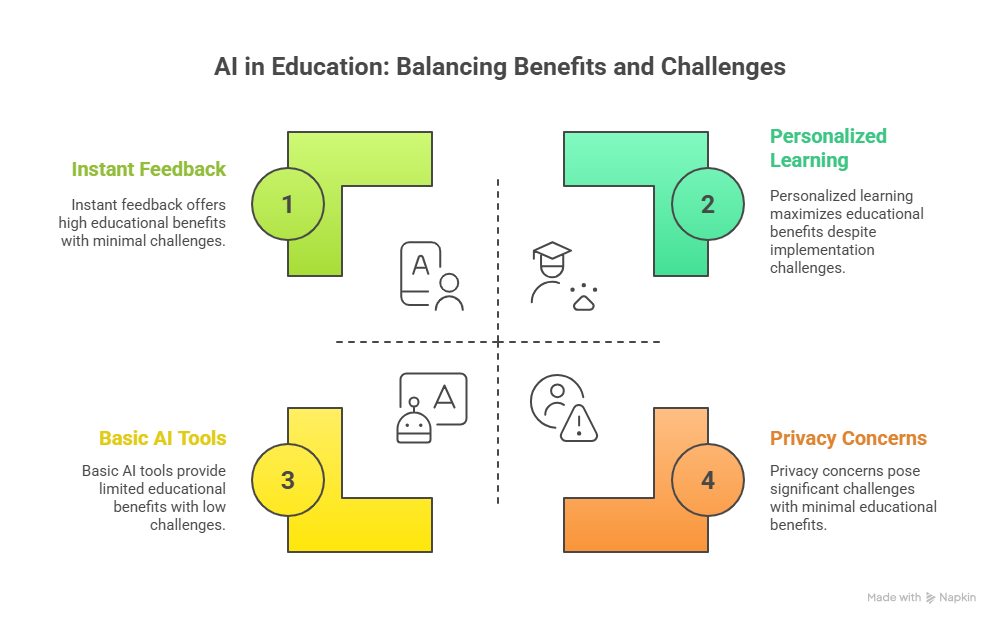
According to the report, AI's greatest strength in education is its ability to create a custom learning journey for each student. It can adapt lessons to a student's unique pace and style, provide instant feedback, and even help design and grade tests, freeing up educators for more direct student interaction. Furthermore, AI-powered systems are available 24/7, offering students help whenever they need it.
However, the analysis cautions that this promising technology comes with significant challenges. AI systems can make mistakes if they are trained on incomplete or biased data, potentially misjudging a student's abilities. There is also a serious risk of widening the gap between privileged and underserved students, as not all schools or families have equal access to advanced AI tools. Perhaps the most pressing concern is the current lack of clear rules to protect student privacy and intellectual property.
:Conclusion
The researchers conclude that the key to harnessing AI's power lies in proactive planning. They recommend that schools and governments form specialized teams of educators, tech experts, and policymakers to develop ethical guidelines and ensure fair access. By tackling these challenges head-on, the educational community can steer this powerful technology toward a future where it enhances learning for all students, rather than creating new problems.
:Post in x
Artificial Intelligence presents transformative opportunities for education but requires proactive planning to address its risks, ensuring ethical and equitable implementation through collaboration between educators, technologists, and policymakers.
Article Title: Effects of a polypill on circulating levels of resistin and visfatin in men with non-alcoholic fatty liver disease: A five-year clinical trial
:Main Body
The study focused on Non-Alcoholic Fatty Liver Disease (NAFLD), a condition affecting one in four people globally, where lipids build up in the liver. It is closely linked to obesity and diabetes.
Researchers investigated the effects of a daily polypill—containing a cholesterol-lowering drug, a blood pressure medication, a water pill, and aspirin—in men with NAFLD. They compared this group to men who only received standard lifestyle advice.
After five years, the results were promising. The polypill successfully lowered levels of a harmful substance called "Visfatin," which is known to promote liver inflammation and damage. While the pill did not significantly affect another similar substance called "resistin," the reduction in Visfatin is considered an important finding.
Beyond this, the treatment confirmed known benefits: patients saw significant improvements in their cholesterol, blood pressure, and some liver health markers.
:Conclusion
This research is significant because it suggests a commonly used heart disease pill could have a direct, positive impact on the underlying biology of fatty liver disease. For the millions living with NAFLD, which currently has no specific approved medication, this offers a potential new and accessible treatment strategy. The findings pave the way for using this multi-purpose pill not just to protect the heart, but also to potentially slow the progression of a pervasive liver condition.
:Post in x
A five-year study found that a daily "polypill" can lower levels of the pro-inflammatory fat hormone visfatin and improve key metabolic health markers in men with fatty liver disease, suggesting a potential new treatment avenue.
Article Title: The Protective Effects of Trehalose on Gene Expression Linked to Oxidative Stress and Inflammation in Liver Tissue of Adult and Aged Wistar Rats
: Main Body
As we get older, our livers, like the rest of our bodies, become more vulnerable to damage. This is often driven by two key processes: increased oxidative stress and chronic inflammation.
In a new study, researchers investigated whether trehalose—a sugar found in foods like mushrooms and honey—could help. They gave aged laboratory rats a low concentration of trehalose in their drinking water for one month.
The results were striking. The livers of the older rats that consumed trehalose showed a significant boost in their natural antioxidant defenses. Think of this as the liver's internal repair system being activated. At the same time, trehalose actively reduced the levels of molecules that drive inflammation, effectively calming the internal fire that contributes to age-related liver decline.
:Conclusion
This research, while early-stage, points to a promising and remarkably simple strategy for promoting liver health in later life. Because trehalose is already recognized as safe for human consumption, it could be easily integrated into diets or supplements. The findings open the door to a potential future where a simple dietary addition could help protect our livers from the effects of aging, potentially reducing the risk of serious liver disease and improving long-term health.
:Post in x
The natural carbohydrate, trehalose, shows strong potential to protect the aging liver by boosting its antioxidant defenses and reducing harmful inflammation.
Article Title: Exploring serum miR-33b as a novel diagnostic marker for hypercholesterolemia and obesity: insights from a pilot case-control study
:Main Body
A new pilot study has found that miR-33b levels are significantly higher in people with high cholesterol levels without obesity and in obese subjects without high cholesterol levels.
To achieve this finding, scientists compared three groups: healthy individuals, people with high cholesterol but a normal weight, and people who were obese but had normal cholesterol levels. This careful separation showed that miR-33b is uniquely elevated in both conditions, suggesting it plays a role in each.
The research went a step further, showing that measuring miR-33b could be a useful tool for diagnosis. The test showed good accuracy in identifying both high cholesterol and obesity, performing as a reliable new marker alongside traditional checks like BMI and cholesterol panels.
:Conclusion
This achievement is significant because it opens the door to a deeper understanding of the biological link between obesity and high cholesterol. While more research is needed with larger groups, this molecule holds promise as a future biomarker. This could one day help to assess a person's metabolic health more comprehensively, potentially leading to earlier interventions and personalized strategies to combat these widespread health issues.
:Post on x
Elevated levels of a specific blood molecule, miR-33b, are strongly linked to both people with high cholesterol but a normal weight, and people who were obese but had normal cholesterol levels, showing promise as a new diagnostic biomarker that could help identify individuals at risk for these related metabolic conditions.
Article Title: Effect of plasma free fatty acids on lung function in male COPD patients
:Main Body
A new study compared 40 male COPD patients with 40 healthy men, analyzing their blood for different types of free fatty acids. The researchers found a distinct "fatty fingerprint" in the COPD patients. While most fatty acid levels were lower overall, the crucial finding was how specific types correlated with lung capacity.
The research revealed that higher levels of medium-chain fatty acids—found in foods like coconut oil and dairy—were strongly associated with better lung function. Conversely, higher levels of most long-chain fatty acids were linked to worse lung performance. This suggests that it's not just the total amount of fat in the blood, but the specific types of fats, that may influence the disease.
The study also confirmed that COPD patients experienced higher oxidative stress and inflammation, which are key drivers of the disease.
:Conclusion
This research is significant because it moves beyond simply observing symptoms and identifies potential biological players in COPD progression. The strong link between medium-chain fatty acids and improved lung function suggests that dietary interventions could be a future area of exploration. While more research is needed, these findings pave the way for developing new strategies, possibly through targeted nutrition, to help manage COPD and improve the quality of life for millions affected by this chronic lung disease.
:Post in x
The levels of specific fats in the blood are linked to lung health in men with COPD, suggesting that certain types of fatty acids may influence the disease's severity.
Article Title: The effect of CGRP antagonist and exercise training on mitochondrial dynamics in the aorta of male rats
:Main Body
Migraine sufferers have been offered new hope with medications that block a protein called CGRP, known to trigger migraine pain. However, because CGRP also helps keep blood vessels healthy, there have been questions about the long-term safety of these drugs.
To investigate this, researchers from Kerman University of Medical Sciences conducted a study combining a CGRP-blocking agent with two different exercise regimens in rats. Exercise is a well-known way to improve cardiovascular health by enhancing the function of mitochondria—the tiny power plants inside our cells that are crucial for energy.
The study confirmed that exercise was highly beneficial. It boosted the expression of genes that help create new mitochondria, clean up old ones, and protect cells from damage. Importantly, when the CGRP-blocking agent was given to exercising rats, it did not stop these positive effects.
"The most significant finding was that the CGRP antagonist did not negatively affect the genes associated with mitochondrial health," the study authors reported. While the drug slightly reduced one specific protective factor boosted by exercise, it did not trigger any harmful signals in the blood vessels.
:Conclusion
This research provides strong preliminary evidence that blocking CGRP to treat migraines does not interfere with the fundamental health of blood vessels at a cellular level. For patients using or considering these medications, the findings offer reassurance about their cardiovascular safety. The study paves the way for further research in humans, confirming that the significant benefits of these migraine treatments can be pursued without sacrificing the health of the heart and arteries.
:Post in x
Blocking the migraine-related CGRP protein appears safe for blood vessel health, as it does not disrupt the beneficial cellular processes that maintain cardiovascular function.
Article Title: Effect of high-intensity interval and endurance training with MitoQ on mitochondrial dynamics in rat muscle
:Main Body
Scientists set out to discover how different types of exercise and a mitochondria-targeted antioxidant called MitoQ affect muscle health. They compared endurance training (like long, steady running) with high-intensity interval training (HIIT, like short bursts of sprinting) in rats, giving some of them MitoQ and others not.
The results were clear. Endurance training was the most effective, significantly enhancing the health and efficiency of the mitochondria—the tiny power plants in our cells. It did this by boosting proteins that help mitochondria fuse together (sharing resources) and split apart (removing damage), a vital cleaning and maintenance process.
HIIT also provided benefits, primarily by supporting mitochondrial fusion. However, the MitoQ supplement on its own did very little to influence these cellular processes. Interestingly, when combined with HIIT, it showed some added effect, but its interaction with exercise was complex and not entirely straightforward.
:Conclusion
This research underscores that for improving muscle health and energy production, you cannot out-supplement a good workout. Endurance training, in particular, proves to be a comprehensive strategy for cellular renewal. For the general public and athletes alike, the message is simple: focus on building a consistent exercise routine. While supplements like MitoQ may have a role, they are no substitute for the profound benefits of physical activity, paving the way for healthier muscles and better overall metabolic health.
:Post in x
Consistent endurance exercise is the most effective way to improve muscle health by optimizing your cellular power plants, while antioxidant supplements like MitoQ provide little benefit on their own.
Article Title: Association of ERCC1 Gene Polymorphisms (rs3212986 and rs11615) With the Risk of Lung Cancer in a Population From Southeast Iran
:Main Body
The study focused on a gene called ERCC1, which plays a critical role in repairing damaged DNA inside our cells. By analyzing the genetics of 83 lung cancer patients and 119 healthy individuals, scientists discovered that people with certain versions of this gene—specifically, the TT genotype of SNP rs11615 and the AA genotype of SNP rs3212986—had a significantly higher risk of developing the disease.
Notably, the research also confirmed that smoking remains a powerful risk factor. However, even among non-smokers, individuals with the high-risk genetic variants were more likely to develop lung cancer, highlighting that genetics can influence risk independently of lifestyle.
While these genetic markers helped identify who was more likely to get lung cancer, they did not predict how patients would respond to common platinum-based chemotherapy medications; an area the researchers say requires further investigation.
:Conclusion
This discovery is a step toward a future where genetic screening could help identify individuals at high risk for lung cancer long before symptoms appear. For doctors and public health officials, these genetic markers could become valuable tools for developing targeted prevention strategies, especially for non-smokers who may not fit the typical risk profile. Although more research is needed, the study brings hope for earlier intervention and more personalized approaches to combating lung cancer.
:Post in x
Specific genetic variations in a DNA repair gene significantly increase lung cancer risk, offering potential as biomarkers for identifying susceptible individuals.
Article Title: Circulatory miR-133a and miR-145 are Associated with the Improving Impact of Combined Endurance Exercise and MitoQ on Cardiovascular Function in Patients with Hypertension
:Main Content
Researchers conducted a six-week study involving 52 men with moderate hypertension, dividing them into four groups: placebo, antioxidant supplement (MitoQ) alone, endurance training alone, and a combination of MitoQ with exercise.
The results showed that the combination therapy delivered the most impressive benefits. Patients who received both MitoQ and performed endurance training experienced significant reductions in blood pressure and improvements in heart function, including decreased left ventricular hypertrophy and reduced pressure in the heart's chambers.
The combination treatment also produced notable biological changes, reducing oxidative stress and inflammation markers in the blood while increasing levels of two beneficial microRNAs (miR-133a and miR-145) known to protect cardiovascular health.
:Conclusion
This research demonstrates that combining mitochondrial-targeted antioxidants with regular endurance exercise creates a synergistic effect that outperforms either intervention alone. The findings suggest this combination could become an effective complementary strategy for hypertension management, potentially reducing medication dependence and addressing the root causes of high blood pressure through improved oxidative balance and genetic regulation.
:Post in x
Combining endurance exercise with the antioxidant MitoQ significantly improves blood pressure and heart function in hypertensive patients by reducing oxidative stress and inflammation while boosting protective genetic molecules.
Article Title: Evaluation of the effect of interleukin-1 receptor associated kinase (IRAK) inhibitor on PPAR-γ and GLUT.4 genes expression in muscle tissue of insulin resistant mice
:Main Body
Researchers from Kerman University of Medical Sciences investigated a protein known as IRAK, which acts as a central switch for inflammation inside our cells. Since obesity-related inflammation is a major cause of insulin resistance, the team wanted to see if blocking IRAK could improve the body's response to insulin.
They fed mice a high-fat diet to make them insulin-resistant, similar to the condition in humans with type 2 diabetes. They then treated some of the mice with an IRAK-blocking compound and compared them to groups treated with a standard diabetes medication (pioglitazone), a combination of both, or no treatment at all.
The findings were revealing. The IRAK inhibitor successfully boosted the activity of a beneficial gene called PPAR-γ, which is crucial for metabolic health and insulin sensitivity. Interestingly, while the standard drug increased both PPAR-γ and a glucose transporter called GLUT-4, the IRAK inhibitor worked primarily through the PPAR-γ pathway.
:Conclusion
This study is significant because it uncovers a new and different route for improving insulin sensitivity. By focusing on the inflammatory root of the problem via the IRAK protein, future medications could potentially be developed to treat type 2 diabetes, especially for patients who do not respond optimally to current therapies. While more research is needed, this breakthrough highlights the promise of anti-inflammatory strategies in the ongoing fight against diabetes.
:Post in x
Targeting a key inflammation protein (IRAK) improves insulin sensitivity by activating a metabolic master switch (PPAR-γ), revealing a promising new anti-inflammatory strategy for treating type 2 diabetes.
Article Title: Concomitant Administration of L-carnitine and Performing High-Intensity Interval Training Effects on the Genes Involved in Mitochondrial Fusion and Apoptosis in Rat Liver
:Main Body
Scientists investigated the effects of high-intensity interval training (HIIT) and L-carnitine supplementation on the livers of rats. L-carnitine is a compound that helps convert fat into energy, while HIIT involves short bursts of intense exercise followed by rest periods.
The key finding was that the combination of HIIT and L-carnitine was most effective. This dual approach significantly reduced the levels of genes that promote programmed cell death (apoptosis), such as Bax and Caspase-3. At the same time, it increased the activity of the Bcl-2 gene, which protects cells from dying.
Furthermore, the treatment influenced genes related to mitochondria, the energy centers of cells, helping to maintain their health and stability.
:Conclusion
This research indicates that the synergy between regular high-intensity exercise and L-carnitine supplementation can create a protective effect for the liver. By simultaneously curbing cell death and supporting mitochondrial health, this combination presents a compelling, non-pharmaceutical approach to promoting liver function and overall metabolic wellness. Future studies will determine if these benefits translate to humans.
:Post in x
The combination of high-intensity interval training and L-carnitine supplementation improves liver health by reducing cell death signals and supporting the function of cellular energy centers.
Article Title: Ellagic acid reduces hepatic lipid contents through regulation of SIRT1 and AMPK in old rats
:Main Body
As we getting old, our liver become less efficient at managing fats, often leading to a condition similar to fatty liver disease. This accumulation of fat can impair liver function and overall health. A recent study from Kerman University of Medical Sciences offers a promising, natural solution.
Researchers investigated the effects of ellagic acid on older laboratory rats. For one month, a group of elderly rats was given a daily supplement of ellagic acid. The results were striking. Compared to the untreated older rats, those that received the supplement showed a significant reduction in liver fat and cholesterol. Their livers also appeared healthier under the microscope, with less cell damage and inflammation.
The key to this improvement lies in how ellagic acid influences the body's internal switches. The study found that ellagic acid boosts the activity of two crucial proteins, SIRT1 and AMPK, often called the "guardians of metabolism." These proteins act like a master switch:
They turn down a protein called SREBP-1c, which is responsible for creating new fat in the liver.
They turn up a protein called PPAR-α, which helps the body burn existing fat for energy.
By flipping this switch, ellagic acid effectively tells the liver to "stop storing fat and start burning it."
:Conclusion
This research highlights the significant potential of a simple, plant-based compound to combat a common age-related health issue. While the study was conducted in rats, it provides a strong scientific foundation for the health benefits of ellagic acid-rich foods. It suggests that incorporating foods like pomegranates, berries, and nuts into our diets could be a natural strategy to support liver health as we age. Researchers caution that more studies are needed to confirm these effects in humans, but these findings open an exciting door for future nutritional approaches to healthy ageing.
:Post in x
The natural compound ellagic acid, found in foods like pomegranates and berries, can reduce harmful fat buildup in the aged liver by activating the body's key metabolic regulators.
Article Title: Expression of FFAR2 and FFAR3 in peripheral blood leukocytes: Correlation with coronary artery stenosis, calcium score, and serum IL-1β levels in male patients
:Main Body
The study focused on a receptor in our white blood cells called FFAR2, which acts like an antenna for certain beneficial fats produced when we digest fiber. Scientists measured the levels of this receptor in male patients undergoing heart scans.
They found a striking pattern: patients with severe coronary artery disease had significantly lower levels of FFAR2 in their blood cells. The lower the level of this receptor, the worse their condition was—including more plaque buildup, higher artery calcium scores, and greater blood vessel narrowing.
Furthermore, low FFAR2 was associated with higher levels of inflammation and oxidative stress in the body, two key drivers of heart disease. This suggests the receptor plays a protective role, and its loss may allow disease processes to accelerate.
:Conclusion
This discovery positions FFAR2 as a promising new biomarker—a simple signal in the blood that could help doctors assess a person's risk of developing life-threatening heart blockages. While more research is needed, a future blood test for FFAR2 could lead to earlier interventions and personalized strategies, such as dietary plans rich in specific fibers, to help boost this natural defense system and keep hearts healthy.
:Post in x
Low levels of the FFAR2 receptor in blood cells are a strong indicator of severe coronary artery disease, linking it to increased inflammation, oxidative stress, and artery blockage.
Article Title: Antioxidant Effects of Pioglitazone and Interleukin-1 receptor-associated kinase inhibitor on Oxidative Stress Indices in obese C57BL/6J Mice
:Main Body
The study, conducted on mice fed a high-fat diet, investigated the effects of pioglitazone—a common type 2 diabetes drug—and an anti-inflammatory compound known as an IRAK inhibitor. Researchers focused on oxidative stress, a key driver of liver damage in conditions like non-alcoholic fatty liver disease (NAFLD).
When administered separately, both drugs showed positive results. Each one helped reduce harmful oxidative molecules and boosted the liver's natural antioxidant defenses. However, neither drug alone could significantly improve levels of a crucial antioxidant enzyme called GPx.
The breakthrough came when the two therapies were combined. The duo not only reduced damaging oxidative stress more effectively but also successfully boosted the activity and gene expression of key antioxidant enzymes, including GPx and SOD, achieving results that single treatments could not.
:Conclusion
This research suggests that a combined therapeutic approach, targeting both metabolic and inflammatory pathways simultaneously, could be far more effective in treating fatty liver disease than single-drug therapies. This strategy offers a promising new direction for developing treatments to halt or reverse the progression of a condition that currently has limited approved medications, potentially benefiting the 25% of adults globally estimated to have NAFLD.
:Post in x
Combining an anti-inflammatory drug with pioglitazone creates a powerful synergistic effect that fights oxidative stress in fatty liver disease more effectively than either treatment alone.
Article Title: Combined effects of IRAK inhibition and pioglitazone on hepatic inflammation and apoptosis in a mouse model of MASLD
:Main Body
In a study using mice fed a high-fat diet, researchers tested the effects of pioglitazone (a common type 2 diabetes drug) and an anti-inflammatory compound called an IRAK inhibitor, both separately and in combination.
The results revealed that while each drug alone provided some benefit, their combination was significantly more effective. Together, they dramatically reduced key drivers of liver damage:
Inflammation: Markers of harmful inflammation dropped more substantially
Cell Death: Signals that trigger liver cell destruction were significantly lowered
Fat Accumulation: Both triglycerides and cholesterol in the liver decreased
The combination therapy also boosted levels of a beneficial anti-inflammatory substance, creating a more favorable environment for liver healing.
:Conclusion
This research suggests that simultaneously targeting both metabolic and inflammatory pathways could be a breakthrough approach for treating metabolic dysfunction-associated steatotic liver disease (MASLD). With an estimated 25% of adults affected by fatty liver disease globally, this dual-therapy strategy offers hope for a condition that currently has limited treatment options. While further research is needed, these findings pave the way for developing more effective combination treatments that address multiple aspects of this complex disease.
:Post in x
Combining an anti-inflammatory drug with pioglitazone creates a powerful synergistic effect that simultaneously reduces liver fat, inflammation, and cell death.
Article Title: Evaluation of the effect of Exercise Trainings and CGRP receptor antagonist (BIBN 4096) on mitochondrial dynamic in the hippocampus of male Wistar rats
:Main Body
A study conducted on rats investigated how different exercise regimens affect brain health and whether a migraine medication (CGRP receptor antagonist) might impact these benefits. Researchers compared six weeks of endurance training with high-intensity interval training (HIIT), both with and without the medication.
The results showed that both types of exercise produced remarkable benefits in the hippocampus, a brain region crucial for memory and learning. The workouts boosted the activity of genes that promote brain cell survival, enhance energy production in brain cells, and support the creation of new mitochondria - the powerhouses of cells.
Perhaps most notably, the migraine medication, when combined with either exercise regimen, showed no negative effects on these brain benefits. While the medication did reduce levels of a specific brain protein involved in blood vessel function, it didn't diminish the positive changes in genes responsible for brain cell health and energy production.
:Conclusion
This research provides encouraging news for both fitness enthusiasts and migraine sufferers. It confirms that regular exercise, whether moderate endurance training or more intense interval workouts, supports fundamental brain health mechanisms. Additionally, for the millions who use CGRP-blocking migraine treatments, the study suggests these medications likely don't interfere with the brain benefits gained through exercise. The findings underscore exercise as a powerful, accessible strategy for maintaining brain health while providing reassurance about the safety profile of modern migraine treatments.
:Post in x
Both endurance and high-intensity exercise boost brain cell health and energy production, while a common migraine medication does not interfere with these beneficial effects.
Article Title: High-intensity interval training (HIIT) and lactate protect against sleep deprivation-induced memory impairment: Role of the PKA-CREB-BDNF-Cofilin signaling pathway
:Main Body
We all know that a poor night's sleep can leave us foggy and forgetful. Now, scientists from Iran have uncovered the precise molecular reason why and, more importantly, a powerful way to fight back.
The study, published in the journal Physiology & Behavior, focused on a crucial memory center in the brain called the hippocampus. Researchers found that forcing lab rats to stay awake for 48 hours—a model for severe sleep deprivation—disrupted key proteins essential for forming and storing memories. It was like cutting the wires in the brain's memory circuit board.
The exciting discovery, however, was the powerful protective effect of High-Intensity Interval Training (HIIT). Rats that underwent a 6-week HIIT program before sleep deprivation showed remarkable resilience. Their memory remained sharp, and the protective brain proteins stayed active.
Even more surprising, the researchers identified a key player in this process: lactate. Often mistakenly dismissed as a mere waste product that causes muscle burn, lactate is now recognized as a vital brain fuel and signaling molecule. The study showed that simply injecting lactate into the rats provided a similar, though slightly less potent, protective effect as HIIT.
This suggests that during intense exercise, your muscles release lactate into the bloodstream, which then travels to the brain. Once there, it acts like a fertilizer, strengthening the connections between brain cells and safeguarding the molecular machinery needed for memory, even when you don't get enough sleep.
:Conclusion
This research transforms our understanding of the simple act of exercise. It's not just for physical fitness; it's a potent form of preventive medicine for the brain. While getting a good night's sleep remains irreplaceable, this study offers hope and a practical solution for situations where sleep is a luxury. The message is clear: hitting the gym for some high-intensity workouts could be the best way to build a more resilient brain, ready to face the challenges of a sleep-deprived world.
:Post in x
Intense exercise and the lactate it produces can shield your memory from the harmful effects of sleep deprivation by protecting key brain signaling pathways.
Article Title: Trehalose-induced SIRT1/AMPK activation regulates SREBP-1c/PPAR-α to alleviate lipid accumulation in aged liver
:Main Body
As we get older, our liver, like the rest of our bodies, become less efficient. One common problem is the buildup of fat in the liver, a condition that can lead to more serious diseases. For years, researchers have been searching for ways to combat this age-related decline.
A new study published in Naunyn-Schmiedeberg’s Archives of Pharmacology offers a promising candidate: trehalose. Researchers gave aged laboratory rats a 2% solution of trehalose in their drinking water for one month. The results were striking.
The study found that the aged livers of the rats had shifted into a "fat-storing mode." However, trehalose treatment effectively flipped the metabolic switch back. It activated two key proteins in the liver—SIRT1 and AMPK—which act as master regulators of metabolism. When these proteins are active, they tell the liver to burn fat for energy and slow down the production of new fat.
Under the microscope, the liver tissue of the older rats that consumed trehalose showed significantly less damage, including reduced inflammation and cell death, compared to those that did not. Essentially, trehalose helped the aged livers look and function more youthfully.
:Conclusion
This research highlights trehalose not just as a sweetener, but as a potential therapeutic agent. While the study was conducted in rats, it opens the door to future research in humans. For an aging global population, a simple, dietary intervention to protect liver health could have a profound impact, potentially slowing the progression of age-related liver disease and improving overall metabolic health. So, the next time you enjoy mushrooms, you might be giving your liver a tiny, helpful boost.
:Post in x
The natural sugar trehalose can reduce harmful fat buildup in the aging liver by reactivating its cellular metabolism and improving tissue health.
Article Title: Expression of FFAR2 and FFAR3 in peripheral blood leukocytes: Correlation with coronary artery stenosis, calcium score, and serum IL-1β levels in male patients
:Main Body
The study focused on a receptor in our white blood cells called FFAR2, which acts like an antenna for certain beneficial fats produced when we digest fiber. Scientists measured the levels of this receptor in male patients undergoing heart scans.
They found a striking pattern: patients with severe coronary artery disease had significantly lower levels of FFAR2 in their blood cells. The lower the level of this receptor, the worse their condition was—including more plaque buildup, higher artery calcium scores, and greater blood vessel narrowing.
Furthermore, low FFAR2 was associated with higher levels of inflammation and oxidative stress in the body, two key drivers of heart disease. This suggests the receptor plays a protective role, and its loss may allow disease processes to accelerate.
:Conclusion
This discovery positions FFAR2 as a promising new biomarker—a simple signal in the blood that could help doctors assess a person's risk of developing life-threatening heart blockages. While more research is needed, a future blood test for FFAR2 could lead to earlier interventions and personalized strategies, such as dietary plans rich in specific fibers, to help boost this natural defense system and keep hearts healthy.
:Post in x
Low levels of the FFAR2 receptor in blood cells are a strong indicator of severe coronary artery disease, linking it to increased inflammation, oxidative stress, and artery blockage.
Article Title: Combined effects of IRAK inhibition and pioglitazone on hepatic inflammation and apoptosis in a mouse model of MASLD
:Main Body
In a study using mice fed a high-fat diet, researchers tested the effects of pioglitazone (a common type 2 diabetes drug) and an anti-inflammatory compound called an IRAK inhibitor, both separately and in combination.
:The results revealed that while each drug alone provided some benefit, their combination was significantly more effective. Together, they dramatically reduced key drivers of liver damage
Inflammation: Markers of harmful inflammation dropped more substantially
Cell Death: Signals that trigger liver cell destruction were significantly lowered
Fat Accumulation: Both triglycerides and cholesterol in the liver decreased
The combination therapy also boosted levels of a beneficial anti-inflammatory substance, creating a more favorable environment for liver healing.
:Conclusion
This research suggests that simultaneously targeting both metabolic and inflammatory pathways could be a breakthrough approach for treating metabolic dysfunction-associated steatotic liver disease (MASLD). With an estimated 25% of adults affected by fatty liver disease globally, this dual-therapy strategy offers hope for a condition that currently has limited treatment options. While further research is needed, these findings pave the way for developing more effective combination treatments that address multiple aspects of this complex disease.
:Post in x
Combining an anti-inflammatory drug with pioglitazone creates a powerful synergistic effect that simultaneously reduces liver fat, inflammation, and cell death.
Article Title: Evaluation of the effect of Exercise Trainings and CGRP receptor antagonist (BIBN 4096) on mitochondrial dynamic in the hippocampus of male Wistar rats
:Main Body
A study conducted on rats investigated how different exercise regimens affect brain health and whether a migraine medication (CGRP receptor antagonist) might impact these benefits. Researchers compared six weeks of endurance training with high-intensity interval training (HIIT), both with and without the medication.
The results showed that both types of exercise produced remarkable benefits in the hippocampus, a brain region crucial for memory and learning. The workouts boosted the activity of genes that promote brain cell survival, enhance energy production in brain cells, and support the creation of new mitochondria - the powerhouses of cells.
Perhaps most notably, the migraine medication, when combined with either exercise regimen, showed no negative effects on these brain benefits. While the medication did reduce levels of a specific brain protein involved in blood vessel function, it didn't diminish the positive changes in genes responsible for brain cell health and energy production.
:Conclusion
This research provides encouraging news for both fitness enthusiasts and migraine sufferers. It confirms that regular exercise, whether moderate endurance training or more intense interval workouts, supports fundamental brain health mechanisms. Additionally, for the millions who use CGRP-blocking migraine treatments, the study suggests these medications likely don't interfere with the brain benefits gained through exercise. The findings underscore exercise as a powerful, accessible strategy for maintaining brain health while providing reassurance about the safety profile of modern migraine treatments.
:Post in x
Both endurance and high-intensity exercise boost brain cell health and energy production, while a common migraine medication does not interfere with these beneficial effects.
Article Title: High-intensity interval training (HIIT) and lactate protect against sleep deprivation-induced memory impairment: Role of the PKA-CREB-BDNF-Cofilin signaling pathway
: Main Body
We all know that a poor night's sleep can leave us foggy and forgetful. Now, scientists from Iran have uncovered the precise molecular reason why and, more importantly, a powerful way to fight back.
The study, published in the journal Physiology & Behavior, focused on a crucial memory center in the brain called the hippocampus. Researchers found that forcing lab rats to stay awake for 48 hours—a model for severe sleep deprivation—disrupted key proteins essential for forming and storing memories. It was like cutting the wires in the brain's memory circuit board.
The exciting discovery, however, was the powerful protective effect of High-Intensity Interval Training (HIIT). Rats that underwent a 6-week HIIT program before sleep deprivation showed remarkable resilience. Their memory remained sharp, and the protective brain proteins stayed active.
Even more surprising, the researchers identified a key player in this process: lactate. Often mistakenly dismissed as a mere waste product that causes muscle burn, lactate is now recognized as a vital brain fuel and signaling molecule. The study showed that simply injecting lactate into the rats provided a similar, though slightly less potent, protective effect as HIIT.
This suggests that during intense exercise, your muscles release lactate into the bloodstream, which then travels to the brain. Once there, it acts like a fertilizer, strengthening the connections between brain cells and safeguarding the molecular machinery needed for memory, even when you don't get enough sleep.
:Conclusion
This research transforms our understanding of the simple act of exercise. It's not just for physical fitness; it's a potent form of preventive medicine for the brain. While getting a good night's sleep remains irreplaceable, this study offers hope and a practical solution for situations where sleep is a luxury. The message is clear: hitting the gym for some high-intensity workouts could be the best way to build a more resilient brain, ready to face the challenges of a sleep-deprived world.
:Post in x
Intense exercise and the lactate it produces can shield your memory from the harmful effects of sleep deprivation by protecting key brain signaling pathways.
Article Title: Trehalose-induced SIRT1/AMPK activation regulates SREBP-1c/PPAR-α to alleviate lipid accumulation in aged liver
:Main Body
As we get older, our liver, like the rest of our bodies, become less efficient. One common problem is the buildup of fat in the liver, a condition that can lead to more serious diseases. For years, researchers have been searching for ways to combat this age-related decline.
A new study published in Naunyn-Schmiedeberg’s Archives of Pharmacology offers a promising candidate: trehalose. Researchers gave aged laboratory rats a 2% solution of trehalose in their drinking water for one month. The results were striking.
The study found that the aged livers of the rats had shifted into a "fat-storing mode." However, trehalose treatment effectively flipped the metabolic switch back. It activated two key proteins in the liver—SIRT1 and AMPK—which act as master regulators of metabolism. When these proteins are active, they tell the liver to burn fat for energy and slow down the production of new fat.
Under the microscope, the liver tissue of the older rats that consumed trehalose showed significantly less damage, including reduced inflammation and cell death, compared to those that did not. Essentially, trehalose helped the aged livers look and function more youthfully.
:Conclusion
This research highlights trehalose not just as a sweetener, but as a potential therapeutic agent. While the study was conducted in rats, it opens the door to future research in humans. For an aging global population, a simple, dietary intervention to protect liver health could have a profound impact, potentially slowing the progression of age-related liver disease and improving overall metabolic health. So, the next time you enjoy mushrooms, you might be giving your liver a tiny, helpful boost.
:Post in x
The natural sugar trehalose can reduce harmful fat buildup in the aging liver by reactivating its cellular metabolism and improving tissue health.
CuCoFe2O4@MC/AC as a new hybrid magnetic nanocomposite for metronidazole removal from wastewater: Bioassay and toxicity of effluent
Linke: https://B2n.ir/ux9344
:Post in LinkedIn
:Main Content
A team of scientists has created a powerful new nanomaterial, a magnetic nanocomposite, that acts like a high-tech sponge. Its mission? To absorb a common antibiotic called metronidazole, which is notoriously difficult to remove from water using conventional methods.
The key to this new material is its simplicity and efficiency. Made from common metals like copper, cobalt, and iron, combined with a natural plant-based polymer (methylcellulose) and activated carbon, this black powder is synthesized quickly using microwave energy. Its most clever feature is its magnetism. After the powder captures the antibiotic particles from the water, a simple magnet can pull it out, leaving clean water behind.
In lab tests, the material removed over 83% of the antibiotic in just 30 minutes under optimal conditions. The researchers confirmed that the cleaned water was significantly less toxic. They tested it on tiny aquatic organisms like Artemia and Daphnia, and even on vegetable seeds like radish and cress, which showed healthy germination rates. This indicates the process not only cleans the water but also makes it safer for the environment.
Furthermore, the "magnetic sponge" is reusable. The team showed it could be effectively cleaned and reused four times, making it a cost-effective and sustainable solution.
:Conclusion
This research offers a promising and practical tool in the global fight against water pollution. By providing a fast, effective, and "green" method to remove persistent antibiotics, this technology has the potential to be integrated into wastewater treatment processes, especially from hospitals and pharmaceutical plants. It represents a significant step towards safeguarding our water resources and protecting aquatic life and public health from the hidden dangers of drug residues.
:Post in x
Researchers have created a new magnetic, eco-friendly powder that effectively cleans antibiotic pollution from wastewater, which can then be easily removed with a magnet, making the water safer for the environment.
Adsorption of tetracycline using CuCoFe2O4@Chitosan as a new and green magnetic nanohybrid adsorbent from aqueous solutions: Isotherm, kinetic and thermodynamic study
Linke: https://B2n.ir/np2867
:Post in LinkedIn
:Main Content
A team of scientists has created a novel green powder, a magnetic nanocomposite, designed to capture tetracycline, a commonly used antibiotic that often ends up in wastewater. The key ingredient, chitosan, is a natural substance derived from shellfish shells, making the adsorbent both effective and environmentally friendly.
The synthesis process is remarkably fast and simple, utilizing microwave energy—similar to a kitchen microwave—to combine the natural chitosan with magnetic metals. The result is a powerful cleaning agent that can be removed from water in just 20 minutes using a simple magnet, leaving the water significantly cleaner.
In laboratory tests, the material showed an impressive 93% removal rate of tetracycline under optimal conditions. Even more practical, the "magnetic sponge" is built to last. Researchers demonstrated it could be washed and reused four times while still retaining over 82% of its cleaning power, making it a cost-effective solution.
:Conclusion
This research presents a major step forward in addressing the hidden problem of antibiotic pollution. By providing a fast, reusable, and "green" method to purify water, this technology holds great promise for integration into wastewater treatment systems, particularly from hospitals and farms. It represents a powerful new tool to help safeguard our water resources, protect aquatic life, and ensure a healthier environment for all.
:Post in x
A new magnetic powder made from shellfish shells and common metals can effectively and repeatedly remove antibiotic pollution from wastewater, offering a sustainable solution for water treatment.
Occurrence, seasonal distribution, and ecological risk assessment of microplastics and phthalate esters in leachates of a landfill site located near the marine environment: Bushehr port, Iran as a case
Linke: https://B2n.ir/hd4497
:Main Content
Scientists focused on a landfill in Bushehr port, located dangerously close to the Persian Gulf. They discovered that every liter of liquid seeping from the trash pile contained an average of 79 tiny plastic pieces, smaller than a sesame seed, known as microplastics. The most common type found was nylon, likely from discarded clothing and packaging.
Alongside these plastic fragments, the study detected high levels of chemical plastic softeners, called phthalates. These chemicals, which make plastics flexible, are leaching out of the waste at an alarming rate.
The problem gets worse with the weather. The research showed that hotter temperatures in summer and autumn cause more plastic to break down, releasing more particles and chemicals. The landfill studied has no protective lining or treatment system, meaning this toxic soup flows unchecked into the surrounding land and water.
Conclusion: A Clear and Present Danger
The researchers issued a stark warning. Their risk assessment concluded that the pollution level is "serious" and poses a "high risk" to the environment. For marine animals like fish and crabs, ingesting these particles and chemicals can disrupt their biology and, as they move up the food chain, potentially impact human health.
This study serves as a crucial wake-up call, highlighting that the plastic pollution problem doesn't end when trash is thrown away. It underscores the urgent need for better waste management, especially for landfills near coasts, to stop turning them into pollution time bombs for our oceans.
:Post in x
Landfills, especially those near coasts, are a major and dangerous source of microplastic and chemical pollution, posing a serious threat to marine ecosystems and requiring urgent management to prevent environmental harm.
Paraquat induced oxidative stress, DNA damage, and cytotoxicity in lymphocytes
Linke: https://B2n.ir/wp6052
Post in LinkedIn:
Main Content
Researchers studied the effects of paraquat on rats, focusing on blood cells and major organs. They found that the herbicide triggers a process called oxidative stress, which disrupts the body's natural balance and damages cells. This stress led to clear breaks in the DNA of white blood cells, which are crucial for a healthy immune system.
The study also showed that paraquat damages the protective outer layer of cells, causing them to leak contents and die. The highest damage occurred from a single, large dose, but even repeated, smaller exposures caused harm. The lungs, kidneys, and liver showed significant inflammation and tissue damage, with the lungs being the most severely affected organ.
Conclusion: A Call for Safer Alternatives
The findings provide clear evidence that paraquat is toxic at a cellular level, damaging DNA and compromising organ function. Since this kind of cellular damage is a known precursor to serious diseases like cancer, the researchers strongly recommend finding and promoting safer, less dangerous alternatives to this herbicide to protect human health.
Post in x:
The herbicide paraquat causes fundamental cellular harm by inducing oxidative stress, which leads to DNA damage, cell death, and injury to vital organs, underscoring its serious health risks.
Investigation of SARS‑CoV‑2 Genome in the Indoor Air and High‑Touch Surfaces
Link: https://B2n.ir/pq1878
:Post in LinkedIn
:Main Content
Researchers in Iran conducted a detailed investigation in a hospital treating COVID-19 patients, testing frequently touched surfaces and the indoor air. Their findings revealed that the virus's genetic signature was present on 13% of the surface samples. Contaminated items included everyday objects like blood pressure cuffs, stethoscopes, bed rails, and even a telephone and notebook at a nursing station.
Furthermore, the study confirmed the virus was present in the air itself. Air samples collected from a general intensive care unit and an emergency ward tested positive, demonstrating that the virus can become airborne in indoor spaces.
The research showed that contamination was not limited to areas designated solely for COVID-19 patients, as the virus was also found in a general ICU. This suggests that the virus can be unknowingly transported to different areas of a facility.
:Conclusion
A Clear Call for Continued Caution
This study provides tangible proof that the virus that causes COVID-19 can persist on surfaces and in the air of shared indoor spaces. While the presence of genetic material does not automatically mean the virus is infectious, these findings strongly support existing health guidelines. The research underscores that regular and thorough disinfection of high-touch surfaces, combined with proper ventilation to refresh indoor air, remain crucial strategies to protect ourselves and curb the transmission of the virus, especially in shared public and healthcare environments.
: Post in x
SARS-CoV-2 is present on high-touch surfaces and in indoor air, confirming the risk of transmission via contaminated objects and aerosols and underscoring the need for rigorous hygiene and ventilation.
Concentrations of urinary parabens and reproductive hormones in Iranian women: Exposure and risk assessment Headline: Common Beauty Products Linked to Hormone Disruption, Study Finds
Linke: https://B2n.ir/je1789
:Post in LinkedIn
:Main Content
The study, conducted in Iran, focused on chemicals called parabens, which are widely used as preservatives in cosmetics, lotions, toothpaste, and processed foods. Researchers discovered that all participants had measurable levels of four different parabens in their bodies.
The findings revealed a clear connection to women's health: higher levels of some parabens were associated with significant changes in follicle-stimulating hormone (FSH) and luteinizing hormone (LH), both critical for fertility and menstrual cycles. Specifically, methylparaben (common in hair color) and butylparaben were linked to lower hormone levels, while propylparaben (often in antiperspirants and toothpaste) was linked to higher levels.
Crucially, the researchers went beyond simply finding a link and assessed the potential risk. Their analysis concluded that while the exposure levels for some parabens fell below one safety threshold, they failed a more stringent safety test. The "Margin of Exposure" for all parabens was found to be dangerously low, indicating a potential public health concern that warrants attention.
:Conclusion
This research underscores that our daily exposure to these chemicals through routine product use is not benign. It adds to growing evidence that parabens can act as endocrine disruptors. For consumers, this study highlights the importance of being aware of product ingredients. While more long-term research is needed, checking labels for parabens and choosing paraben-free alternatives could be a prudent step for those concerned about hormonal health. The study calls for these chemicals to be considered a high priority for regulatory review and risk management.
:Post in x
Your daily use of common personal care products like toothpaste, antiperspirant, and hair color exposes you to preservatives called parabens, which this study found can disrupt your reproductive hormones and may pose a health risk
CoFe2O4@MC/AC as an efficient and recyclable magnetic nanohybrid adsorbent for the metronidazole removal from simulated wastewater: bioassays and whole effluent toxicity
Link: https://B2n.ir/zm8661
:Post in LinkedIn
:Main Content
A team from Kerman University of Medical Sciences has engineered a novel nanomaterial—a magnetic hybrid of activated carbon and a plant-based polymer. Think of it as a super-sponge, but one you can control with a simple magnet.
In tests, this "clean-up sponge" demonstrated a remarkable ability to absorb metronidazole, a common antibiotic, from water. Under optimal conditions, it removed over 93% of the drug from synthetic wastewater and 85% from real wastewater samples in just 20 minutes.
A key advantage of this material is its reusability. After capturing the pollutants, the magnetic nanoparticles can be easily pulled out of the water with a magnet, cleaned, and used again. Even after four cycles of use, the material retained 66% of its cleaning power, making it both effective and cost-efficient.
Crucially, the team went a step further to ensure the process is truly clean. They tested the treated water on small aquatic organisms, Daphnia and Artemia, and found it to be significantly less toxic, confirming that the process doesn't just move the problem but genuinely reduces environmental harm.
:Conclusion
This research offers a potent new tool in the fight against water pollution. By providing a fast, effective, and recyclable method to remove stubborn pharmaceutical pollutants, this magnetic nanomaterial paves the way for cleaner rivers and safer water resources. Its development marks a significant step towards sustainable water treatment technologies that protect both human health and the environment.
:Post in x
A novel magnetic nanomaterial effectively cleans antibiotic pollution from wastewater, is easily retrieved with a magnet for reuse, and significantly reduces the toxicity of the treated water, offering a promising and sustainable solution for water purification.
Demographic and anthropometric characteristics and their effect on the concentration of heavy metals (arsenic, lead, chromium, zinc) in children and adolescents
Link: https://B2n.ir/jp9523
:Post in LinkedIn
:Main Content
Researchers from Kerman University of Medical Sciences analyzed urine samples from 106 children and teenagers aged 6 to 18. They discovered that all participants had measurable levels of heavy metals like arsenic, lead, and zinc in their bodies.
The findings revealed a significant pattern: children with higher levels of arsenic, lead, and zinc in their urine were more likely to have a higher Body Mass Index (BMI). This association remained strong even after accounting for factors like age, gender, and physical activity levels.
Parental education also played a role. Children whose parents had higher education levels generally had lower concentrations of some metals, suggesting that awareness and lifestyle factors can influence exposure.
The study also found that these metals often appear together in the body, indicating that children might be exposed to them from common sources, such as contaminated groundwater, local industry, or food.
:Conclusion
This research highlights an underappreciated risk factor in children's health: exposure to environmental heavy metals may contribute to weight gain and related health issues. The findings underscore the urgent need for public health measures to reduce heavy metal pollution and protect children, particularly in areas with known environmental contamination. For parents and policymakers, this study serves as a crucial reminder that safeguarding our environment is directly linked to safeguarding our children's health and healthy development.
:Post in x
Exposure to heavy metals like arsenic and lead is widespread among children and is significantly linked to a higher body mass index, indicating that environmental pollution may be a contributing factor to obesity.
Removal of arsenic as a potentially toxic element from drinking water by filtration: A mini review of nanofiltration and reverse osmosis techniques
Link: https://B2n.ir/hx3509
:Post in LinkedIn
:Main Body
Researchers have zeroed in on advanced water filters as a game-changer in removing toxic arsenic. These systems work by forcing water through incredibly fine membranes that block harmful substances.
The two standout technologies are nanofiltration (NF) and reverse osmosis (RO). Think of them as super-fine sieves. RO has the tiniest pores, making it extremely effective at filtering out almost all contaminants, including arsenic. NF has slightly larger pores but is still highly effective and often operates at lower pressures, saving energy.
The key takeaway from the research is that both methods can remove over 95% of arsenic, often reaching near-total elimination. This can bring arsenic levels down below the strict safety limit set by the World Health Organization.
Their major advantage is that they are "clean" technologies. Unlike other methods, they don't require adding chemicals to the water and don't produce toxic sludge that has to be disposed of. They can also purify water from other pollutants simultaneously.
A challenge with these filters is that they can get clogged over time. However, scientists note that this can be managed with proper pre-cleaning of the water before it enters the system.
:Conclusion
This research is significant for communities in countries like Bangladesh, India, Pakistan, and parts of Latin America where arsenic in groundwater is a persistent crisis. By providing a highly effective, chemical-free solution, NF and RO systems offer a practical and powerful tool to secure safe drinking water. Their ability to reliably remove this dangerous poison promises to safeguard health and prevent arsenic-related diseases on a global scale, turning a source of risk back into a source of life.
:Post in x
Advanced membrane filtration technologies, specifically nanofiltration and reverse osmosis, are highly effective and clean solutions for removing toxic arsenic from drinking water, offering a reliable path to safer water without using chemicals or creating sludge.
Evaluation of phenol degradation rate using advanced oxidation/ reduction process (AO/RP) in the presence of sulfite and zinc oxide under UV
Link: https://B2n.ir/mq6666
:Post in LinkedIn
:Main Body
The new technique works by using UV light to activate two key ingredients: zinc oxide (a common, non-toxic mineral) and sulfite (a compound often used in food preservation). When activated by the light, these substances create a powerful team of cleansing agents that attack and break apart the stubborn phenol molecules.
In laboratory tests, this combined approach proved dramatically more effective than using its components separately. It removed over 98% of the phenol from water in just 30 minutes. The process works best in simple alkaline conditions and was found to be highly efficient even at low concentrations of the activating chemicals.
Importantly, the treatment doesn't just remove the pollutant; it breaks it down into simpler, far less harmful substances. Safety tests confirmed that the resulting water was safe for aquatic life, addressing a major concern with industrial wastewater.
:Conclusion
This research offers a highly efficient and "clean" solution for treating industrial wastewater, one that avoids the high costs and sludge production of traditional methods. By providing a rapid way to neutralize a dangerous pollutant, this technology holds significant promise for protecting water resources and environmental health, ensuring that industrial progress doesn't come at the cost of clean water.
:Post in X
A novel water treatment combining UV light with zinc oxide and sulfite effectively destroys toxic phenol, breaking it down into safer byproducts and offering a highly efficient, clean solution for treating industrial wastewater.
Occurrence and ecological risks of microplastics and phthalate esters in organic solid wastes: In a landfill located nearby the Persian Gulf
Link: https://B2n.ir/de1961
:Post in LinkedIn
:Main Body
Researchers focused on a landfill in Bushehr port, situated along the Persian Gulf. Their analysis of the organic waste within the site revealed alarmingly high levels of microplastics—minuscule plastic pieces often smaller than a grain of rice. The most common type of plastic found was nylon, primarily in the form of white, broken-down fragments and fibers.
Adding to the concern, the study detected high concentrations of toxic chemicals called phthalates, which are used to make plastics flexible. These chemicals were not only present in the general waste but were found in even higher amounts clinging directly to the microplastics themselves, turning them into potent delivery vehicles for toxins.
The ecological risk assessment conducted by the researchers confirmed a "high risk" to the environment. The microplastics themselves are hazardous due to their material, and the attached chemicals pose a severe threat to sensitive aquatic life, including fish and crustaceans.
:Conclusion
This research highlights a critical and often overlooked environmental problem: coastal landfills are not just final resting places for trash but are active pollution sites. Without improved management and protective measures, these landfills will continue to leak a dangerous cocktail of microplastics and chemicals into our oceans, threatening marine biodiversity and the health of vital coastal ecosystems worldwide. The findings underscore the urgent need for better waste management strategies to protect our seas.
:Post in x
Coastal landfills are significant, ongoing sources of microplastic and toxic chemical pollution, posing a high ecological risk to nearby marine environments and necessitating improved waste management to protect aquatic ecosystems.
The efficiency of the microbial fuel cell reactor in biodegradation of methyl tertiary butyl ether and electricity generation from wastewater: Effects of co-substrate, surfactant, and membrane changes
Link: https://B2n.ir/ef7329
:Post in LinkedIn
:Main Content
Imagine cleaning up a toxic mess and creating power from the process. That’s the promise of a new system developed by a team of scientists in Iran. Their research focuses on removing a stubborn water pollutant called Methyl Tertiary Butyl Ether (MTBE), a gasoline additive that can leak from storage tanks and contaminate drinking water sources, posing potential health risks.
The heart of this system is a "microbial fuel cell" – a device that uses naturally occurring bacteria to consume harmful chemicals. As these microbes digest the MTBE pollution, they release electrons, a basic unit of electricity. The device captures these electrons, effectively turning a water treatment process into a small power generator.
The study found that adding common, safe substances like baking soda (sodium acetate) and a soap-like agent (SDS) significantly boosted the system's performance. With these additives, the device removed over 93% of the MTBE toxin from water.
Crucially, the team also developed a new, low-cost membrane—a key component that separates parts of the device—that works just as well as expensive commercial versions, making the entire system more affordable for wider use.
:Conclusion
This research is a significant step toward sustainable environmental cleanup. Instead of using energy-intensive methods to treat polluted water, this technology actually produces energy. It presents a vision of the future where wastewater treatment plants could not only purify water but also contribute clean electricity to the grid, transforming an environmental liability into a valuable resource.
:Post in x
A low-cost microbial fuel cell can effectively purify water contaminated with a toxic gasoline additive while simultaneously generating electricity, offering a promising two-in-one solution for sustainable wastewater treatment and energy recovery.
Facile and green synthesis of recyclable, environmentally friendly, chemically stable, and cost-effective magnetic nanohybrid adsorbent for tetracycline adsorption
Link:https://B2n.ir/qm2104
Post in LinkedIn
:Main Content
Traces of antibiotics like tetracycline often end up in rivers and wastewater after medical use. These residues may seem harmless, but over time they can harm aquatic life and fuel the rise of drug-resistant bacteria. Traditional water treatment methods struggle to eliminate these pollutants effectively or affordably.
Researchers from Kerman University of Medical Sciences have developed an innovative solution: a magnetic nanohybrid adsorbent made from iron, cobalt, zinc, and chitosan—a natural compound found in shrimp shells. This unique combination creates a tiny, reusable “magnetic sponge” that can capture and hold antibiotic molecules from water.
In laboratory tests, the material removed up to 93% of tetracycline from water samples and 80% from real wastewater. It also stayed effective after multiple uses, proving both durable and cost-efficient. Because it’s magnetic, it can be easily separated from water using a simple magnet—no complicated equipment required.
The team’s findings show that this process is fast, affordable, and environmentally safe, working well even at room temperature. Its use of biodegradable materials makes it a greener option compared to synthetic chemical filters.
:Conclusion
This breakthrough offers a promising path toward cleaner water and safer ecosystems. If scaled up, the technology could be used in pharmaceutical factories, hospitals, and municipal treatment plants to stop antibiotics from reaching the environment. By tackling antibiotic pollution at its source, this magnetic “green sponge” could play a crucial role in protecting both human health and the planet’s future.
:Post in x
Eco-friendly magnetic nanoparticles made with natural chitosan can efficiently and safely remove antibiotics from water, offering a reusable and sustainable way to reduce pollution and antibiotic
resistance.
A survey of knowledge, attitude, and performance of Kerman residents on segregation and recycling of household solid wastes during COVID-19
period
Link: https://B2n.ir/ew6642
:Post in LinkedIn
:Main Content
The study surveyed over 400 households in Kerman to understand how people handled household waste during the pandemic. Researchers found that although many residents cared about the environment and wanted to recycle, they often lacked the information, resources, or motivation to do so properly.
People with higher education and income levels generally showed greater awareness and better recycling habits. Women, in particular, displayed more positive attitudes toward waste separation. However, most citizens said that challenges such as the lack of recycling bins, limited space at home, and insufficient public information made it difficult to participate regularly.
The researchers discovered that small improvements—like providing clear instructions on separating recyclables, running awareness campaigns, and setting up accessible collection points—could significantly boost participation. They also suggested offering incentives, such as discounts or rewards, to encourage recycling at home.
During the COVID-19 period, waste generation increased in many cities, making recycling more important than ever. The study emphasizes that community engagement, proper training, and coordinated city management are essential to keeping recycling programs strong, even in difficult times.
:Conclusion
The research sends a clear message: public education and support systems are the backbone of successful recycling. When citizens understand how and why to separate their waste—and when cities make it easy and rewarding to do so—everyone benefits. Cleaner neighborhoods, healthier communities, and a more sustainable future start with informed and motivated individuals.
:Post in x
Educating citizens, improving facilities, and fostering community motivation are essential to strengthen household recycling and waste separation, especially during challenging times like the COVID-19 pandemic.
Association of social, demographic, ecological factors, and underlying diseases with COVID-19 mortality rate: A cross-sectional study
Link: https://B2n.ir/mb3881
:Post in LinkedIn
:Main Content
Researchers analyzed data from 400 hospitalized COVID-19 patients in the city of Kerman—half of whom survived and half who did not. They discovered that age was one of the strongest predictors of death: patients over 60 were more than six times as likely to die as younger patients. Chronic conditions, especially diabetes, hypertension, and liver disease, also sharply increased the risk of death.
In contrast, social factors such as marital status, education, or type of housing did not seem to affect survival rates. Men and women were found to have similar risks once other factors were considered.
Interestingly, weather appeared to play a small role. The study found that as rainfall increased, the COVID-19 death rate dropped slightly. Researchers believe this could be because rain affects humidity and temperature, which can influence how long the virus survives in the air.
:Conclusion
The findings highlight the urgent need to protect older adults and people with chronic diseases during outbreaks. While environmental factors like rainfall may help slow the virus, the researchers emphasize that preventive care, early treatment, and vaccination remain the most effective tools to save lives. Their work offers valuable insight for health officials preparing for future respiratory pandemics.
:Post in x
Older adults and people with chronic illnesses face a much higher risk of dying from COVID-19, highlighting the need for stronger protection and early care for vulnerable groups.
Effective activation of peroxymonosulfate by MMT-CuFe2O4 composite in the degradation of methylene blue from aqueous solutions: Characteristics, influence of parameters, and degradation mechanism
Link: https://B2n.ir/fk9698
:Post in LinkedIn
:Main Content
Researchers created a special material called MMT-CuFe₂O₄, which acts as a catalyst — a substance that speeds up chemical reactions — to clean contaminated water. When combined with a compound known as peroxymonosulfate (PMS), this catalyst can break down toxic dyes such as methylene blue, a common pollutant from textile and dyeing factories.
In laboratory tests, the new catalyst destroyed almost all dye molecules in just a few minutes. Even after several rounds of reuse, it maintained more than 90 percent of its cleaning power, showing strong stability and cost-effectiveness. Importantly, the treated water was found to contain very low levels of toxicity, making the process both efficient and safe for the environment.
The catalyst’s success lies in its magnetic structure, which allows it to be easily separated and reused, reducing waste and energy consumption. This makes it a practical and sustainable alternative to traditional chemical treatments, which can be expensive, slow, or environmentally harmful.
:Conclusion
This breakthrough offers a fast, reusable, and eco-friendly solution for treating industrial wastewater. By efficiently removing dangerous dyes and minimizing secondary pollution, the new nanocatalyst could play a major role in improving water quality and supporting cleaner, greener manufacturing in the future.
:Post in x
A new reusable nanocatalyst effectively removes toxic dyes from wastewater within minutes, offering a fast, eco-friendly, and sustainable solution for cleaner industrial water treatment.
Metronidazole adsorption by bio‑synthesized silver‑zinc ferrite nanoadsorbent in presence of chitosan from aqueous media: response surface methodology
Link: https://B2n.ir/sr9135
:Post in LinkedIn
:Main Content
The research team from Shiraz University of Medical Sciences created a special material by combining natural chitosan, derived from shellfish shells, with tiny particles of silver, zinc, and iron. This blend forms a magnetic nanoadsorbent called AgZnFe₂O₄@Ch, which works like a microscopic sponge—attracting and trapping antibiotic molecules floating in water.
Metronidazole is widely used to treat bacterial infections in humans and animals, but it often ends up in rivers and groundwater because traditional wastewater treatments can’t fully remove it. Its presence in the environment can harm aquatic life and contribute to the growing global problem of antibiotic resistance.
In laboratory tests, the new material removed over half of the antibiotic within just 50 minutes under normal conditions. The process was also energy-efficient and safe for the environment. Thanks to its magnetic properties, the nanomaterial can easily be separated from the water using a simple magnet and reused multiple times without losing effectiveness.
:Conclusion
This eco-friendly technology provides a sustainable way to clean pharmaceutical pollutants from water. By offering a reusable, fast, and low-cost solution, the new nanomaterial could help industries and municipalities produce cleaner wastewater and safeguard ecosystems from the hidden threat of antibiotic contamination.
:Post in x
A new eco-friendly magnetic nanomaterial made with natural chitosan effectively removes antibiotic pollutants from water, offering a sustainable and reusable solution for cleaner, safer water.
Advances in three-dimensional electrochemical degradation: A comprehensive review on pharmaceutical pollutants removal from aqueous solution
Link: https://B2n.ir/yd8833
:Post in LinkedIn
:Main Content
Pharmaceutical pollution, from antibiotics to painkillers, has become a growing environmental problem. These drugs often end up in rivers and lakes through wastewater, harming aquatic life and contributing to antibiotic resistance. Traditional water treatment plants struggle to remove such chemicals because they are designed to handle natural waste, not synthetic compounds.
Now, researchers from Kerman University of Medical Sciences in Iran have reviewed an emerging solution: three-dimensional electrochemical reactors. Unlike conventional two-dimensional systems, which use flat electrodes, this new method adds particle electrodes that greatly increase the surface area for reactions. This design boosts the system’s ability to break down complex drug molecules quickly and efficiently — and with less energy.
The process works by generating powerful oxidizing agents that destroy pollutants at a molecular level. It’s environmentally friendly, cost-effective, and adaptable to various pollutants, from antibiotics to hormones and industrial chemicals. The study highlights that factors like temperature, acidity (pH), and electrical current can affect performance, but overall, the technique shows exceptional promise for large-scale use.
:Conclusion
As pharmaceutical pollution continues to threaten ecosystems and human health, this three-dimensional electrochemical approach offers a cleaner, greener alternative to traditional methods. With further development, it could become a cornerstone of future water treatment technologies — ensuring safer water for communities and the planet.
:Post in x
Three-dimensional electrochemical treatment offers an efficient, eco-friendly, and cost-effective way to remove pharmaceutical pollutants from water, making it a promising future solution for cleaner water.
Synthesis and characterization of CuCoFe2O4@ GA/AC as a bio‑based matrix magnetic nano‑heterogeneous photocatalyst for ceftriaxone degradation from aqueous media
Link: https://B2n.ir/rd7757
:Post in LinkedIn
:Main Body
Have you ever considered what happens to antibiotics after they pass through our bodies? A significant amount ends up in waterways, contaminating the environment and contributing to the rise of drug-resistant superbugs.
To tackle this, a team of scientists has created a novel water purifier. They combined magnetic minerals with two powerful natural substances: Gum Arabic (a safe, plant-based gum) and Activated Carbon (a highly porous material known for filtering impurities). The result is a magnetic powder that acts like a tiny, target-seeking cleaner.
When added to contaminated water and exposed to UV light, this powder efficiently breaks down a common antibiotic called ceftriaxone. In lab tests, it removed over 94% of the antibiotic from water in just one hour. Critically, because it's magnetic, the powder can be easily retrieved with a magnet after the cleaning job is done, ready to be reused, making the process cost-effective and waste-free.
The team also tested the cleaner on real wastewater and found it successfully removed a significant amount of the pollutant, proving its potential in real-world conditions.
:Conclusion
This research is more than just a lab experiment; it's a significant step towards greener water treatment technology. By harnessing natural materials, scientists are developing effective tools to combat pharmaceutical pollution. This magnetic nano-cleaner could one day be used in wastewater treatment plants, helping to ensure our rivers and lakes are safer for everyone and protecting us from the threat of antibiotic resistance.
:Post in x
Researchers have created a new, eco-friendly magnetic powder that uses natural gum and activated carbon to effectively break down antibiotic pollution in water, which can then be easily removed with a magnet for reuse, offering a promising and sustainable solution for cleaning wastewater.
Effective factors on Migration to Kerman City and Immigrants’ Problems Using Analytical Hierarchy Process Model and Technique for Order of Preference by Similarity to Ideal Solution
Link: https://B2n.ir/fh7547
:Post in LinkedIn
:Main Body
Why do people leave their hometowns for the edges of a major city? Researchers surveyed 147 households in Kerman’s suburban regions to find out. The answer was clear: economics. The most powerful factor driving migration is the need for a stable job, particularly for the main earner of the family.
But the promise of a better life often falls short. The research reveals a severe lack of infrastructure in these growing communities. An astonishing 90% or more of residents reported having no access to public baths, sports facilities, government offices, private institutions, parks, or recreational spaces.
Beyond employment, other significant reasons for moving included the city’s location along major transportation routes, the ability to bury family members in the city, and educational opportunities for children.
:Conclusion
The study paints a clear picture: people are drawn to Kerman for work, but they arrive in neighborhoods that lack the fundamental amenities of city life. The researchers emphasize that to manage this growth humanely and effectively, policymakers must focus on creating long-term job opportunities in smaller cities and towns. Furthermore, investing in the basic infrastructure—from parks to public services—in these suburban areas is not just about improving quality of life; it is essential for building stable, healthy, and integrated communities for all residents.
:Post in x
People migrate to Kerman primarily for economic reasons like jobs, but they face severe deprivation in suburban settlements, necessitating the creation of stable employment in outlying areas and investment in basic urban infrastructure to manage migration humanely.
Revealing efficacy of AgCuFe2O4@GO/MnO2 in 3D electrochemical oxidation for ceftriaxone degradation in aqueous media: Optimization and mechanisms
Link: https://B2n.ir/sp4639
:Post in LinkedIn
:Main Content
A team of scientists has created a novel "nano-sponge" to tackle the problem of antibiotics contaminating our water systems. These drugs, essential for fighting infections, often pass through our bodies and traditional treatment plants unchanged, ending up in rivers and lakes. This can lead to the development of superbugs—bacteria resistant to antibiotics.
The new solution is a microscopic particle made from silver, copper, iron, and manganese, attached to a form of carbon. Its secret power is that it’s magnetic. When added to contaminated water inside a special reactor that applies a mild electric current, these particles act like countless tiny cleaners.
They work in two key ways: first, they attract and trap antibiotic molecules. Then, the electrical energy and the particles' unique composition trigger a powerful chemical reaction that shreds the antibiotic molecules into harmless, smaller compounds.
In tests, this system removed over 86% of a common antibiotic called ceftriaxone from water in under an hour. Even more impressively, the magnetic property allows the "nano-sponges" to be easily retrieved with a magnet, washed, and reused multiple times without a significant drop in performance.
:Conclusion
This research represents a significant leap forward in water purification technology. By providing an efficient, reusable, and cost-effective method to clean pharmaceuticals from wastewater, especially from hospitals and drug manufacturers, this innovation holds the potential to safeguard our water supplies and combat the rising global threat of antibiotic resistance. It's a cleaner, smarter approach to protecting our environment and public health.
:Post in x
Scientists have created a reusable magnetic material that, when used in a special electrochemical reactor, can effectively break down stubborn antibiotic pollution in wastewater, offering a promising and eco-friendly solution to protect water quality and combat antibiotic resistance.
investigation of groundwater quality indices and health risk assessment of water resources of Jiroft city, Iran, by machine learning algorithms
Link: https://B2n.ir/xw1326
:Post in LinkedIn
:Main Body
Researchers analyzed over 400 water samples from wells across Jiroft. While levels of fluoride, nitrate, and nitrite were found to be within safe limits, the concentration of arsenic was, on average, four times higher than the limit recommended by the World Health Organization.
To quickly and accurately assess the overall water quality, scientists tested six different AI computer models. The "Random Forest" model proved to be the most powerful tool, successfully predicting water safety with over 99% accuracy. This demonstrates that AI can be a fast and reliable method for ongoing water quality monitoring.
The most alarming findings came from the health risk assessment. The study concluded that long-term consumption of this water poses a significant health threat. The analysis showed that children face the highest risk due to their smaller body size and higher water intake relative to their weight. For them, the non-cancerous health risk from arsenic was dangerously high, and the lifetime cancer risk was found to be well above acceptable international safety standards.
:Conclusion
This research provides a clear and urgent call to action for local policymakers. The combination of advanced AI and traditional health assessment has painted a stark picture: Jiroft's groundwater requires immediate attention to mitigate a public health crisis, particularly for its youngest residents. The study underscores the vital need for implementing effective water treatment solutions and stricter environmental controls to ensure safe drinking water for all.
:Post in x
The groundwater in Jiroft contains dangerous levels of arsenic, posing a serious health risk to the local population, with children being the most vulnerable group.
Innovative grey water treatment using eco-friendly bio-photocatalyst AgCuFe2O4@chitosan in the presence of synergistic effects of persulfate activation: optimization and mechanisms
Link: https://B2n.ir/gr5304
:Post in LinkedIn
:Main Content
A team of scientists has synthesized a new type of "bio-photocatalyst," a fancy term for a natural-material-based cleaner that uses light to break down dirt and grime. This innovative cleaner is made by combining tiny particles of silver, copper, and iron with chitosan, a natural sugar found in crab and shrimp shells.
Its key feature is that it’s magnetic, allowing it to be easily removed from the cleaned water using a simple magnet for reuse, making the process cost-effective and reducing waste.
In tests, this "green cleaner" was highly effective. When mixed with greywater and exposed to UV light—a component of sunlight—along with a small amount of a safe oxidizing agent, it successfully removed over 82% of the organic pollutants from synthetic greywater and nearly 74% from real wastewater samples. The material remained stable and effective for multiple cleaning cycles, proving its durability.
:Conclusion
This research offers a sustainable and practical solution to the growing problem of water scarcity. By providing an efficient way to purify and reuse household greywater, this technology can significantly reduce freshwater demand. Its use of a natural biopolymer and its reusability make it an environmentally friendly and economically attractive option for homes and communities, turning wastewater from a waste product into a valuable resource.
:Post in x
Scientists have created an eco-friendly, magnetic cleaner from natural materials that uses light to effectively purify household greywater, offering a reusable and sustainable solution to help combat water scarcity by enabling safe water recycling
Peroxydisulfate activation by synergized modified AgCuFe2O4@GO nanoparticle electrode with anchored MnO2 in cefixime three-dimensional electrochemical degradation: Optimization and mechanisms
Link: https://B2n.ir/wd6171
:Post in LinkedIn
:Main Content
Have you ever wondered what happens to the antibiotics we take? A significant amount passes through our bodies and ends up in wastewater, where traditional treatment plants often can't remove them. These lingering drugs can harm aquatic life and contribute to the rise of antibiotic-resistant "superbugs."
To tackle this, a team of scientists has created a novel solution: a tiny, reusable particle that can be magnetically pulled out of water. Their target was a common antibiotic called cefixime.
The key to their method is a three-pronged attack. First, they engineered a nanoparticle using graphene—a super-material known for its large surface area. To this, they attached bits of silver, copper, and iron to make it magnetic. Finally, they coated it with manganese, a metal that acts as a powerful activator.
In the treatment process, these nanoparticles are added to contaminated water. When a small electric current is applied, the particles become millions of micro-reactors. The manganese coating kicks into gear, activating a chemical (persulfate) to produce ultra-reactive substances called "sulfate radicals." These radicals effectively break down the antibiotic molecules into harmless byproducts like carbon dioxide and water.
The results are impressive. In lab tests, the system removed over 97% of the antibiotic from water in just 40 minutes. Even when tested in real wastewater, it maintained a high 90% removal rate. Best of all, the magnetic nanoparticles can be easily extracted with a magnet, washed, and reused multiple times without losing their effectiveness.
:Conclusion
This research represents a significant step forward in environmental technology. By combining magnetism, electricity, and smart material science, the team has created a sustainable and efficient method to purify water. This "green" technology holds great promise for helping wastewater treatment plants combat the invisible threat of pharmaceutical pollution, protecting both our ecosystems and public health.
:Post in x
Researchers have developed a reusable magnetic nanoparticle that effectively cleans antibiotic pollution from wastewater using an electrochemical process, offering a sustainable and efficient solution for water treatment.
Magnetic nanocomposites: innovative adsorbents for antibiotics removal from aqueous environments–a narrative review Main Content
Link: https://B2n.ir/tn2237
:Post in LinkedIn
:Main body
A recent scientific review has highlighted the danger of antibiotic residues in our water. These substances, entering the environment through human and animal waste, are difficult to break down and can lead to the rise of drug-resistant superbugs.
The good news? Researchers have found a potential fix: magnetic nanocomposites. Think of them as incredibly tiny, powerful sponges. Their surface is designed to latch onto and trap antibiotic molecules, pulling them out of the water.
Their secret weapon is their magnetism. After these nano-sponges have done their job, a simple magnet can pull them out, leaving behind clean water. This makes them reusable and prevents them from becoming a pollutant themselves—a common problem with other cleanup methods.
Studies show these materials are highly effective, successfully removing various common antibiotics in tests. They can be regenerated and used multiple times, making them a cost-effective and sustainable option for future water treatment.
:Conclusion
This research is a significant step forward in tackling invisible water pollutants. By providing a way to efficiently and cleanly remove antibiotics, these magnetic nano-sponges could play a vital role in safeguarding our water supply, protecting ecosystems, and combating the serious threat of antibiotic resistance. The future of clean water may indeed be magnetic.
:Post in x
Magnetic nanocomposites are highly effective, reusable, and eco-friendly adsorbents that offer a superior and sustainable solution for removing antibiotic pollution from water, helping to combat the global threat of antibiotic resistance.
Per- and poly-fluoroalkyl substances as forever chemicals in drinking water: Unraveling the nexus with obesity and endocrine disruption – A mini review
Link: https://B2n.ir/xt8918
:Post in LinkedIn
:Main Body
Scientists have found that a class of man-made chemicals known as PFAS (Per- and Poly-fluoroalkyl substances), found in everything from non-stick pans to food packaging, are contaminating water sources globally. Because they don't break down naturally, they’ve earned the nickname "forever chemicals."
This research synthesizes evidence showing that once inside the body, PFAS act as "obesogens." This means they can interfere with your body's natural weight management systems, potentially leading to weight gain and difficulty losing weight. They do this by disrupting how your body regulates fats and sugars.
Furthermore, these chemicals are endocrine disruptors. They mimic or interfere with your body's natural hormones, which are crucial for regulating everything from your metabolism and stress response to reproduction and growth. This disruption has been linked to thyroid problems, fertility issues, and early menopause.
The most vulnerable populations are pregnant women and children, with exposure during early development having long-lasting health consequences. While drinking water is a primary source of exposure, these chemicals are also present in many household products and even food.
:Conclusion
This isn't just about water pollution; it's about a direct, chemical influence on public health. The findings highlight an urgent need for better water filtration, stricter regulations on these chemicals, and more research into their long-term effects. Understanding this hidden factor could be a crucial step in addressing the ongoing obesity and metabolic health crises. Checking your local water quality report and supporting policies that limit PFAS use are actions everyone can take.
:Post in x
Widely used "forever chemicals" (PFAS) in drinking water are linked to obesity and hormonal disorders by disrupting our metabolism, necessitating their urgent removal and replacement with safer alternatives.
Persulfate-enhanced photodegradation of para-nitroaniline in wastewater using AgCuFe2O4@MC/AC as a newly synthesized heterogeneous magnetic nano photocatalyst: Mechanism study and bioassay of effluent
Link: https://B2n.ir/dp4932
:Post in LinkedIn
:Main Body
The study focused on a common industrial pollutant known as PNA (para-nitroaniline), a toxic chemical used in the production of dyes, pesticides, and pharmaceuticals. This substance is notoriously difficult to remove from wastewater and poses significant risks to both human health and aquatic ecosystems.
To address this, a scientific team synthesized a new, eco-friendly catalyst—a material that speeds up chemical reactions. This catalyst is a nano-powder made from silver, copper, and iron, combined with a biopolymer and activated carbon. Its key feature is its magnetic property, which allows it to be easily retrieved from treated water using a simple magnet, making the process efficient and reusable.
In laboratory tests, this magnetic catalyst, when activated by UV light and a common oxidizer, successfully broke down over 84% of the PNA pollutant in synthetic wastewater. Even when tested in real wastewater, which contains many interfering substances, it maintained a significant 68% removal rate. Furthermore, the process converted most of the toxic chemical into harmless byproducts like water and carbon dioxide.
Crucially, the team confirmed the safety of the treated water. Toxicity tests on small aquatic organisms, Daphnia and Artemia, showed that the treated effluent was not highly toxic, a vital finding for ensuring the process does not create new environmental hazards.
:Conclusion
This research presents a powerful and sustainable solution for water purification. The catalyst's high efficiency, combined with its easy magnetic recovery and the non-toxic nature of its treated water, makes it a strong candidate for cleaning industrial wastewater. This innovation could be a critical step forward in protecting our water resources from persistent and hazardous chemical pollution.
:Post in x
A newly developed magnetic catalyst effectively breaks down a toxic pollutant in wastewater, is easily recovered for reuse with a magnet, and produces treated water that is safe for aquatic life.
Integrated windrow-based co-composting of domestic wastewater treatment plant sludge and solid waste for high-quality compost fertilizer production
Link: https://B2n.ir/sb6745
:Post in LinkedIn
:Main Content
A recent study conducted at the Gole-Gohar Mining and Industrial Company set out to solve two problems at once: what to do with industrial waste and how to improve soil health. The research team mixed dewatered sludge from the company's water treatment plant with two types of common waste—food scraps from restaurants and garden trimmings.
Over 32 days, they managed this natural decomposition process in large piles called "windrows." The results were promising. The final product was a dark, earthy-smelling compost that passed critical safety and quality checks.
Key findings show that the compost, especially the type made with food waste, is exceptionally high quality. It reached temperatures high enough to kill off harmful bacteria, placing it in the top "Class A" category for safety. Tests also confirmed that levels of heavy metals were well within safe limits for use in agriculture.
Perhaps the most telling test was a simple one: seeing if seeds would grow in it. Seeds for lettuce, cress, and mung beans all sprouted vigorously in the new compost, proving it is not only safe but also beneficial for plant growth.
:Conclusion
This research is more than just a recycling success; it's a model for the "circular economy." Instead of treating industrial and food waste as a burden to be disposed of, we can see them as valuable resources. For mining companies and large communities, this process turns a cost center—waste management—into a potential source of revenue and soil health. By closing the loop and turning waste into "garden gold," this approach paves the way for more sustainable industries and healthier farms.
:Post in x
Sewage sludge and food waste can be effectively transformed into safe, high-quality compost through a co-composting process, offering a sustainable solution for waste management and a natural fertilizer to enhance soil health and reduce reliance on chemicals.
ZnCoFe2O4@MC/WO3 anchored on multi-walled carbon nanotubes (MWCNT) as a cutting-edge heterogeneous nanocatalyst for cefixime degradation in wastewater: Synthesis, characterization, antibacterial activity and mechanism study
link: https://B2n.ir/ms8311
:Post in LinkedIn
:Main Content
In a breakthrough for environmental science, researchers have created a powerful new tool to tackle water pollution: a reusable, magnetic "nano-cleaner" designed to remove stubborn antibiotic contaminants.
This innovative material works by using light to trigger a reaction that breaks down antibiotic molecules, such as cefixime, which often pass through conventional water treatment plants unchanged. In laboratory tests, the material successfully removed 87% of the antibiotic from treated water.
A key advantage is its practicality. Thanks to its magnetic properties, the nano-cleaner can be easily retrieved with a magnet after the cleaning process is complete, allowing it to be reused multiple times. It maintained significant cleaning power through six cycles, making it a cost-effective and sustainable option.
Furthermore, the material demonstrated a bonus ability to fight dangerous, drug-resistant bacteria, adding a disinfection benefit to its water-purifying prowess.
:Conclusion
This development represents a significant step forward in the fight against pharmaceutical pollution. By providing an efficient and recyclable solution, this technology holds great promise for cleaning wastewater from hospitals, farms, and drug manufacturing sites, helping to safeguard our water supplies and protect public health from the hidden threat of antibiotic pollution.
This response is AI-generated, for reference only.
:Post in x
A novel magnetic nanomaterial effectively breaks down antibiotic pollutants in wastewater and inhibits dangerous bacteria, offering a reusable and promising solution for sustainable water purification.
Article Title: KINEMATIC AND KINETIC ANALYSIS OF KNEE EXTENSION EXERCISE WHILE USING AN ACTIVE FOOTREST AMONG NORMAL-WEIGHT AND OBESE PARTICIPANTS
Link: https://B2n.ir/qn9155
:Post in LinkedIn
:Main Body
Sitting for most of the day has become the norm for many office workers, but research links this sedentary lifestyle to risks like obesity, heart disease, diabetes, and even early death. Many workplaces have looked at solutions, such as standing desks or treadmill workstations, but these often aren't practical for everyone and can be especially challenging for people who are overweight or obese.
Now, scientists from Iran have tested an innovative, easy-to-use device called an active footrest that lets people perform gentle knee extension exercises while seated at their computers. Unlike walking or standing workstations, the active footrest is designed with comfort in mind and can be used by anyone—regardless of weight—without straining joints.
In a test involving 32 office workers, half with normal weight and half obese, the researchers found that using the active footrest during typical computer tasks led to clear improvements. Workers' heart rates and calorie burn were noticeably higher when using the device, compared to simply sitting. What's more, participants reported feeling less fatigued, more comfortable, and enjoyed the activity.
Importantly, the benefits were the same for both normal-weight and obese workers, showing the device’s effectiveness and inclusivity.
:Conclusion
While the study only looked at short-term use, the message is clear: even a small change, like using an active footrest for light leg exercises, can help counter the negative effects of sitting all day. If this device becomes common in offices, it could help many workers meet recommended activity levels, reduce discomfort at work, and possibly lower the health risks linked to sedentary jobs. This simple solution could pave the way for healthier and happier offices, making wellness accessible for everyone.
:Post in X
Using an active footrest for knee extension exercises at your desk boosts health and comfort for all office workers, making movement easy and accessible.
Article Title: Knee Extension Exercise Effects on Physiological and Psychophysical Performance
Link: https://B2n.ir/fu2660
:Post in LinkedIn
:Main Content
A team of Iranian scientists wanted to see if office workers could become healthier by using an “active footrest”—a device that lets you flex and extend your legs under the desk while doing computer work. The study involved 32 adults, half of whom were considered obese and half of normal weight. Each participant worked at a desk as usual and then tried the active footrest while doing simple office tasks like typing and using a mouse.
The results were clear: Even short bouts of leg movement with the footrest made a big difference. The device increased heart rate and calorie burning compared with just sitting still. People of all body types benefited—there was no major difference between normal-weight and obese participants in terms of how much healthier they got from the activity.
Importantly, those who tried the footrest didn’t feel more tired or uncomfortable, and most even liked using it. All participants were able to stick to the easy movements without disrupting their work, making the device a practical solution for any office.
:Conclusion
This research offers hope to people stuck behind a desk: just a little extra movement during the day may be enough to push office workers toward healthier habits and help prevent obesity and related diseases. The active footrest is easy to use and accessible to most people, making it a promising tool for healthier—and more active—workspaces in the future.
:Post in X
Using an active footrest that enables gentle leg exercises at your desk helps office workers of all sizes stay healthier by reducing the risks of sitting too much.
Article Title: Occupational Fatigue and Its Relationship with Musculoskeletal Disorders and Heat Stress among the Workers of Summer Crops in Southeast Iran in 2021
Link: https://B2n.ir/bg2013
:Post in LinkedIn
:Main Story
Researchers from Kerman University of Medical Sciences in Iran have found that greenhouse workers in Jiroft County, located in the country’s hot southeast, are struggling with significant levels of physical fatigue, muscle pain, and heat stress.
The study, published in the Indian Journal of Occupational and Environmental Medicine, surveyed 150 men and women working in summer crop greenhouses. Using questionnaires and heat measurements, the researchers assessed how working conditions affected workers’ health. The results were eye-opening.
On average, workers reported high levels of tiredness and physical strain. The most common areas of pain were the lower back (55%), neck (51%), and shoulders (49%) — body parts that endure long hours of bending, lifting, and repetitive motions in cramped greenhouse spaces.
Heat was another major culprit. Measurements of the “wet bulb globe temperature” — a standard index for assessing heat stress — showed that temperatures in most greenhouses were above safe limits. That means workers were exposed to conditions that can cause fatigue, dehydration, and even heat-related illnesses.
According to the researchers, fatigue and muscle pain were strongly linked to high heat levels. In other words, the hotter the workplace, the more tired and sore the workers felt. This combination not only affects workers’ health but can also increase the risk of accidents and reduce productivity.
“Greenhouse work involves long hours in hot and humid environments, often with awkward postures,” said lead author Sanaz Sharif. “Our study shows that these conditions can have a real impact on workers’ well-being.”
The team also found that lack of energy and physical discomfort were the most common forms of fatigue among the workers. Women and older workers appeared to experience higher levels of strain, suggesting that workplace improvements could help protect more vulnerable groups.
:Conclusion
The researchers are calling for practical changes to make greenhouse work safer — from better ventilation systems and rest breaks to redesigned tools and work practices that reduce strain.
As climate change drives up global temperatures, the findings highlight a growing challenge for agricultural workers everywhere. Protecting the people who grow our food isn’t just a matter of fairness — it’s essential for the sustainability of the food supply itself.
:Post in X
Greenhouse workers face high fatigue and muscle pain from heat and poor ergonomics, underscoring the need for safer, cooler work environments.
Article Title: The effect of knee extension exercise on cognitive and computer skill performance in office workers
Link: https://B2n.ir/rp1437
:Post in LinkedIn
:Main Content
Spending long hours sitting has become the norm for millions of office workers worldwide — and that’s a growing health concern. Prolonged sitting is linked to problems such as obesity, diabetes, heart disease, and even early death. While standing desks and treadmill workstations have gained popularity as solutions, they aren’t ideal for everyone. Many people find them uncomfortable or impractical, especially those who are overweight or have joint issues.
Researchers from Kerman and Shiraz Universities of Medical Sciences in Iran developed a new “active footrest” (AFR) — a small device that lets users perform knee extension exercises while seated. The AFR allows light leg movements without requiring workers to leave their chairs or interrupt their computer tasks.
To see how this affected work performance, the research team conducted a study with 32 office employees aged 28 to 50. Participants completed memory, attention, and learning tests, as well as typing and mouse tasks, in two conditions: once at a regular desk and once while using the active footrest.
The results were surprising in their simplicity. The light leg exercise didn’t harm cognitive performance — participants’ memory, focus, and learning scores remained about the same whether they sat still or moved their legs. Typing performance also didn’t change. The only noticeable difference was that participants were slightly slower using the mouse while moving their legs, likely because of divided attention between the two tasks.
According to lead researcher Dr. Alireza Choobineh, this is promising news for people who spend most of their day sitting. “Our results suggest that gentle leg movements can be incorporated into office work without hurting productivity,” the team noted. The exercise is particularly useful for those who can’t use standing or cycling desks due to mobility or weight concerns.
:Conclusion
This study adds to growing evidence that small, steady movements can make a big difference for sedentary workers. While more research is needed to test the long-term benefits, the active footrest could offer a simple and affordable way to keep the body engaged during desk work — potentially improving health without sacrificing performance.
In short: A little leg movement at your desk might not make you faster at the mouse, but it could help you stay healthier without missing a beat at work.
:Post in X
Doing gentle knee extension exercises while sitting at a desk helps office workers stay active without reducing focus or work performance, offering a simple way to counter long sitting hours.
Article Title: The Effect of Music on Working Memory Performance in Noisy Simulated Open-Plan Offices: An Experimental Study
https://B2n.ir/py8350
:Post in LinkedIn
:Main Content
Open-plan offices may promote teamwork and communication, but they come with a serious downside—noise. The chatter of colleagues, ringing phones, and background conversations can make it hard to concentrate. According to employees, this “irrelevant speech noise” is one of the most annoying and distracting aspects of shared workspaces.
A team of researchers from Shiraz University of Medical Sciences in Iran and Cardiff University in the UK set out to see if music could help. They invited 30 students to complete memory tests while exposed to simulated office noise. Half the time, the participants listened only to background chatter; the other half, Beethoven’s famous piano piece “Für Elise” played softly over the noise.
The results were music to the researchers’ ears. When “Für Elise” was playing, participants made significantly fewer mistakes on memory tasks—both simple and challenging ones. While their reaction times didn’t change much, their accuracy clearly improved, suggesting that the music helped them think more clearly and stay focused. Interestingly, the positive effects were seen in both men and women, showing that the music’s benefits weren’t limited by gender.
The researchers believe the melody helped mask the distracting noise and create a more pleasant sound environment, allowing the brain to concentrate better. This concept, known as the “babble effect,” suggests that enjoyable sounds can compete with unwanted noise and reduce its impact on attention and performance.
:Conclusion
The findings suggest a practical and affordable way to improve productivity in open offices: turn on some background music. Unlike costly soundproofing or noise-canceling systems, playing gentle, familiar tunes like “Für Elise” could make a big difference in how well people focus and remember information.
So, the next time your office gets too noisy, it might be worth hitting play on Beethoven—your brain could thank you for it.
:Post in X
Listening to pleasant background music like Beethoven’s “Für Elise” can improve focus and memory in noisy workplaces, offering a simple and affordable way to boost productivity.
Article Title: Designing a minimum data set of laboratory data for the electronic summary sheet of pediatric ward in Iran: 1A cross‐sectional study
:Main Content
Researchers in Iran have developed a new digital tool designed to streamline hospital care for children. The core of the innovation is a standardized checklist of essential laboratory tests, tailored to a child's specific illness.
The problem was that different hospital computer systems couldn't consistently summarize lab data. This forced doctors to manually hunt for and enter results into a patient's summary sheet—a time-consuming and error-prone task.
To fix this, scientists analyzed over 600 patient records from a pediatric ward. They identified which lab tests were most critical for different diagnoses, from common infections to digestive issues. They then consulted with pediatricians to refine the list, resulting in a final "minimum data set" of 292 key data points.
The real magic happens when this checklist is built into the hospital's computer system. Once a doctor enters a diagnosis, the system can automatically pull the relevant lab results and populate the patient's digital summary. This eliminates manual work and ensures the most important information is always at hand.
:Conclusion
This research is more than just a convenience; it's a significant step towards safer and more efficient healthcare. By automating a tedious task, it frees up doctors to spend more time with their patients and speeds up the discharge process. The study's authors suggest this "smart" system could be expanded to other hospital departments, promising a future where technology handles the paperwork, and medical staff focus on the care.
:Post in X
A standardized digital checklist for pediatric lab tests can be automatically generated based on a child's diagnosis, saving doctors time, reducing errors, and improving patient care.
Article Title: Determining the frequency of reporting laboratory data in summary sheets of patients in a pediatric ward based on the classification of diagnoses in ICD-10
:Main Content
A recent study conducted at a pediatric hospital has uncovered a simple but powerful insight: the lab tests a doctor needs to see on a child's summary sheet are directly linked to the child's diagnosis. By analyzing over 10,000 data points from patient records, researchers found that for common illnesses, physicians consistently review the same core set of test results.
For example, a child with a liver condition will routinely need certain enzyme tests, while one with an infection will have different priorities, like their white blood cell count. This means that a patient's diagnosis acts like a key, unlocking a specific, pre-defined checklist of essential information.
The research suggests that this predictable pattern can be built directly into hospital computer systems. Instead of a doctor manually searching for and typing in results, the system could automatically gather the most relevant lab data the moment a diagnosis is entered.
:Conclusion
This innovation promises to be a game-changer for busy hospital wards. By automating a time-consuming administrative task, it gives doctors more time to focus on what they do best: caring for their young patients. This not only reduces the risk of errors but can also speed up the discharge process, helping families get back home faster. The study highlights how smarter use of existing technology can make healthcare more efficient and patient-focused for everyone.
:Post in X
The laboratory tests doctors record for children follow a predictable pattern based on their diagnosis, enabling hospital computers to automatically generate patient summaries and save valuable time.
Article Title: Determining the Requirements for the Development and Implementation of Follow-up Software for Patients Discharged from intensive Care: A Qualitative Study
:Main Content
Researchers asked the people who know best—doctors, nurses, and therapists—what this digital tool should do. The consensus points to four key features essential for a successful recovery app.
First, it must offer clear training. This includes video tutorials and checklists to help families perform care tasks, recognize warning signs, and manage emergencies confidently at home.
Second, the app should provide on-demand consultation. This would enable remote check-ins with specialists via video or messaging, allowing them to correct a patient’s exercise technique, adjust care plans, and offer mental health support.
Third, a secure digital health record is crucial. It would summarize the patient’s hospital stay and track their ongoing progress, including vital signs and new test results, keeping the entire care team informed.
Finally, the system must connect users to a full care team, ensuring coordinated support from various specialists, all overseen by a physician.
:Conclusion
This research provides a clear blueprint for a mobile system that extends expert hospital care into patients' homes. By incorporating the real-world insights of healthcare providers, such an app could transform recovery for ICU survivors, offering continuous support, improving health outcomes, and providing much-needed reassurance for patients and their families.
:Post in X
A smartphone app for patients discharged from intensive care should provide tailored training, remote specialist consultations, and coordinated team care to effectively support recovery at home.
Article Title: Evaluating the usability of a cancer registry system using Cognitive Walkthrough, and assessing user agreement with its problems
:Main Content
Researchers evaluating a national cancer registry system uncovered 114 different usability problems. The most common issue, making up over 40% of the flaws, was that users were often left guessing what to do next. The system provided unclear instructions and poor guidance, forcing staff to rely on trial and error.
Other major problems included confusing buttons and menus that didn't match what users wanted to accomplish, and a failure to provide clear feedback, leaving staff unsure if an action had been successfully completed.
The most difficult tasks were removing duplicate patient records and entering new patient information—both essential for maintaining accurate cancer data. These complex processes required too many steps and were riddled with design flaws, increasing the risk of errors.
:Conclusion
The study highlights that poorly designed medical software doesn't just cause frustration; it can jeopardize the accuracy of crucial health information. The researchers urge software developers to incorporate clear instructions, intuitive layouts, and immediate feedback into their designs. Fixing these issues would reduce errors, save time, and allow healthcare workers to focus more on patient care and less on battling confusing technology.
:Post in X
Poorly designed medical software confuses users and risks data errors, so systems must provide clear instructions, intuitive controls, and helpful feedback to be effective.
Article Title: Extracting cancer concepts from clinical notes using natural language processing: a systematic review
:Main Content
The analysis of multiple studies reveals that computer programs using natural language processing (NLP) – a form of AI that understands human language – can accurately identify cancer-related concepts from clinical notes, pathology reports, and other medical documents.
Researchers found that rule-based computer programs were particularly effective at this task, consistently demonstrating high accuracy in recognizing cancer types and related information. The technology most commonly focused on breast and lung cancers, two of the most prevalent cancer types worldwide.
These AI systems use standardized medical dictionaries to ensure they're "speaking the same language" as healthcare professionals, allowing them to correctly interpret medical terminology across different documents and institutions.
:Conclusion
This technology represents a significant advancement in managing cancer information, potentially saving medical staff countless hours currently spent manually reviewing patient records. By automatically organizing scattered cancer data, these systems could accelerate research, improve patient tracking, and ultimately lead to better cancer care outcomes. As the technology continues to evolve, it promises to unlock valuable insights currently buried within the vast amounts of text that doctors write every day.
:Post in X
Natural language processing can automatically and accurately extract crucial cancer information from clinical notes, saving time and improving data for research and patient care.
Article Title: Identification and classification of indicators for evaluating health information systems
:Main Content
Health information systems are the digital backbones of healthcare, managing everything from patient records to lab results. While crucial, evaluating whether a system is performing well has been complex and inconsistent.
To solve this, scientists analyzed over 177 research studies and worked with experts to create a master list of what matters most. They identified four key areas to check
System Performance: Does it work correctly and make care safer
System Design: Is it intuitive and easy for doctors and nurses to use
Technology: Is the software, hardware, and data security robust
Organization: Does it fit smoothly into hospital workflows and is it cost-effective
Their analysis revealed that System Performance and Design (Usability) are the most critical factors for success, more so than the underlying technology itself.
:Conclusion
This "universal checklist" provides hospitals and developers with a clear, evidence-based guide. It promises to lead to better-designed systems that reduce staff frustration, minimize errors, and ultimately, enhance the quality and safety of care for patients everywhere. It marks a significant step toward ensuring our healthcare technology truly serves the people who use it and depend on it.
:Post in X
This study provides a universal, prioritized checklist for evaluating health information systems, focusing most critically on real-world performance and ease of use to ensure technology genuinely improves healthcare quality and safety.
Article Title: Identifying and prioritizing the key performance indicators for hospital management dashboard at a national level: Viewpoint of hospital managers
:Main Content
Modern hospitals generate oceans of data, but managers often struggle to find the key pieces needed for quick, effective decisions. This research directly surveyed over 230 hospital leaders to identify the most crucial performance indicators for a management dashboard—a single screen displaying vital statistics.
The findings reveal a clear hierarchy of concerns. Contrary to what some might expect, patient experience and safety ranked as the absolute highest priority. Metrics like patient satisfaction scores, fall rates, and emergency room wait times were deemed more critical for daily oversight than financial numbers.
The study consolidated 51 potential metrics into a focused list of 25 top indicators. These essentials include bed occupancy rates, average patient stay duration, staff satisfaction, overall revenue, and rates of patients leaving against medical advice. This filtered list is designed to prevent information overload and help leaders spot trends and problems instantly.
:Conclusion
This research provides a vital toolkit for healthcare technology developers and hospital boards. By building dashboards around these manager-vetted indicators, hospitals can make faster, evidence-based decisions that directly improve patient care, optimize operations, and enhance staff well-being. It marks a step toward smarter hospital management where crucial data leads to actionable insight.
:Post in X
To build effective hospital management dashboards, designers must prioritize the key performance indicators that hospital leaders value most, with patient safety and service quality ranking higher than financial metrics.
Article Title: A systematic review of data elements of computerized physician order entry (CPOE): mapping the data to FHIR
:Main Content
A new research review has analyzed digital prescription systems, known as Computerized Physician Order Entry (CPOE) systems, used by doctors worldwide. The goal was to see if these critical tools collect information in a consistent, standardized way.
The findings reveal a troubling inconsistency. Researchers identified 270 different types of data points used across various systems. While basics like drug name and dosage were common, other vital information—such as a patient's weight, allergies, or recent lab results—was included haphazardly. This lack of a common "language" means these systems often cannot share data with each other or with a patient's main electronic health record.
To find a solution, the team matched the data to a modern healthcare data standard called FHIR, designed to let systems communicate. The mapping showed that current standards do not yet cover over a quarter of the necessary data, pointing to areas needing development.
:Conclusion
This research highlights a critical flaw in a cornerstone of hospital safety. For prescription software to truly prevent errors and improve care, developers and health authorities must agree on a universal core set of data. Standardization would allow systems to communicate seamlessly, giving doctors a complete picture of a patient's health and finally fulfilling the life-saving potential of digital medicine.
:Post in X
The digital systems doctors use to prescribe medication lack a common standard for what data to collect, which prevents them from communicating effectively and undermines their ability to ensure patient safety.
Article Title: Need assessment and development of a mobile-based medication dosage calculation application for ICU nurses
:Main Content
Administering the correct dose of powerful medications is a critical, high-pressure task for ICU nurses. Even small calculation errors can have severe consequences. A new study set out to create a tool to help.
Instead of designing the app in isolation, developers first surveyed over 100 ICU nurses to find out exactly what they needed. The results were clear: nurses wanted a tool that would save time and reduce mistakes. The resulting "Drug Dosage Calculator" app allows a nurse to select a medication, input a patient’s weight, and instantly get the correct infusion rate, bypassing complex manual math.
Crucially, nurses tested early versions of the app and identified problems like small text and confusing buttons. Developers fixed these issues, resulting in a final product that testers found intuitive and helpful.
:Conclusion
This nurse-designed app represents a practical step toward harnessing everyday technology for patient safety. By providing a reliable, at-a-glance check, it has the potential to reduce preventable errors, ease the cognitive burden on frontline staff, and make ICU care safer. The research team hopes it will serve as a model for developing similar tools across healthcare.
:Post in X
Involving nurses directly in the design process leads to a user-friendly mobile app that can help prevent dangerous medication calculation errors in high-stress hospital settings.
Article Title: Prediction of mortality risk and duration of hospitalization of COVID-19 patients with chronic comorbidities based on achine learning algorithms
Main Content: The research, conducted on over 1,200 patient records, focused on individuals with pre-existing conditions like diabetes, high blood pressure, and heart disease. Scientists fed the data—including patient age, symptoms, and medical history—into several AI computer models.
The results were promising. One AI model, a type called Gradient Boosting, could predict a patient's risk of dying with over 84% accuracy. Another model accurately forecasted how long a patient might need to stay in the hospital. Key warning signs identified include severe shortness of breath and pre-existing conditions like high cholesterol and diabetes. The study confirmed that older age significantly increases risk.
Conclusion: This technology acts as an early-warning system. By quickly identifying high-risk patients, hospitals can allocate critical resources like ICU beds and staff attention more effectively. This not only aims to improve survival rates but also helps reduce the strain on overwhelmed healthcare systems. The research paves the way for AI to become a standard assistant for doctors, ensuring the most vulnerable patients get the urgent care they need.
:Post in X
This study demonstrates that artificial intelligence can effectively predict which hospitalized COVID-19 patients with chronic conditions are at highest risk of death or a long hospital stay, enabling doctors to prioritize care and resources to save more lives.
Article Title: Proposing an initial model for the heuristic evaluation of mHealth applications
:Main Content
The study addresses a common problem: with thousands of health apps available, it's hard to know which ones are well-designed and secure. The research team analyzed existing guidelines and studies to create a new 21-point evaluation model. This model goes beyond just checking if an app is easy to navigate. It adds crucial health-specific criteria like robust data privacy protection, features that keep users engaged in their care, and reliable technical support.
The proposed checklist is a form of "heuristic evaluation," a faster and more cost-effective method than recruiting test users. It allows developers, healthcare providers, and policymakers to systematically spot potential flaws—from confusing interfaces to security gaps—early in the design process.
Conclusion: This research provides a practical tool to raise the standard of mobile health apps. By using this structured checklist, the industry can work towards releasing apps that are not only user-friendly but also trustworthy and truly effective in supporting people's health journeys. For the public, it promises a future with more reliable and safer digital health options.
:Post in X
To make health apps safer and more effective, researchers have created a new, comprehensive evaluation checklist that focuses on critical areas like user-friendliness, data privacy, and patient engagement for developers and experts to use.
Article Title: Public Usage, Perceived Usefulness, and Satisfaction with E-health Services in COVID-19 Pandemic
:Main Content
Researchers surveyed over 500 people to understand which digital health services they used, found helpful, and liked during the pandemic. The services ranged from text alerts and government websites to social media and specially designed mobile apps.
The results were striking. Television emerged as the clear winner, ranking highest for use, perceived usefulness, and user satisfaction. Social media accounts and the official health ministry website also performed well. In contrast, new government-developed mobile apps saw minimal use and were rated as the least useful and satisfying options.
The study also found a clear pattern: services people found useful were the ones they used more and were more satisfied with.
:Conclusion
This research sends a clear message to health officials and tech developers: in an emergency, people flock to familiar, trusted platforms. For future public health communication, simply creating new apps is not enough. Success depends on meeting the public on the platforms they already use and trust—like television and major social networks—and ensuring any new tools are easy to use, genuinely helpful, and effectively promoted.
:Post in X
During a health crisis, the public trusts and uses familiar platforms like television far more than new mobile apps, so health authorities should prioritize improving communication on established channels people already prefer.
Article Title: The applications and the effectiveness of mHealth interventions to manage lung cancer patients: a systematic review
Objective: To identify and evaluate the effectiveness of mobile health (mHealth) interventions for managing lung cancer patients.
Methods: The authors conducted a systematic review of studies published between January 2008 and May 2022. They searched PubMed, Scopus, and Web of Science databases for studies on mHealth interventions (using smartphones, tablets, etc.) aimed at lung cancer management.
:Key Findings
Out of 560 initially identified articles, 14 studies met the inclusion criteria.
The mHealth applications focused on specific areas: diagnosis (4 studies), treatment (1), follow-up (3), self-management (3), and rehabilitation (3).
According to the WHO's six-category framework for mHealth, the reviewed studies only covered two categories: "health monitoring and surveillance" and "access to information for healthcare professionals at point of care." The other four categories were not addressed.
The extracted outcomes (31 in total) showed most studies focused on the apps' effectiveness in aiding diagnosis and treatment.
While potential benefits were noted—such as improved quality of life (reduced stress, fatigue, pain), better patient self-management, and empowerment—the authors concluded that insufficient evidence exists to quantify the actual impact of these interventions.
Conclusion: The review reveals that while mHealth apps for lung cancer are being developed, they are concentrated on monitoring and providing specialist information. There is a significant need for more robust studies (like randomized controlled trials) to measure their true effectiveness on outcomes like diagnosis, treatment, and patient quality of life. Future research should also focus on expanding into the WHO mHealth categories not yet covered and on empowering healthcare providers to use these tools.
:Post in X
While mobile apps show promise for supporting lung cancer care through monitoring and information sharing, there is not yet enough solid evidence to prove their real-world effectiveness, and they currently address only a narrow range of patient and clinical needs.
Article Title: The effect of electronic error-reporting forms on nurse’s stress and the rate of error-reporting
:Main Content
Hospitals rely on staff reporting errors to learn from mistakes and prevent future harm. However, nurses often avoid reporting due to fear of blame, embarrassment, or punishment. Researchers tested whether switching from a paper form to a confidential, web-based form would help.
For six months, they tracked 186 nurses' stress levels and error-reporting rates before and after the change. The results were significant: nurses' job stress dropped, and error reporting increased by nearly 13%. Nurses stated that the online system’s true anonymity—impossible with a paper trail—and the ability to report from anywhere at any time made them feel safer to come forward.
:Conclusion
This study highlights a straightforward, low-tech solution with a high impact. By removing fear and friction from the reporting process, hospitals can foster a more open safety culture, gain better data to prevent errors, and support their nursing staff’s well-being. While not a cure for all workplace stress, implementing accessible and anonymous electronic reporting is a practical, effective step any hospital can take to protect both patients and caregivers.
:Post in X
Replacing paper error-report forms with anonymous online versions significantly reduces nurses' job stress and increases medical error reporting, leading to a safer, more transparent hospital environment for patients and staff.
Article Title: The preferred IT sources and tools of Iranian people for accessing health information
:Main Content
The study, which asked 4,000 adults across Iran how they find health information, shows a dramatic shift from a decade ago. The internet is now the top source, with social networks like Instagram and Telegram among the most trusted tools. People also frequently ask family and friends for advice.
Gone are the days of relying mostly on TV and radio. Today, Iranians prefer health information that’s quick and visual—especially images and short videos—rather than long articles or textbooks.
Not everyone seeks information the same way. Younger and more educated Iranians are driving the digital trend, while older adults and those with less formal education still rely more on doctors, TV, and newspapers. Men tend to use social networks more, while women are more likely to read health e-books.
:Conclusion
This change shows that Iranians have become proactive, digital-savvy health seekers. For health officials and app developers, the message is clear: to reach people, share reliable facts in visual formats on the platforms they already use. Meeting people online with trustworthy content can help everyone make better health choices and build stronger public health campaigns.
:Post in X
Iranians now primarily use the internet and social media to seek health information, favoring visual formats like images and videos, which signals a major shift toward active, digital-first health information seeking that public health strategies must adapt to.
Article Title: The role of e-health on the public knowledge and behavior in preventing COVID-19
:Main Content
A study conducted in Kerman, Iran, surveyed over 500 residents in late 2021 to measure the impact of digital health (e-health) services. These services included government text messages, informational websites, mobile apps, and social media updates about COVID-19.
The results were striking. Participants who used these tools showed high levels of accurate knowledge about the virus—how it spreads, its symptoms, and who is most at risk. Crucially, this knowledge turned into action. The vast majority (over 97%) reported consistently wearing masks and gloves in public, and most followed quarantine guidelines if they fell ill.
Researchers found a strong, direct link: the more informed a person was, the more likely they were to take protective measures. This effect held true across different ages, education levels, and genders, showing that digital outreach successfully reached a wide segment of the population.
:Conclusion
This research demonstrates that in a global health crisis, digital communication is not just supplementary—it can be central to saving lives. The findings provide a blueprint for health authorities worldwide: investing in clear, accessible e-health information campaigns can rapidly educate the public and promote community-wide safety during future outbreaks.
:Post in X
Digital health tools, like text alerts and apps, effectively increased public knowledge about COVID-19, which directly led to people adopting safer protective behaviors during the pandemic.
Article Title: Usability evaluation of emergency information systems in educational hospitals in Kerman, Iran
:Main Content
Researchers evaluated the digital systems used by nurses and IT staff in four major teaching hospitals. They discovered that emergency room software is plagued with problems that hinder, rather than help, frontline workers.
Key issues include systems that crash frequently, forcing staff to keep paper backups. Vital medical devices, like heart monitors, often aren't connected to the computer network, requiring manual transcription of data. Searching for a patient's file can be needlessly difficult, and the software lacks smart alerts—for example, to warn doctors when a patient has been waiting too long.
Overall, nurses gave the systems a low satisfaction score, reporting that the technology failed to make their daily tasks easier or faster. Even hospitals using software from the same company experienced different problems, showing that a generic system doesn't fit all emergency rooms.
:Conclusion
This research sounds an alarm for hospitals everywhere: clunky software isn't just an IT problem—it's a patient care problem. It steals time from lifesaving work and burns out valuable staff. The solution, experts say, is to involve nurses and doctors directly in designing and improving these critical systems, ensuring technology serves as a reliable tool, not a roadblock, in the emergency room.
:Post in X
Poorly designed emergency room computer systems frustrate staff, waste time, and increase error risks, showing that hospitals must involve frontline users in designing software to improve safety and efficiency.
Article Title: comparative study of nurses’ competencies in integrating religion/spirituality into patient care
:Main Body
We often think of hospitals as places for physical healing, but a patient's beliefs and spiritual well-being are also vital to their recovery. A recent study conducted at two major hospitals sought to understand how well nurses integrate patients' religion and spirituality into their care.
The findings revealed that, on average, nurses in both general and psychiatric settings have a "moderate" competency in this area. However, a significant gap exists: nurses in the general hospital were significantly more confident and skilled in this aspect of care than those in the psychiatric hospital.
Why the difference? Researchers point to the unique environment of psychiatric care. Nurses there may struggle with ethical dilemmas, worrying that discussing spirituality could unintentionally worsen symptoms for patients with conditions like delusions. Additionally, psychiatric settings often involve higher stress, complex patient interactions, and a lack of clear guidelines for spiritual care.
The study also identified key factors that boost a nurse's ability to provide spiritual support: longer work experience and, most importantly, having access to a team of professionals like chaplains or counselors to consult with.
:Conclusion
This research underscores that spiritual care is not a luxury, but a essential component of comprehensive treatment, especially in mental health. The "care gap" identified suggests that nurses in psychiatric hospitals need more tailored training, better support systems, and clearer protocols. By investing in these resources, healthcare systems can ensure that care for the whole person—body, mind, and spirit—is available to every patient, everywhere.
:Post in X
Nurses need tailored training and professional support to effectively integrate patients' spiritual and religious care, especially in challenging psychiatric settings.
Article Title: Exploring a guide for codes of ethics for the development of ethical competence in Iranian nursing students: a systematic review and meta-synthesis
:Main Body
The study, which synthesized a decade of research on nursing education in Iran, found that creating a competent and ethical nurse goes far beyond teaching textbook procedures. Researchers identified four foundational pillars that are crucial for their development.
First is Knowledge—this means ensuring students learn ethics through modern, engaging methods and have strong professional role models, rather than just memorizing rules from outdated curricula.
Second are Standards, which emphasize the importance of fairness in education, promoting cultural and spiritual competence, and fostering a sense of commitment and accountability in all actions.
The third pillar is Experience. The research highlights that students learn ethical behavior by interacting with patients, families, and healthcare teams. Real-world practice in building trusting relationships and navigating challenging situations is irreplaceable.
Finally, a nurse’s Attitude is critical. This includes personal integrity, critical thinking skills, a genuine interest in helping people, and a profound respect for human dignity.
:Conclusion
This new framework provides a clear roadmap for nursing schools worldwide. By systematically strengthening these four areas, educators can better prepare nursing students to handle real-life ethical dilemmas, provide higher quality and more compassionate care, and ultimately build greater trust within the communities they serve. The findings promise to shape a more resilient and ethically-grounded future for the global nursing workforce.
:Post in X
Effective nursing ethical competence is built upon four key pillars: foundational knowledge, professional standards, practical experience, and a compassionate attitude
Article Title: A virtual training program for improving cultural competence among academic nurse educators
:Main Body
As hospitals and clinics serve more patients from varied cultural backgrounds, the need for nurses who can offer respectful and effective care has never been greater. A recent randomized controlled study conducted in Iran set out to see if a virtual training program could enhance the "cultural competence" of nursing educators—the skills needed to understand, communicate with, and effectively care for people from different cultures.
The study involved 69 nurse educators, with one group receiving a one-month virtual training program and the other serving as a control. The training covered key topics such as cultural awareness, communication skills, and strategies for integrating cultural respect into nursing education and patient care.
Before the training, both groups showed similar, moderate levels of cultural competence. After the program, however, the trained educators showed significant improvement across all areas—including knowledge, skills, and teaching methods—and moved from being "culturally competent" to "culturally proficient."
:Conclusion
These findings highlight that even brief, virtual training can have a powerful impact. By investing in the cultural competence of nurse educators, healthcare institutions and nursing schools can better prepare future nurses to deliver equitable, understanding, and high-quality care to all patients, regardless of their background. This approach promises to strengthen both education and patient outcomes in multicultural societies.
:Post in X
A brief virtual training program can significantly improve the cultural competence of nurse educators, enabling them to better prepare future nurses for providing equitable and effective care in diverse communities.
Article Title: Active aging needs from the perspectives of older adults and geriatric experts: a qualitative study
:Main Body
What does it take to ensure our elders don't just live longer, but live well? A recent qualitative study from Iran, which gathered insights from older adults and geriatric experts, provides a clear roadmap. The findings show that "active aging" rests on three essential pillars.
First are Basic Individual Needs. This goes beyond physical health to include mental and emotional wellbeing. Older adults emphasized the need for respect, companionship, and spiritual fulfillment, highlighting that feeling loved and valued is as crucial as managing pain or diet.
Second, and perhaps most far-reaching, are Managerial Needs. This involves creating "age-friendly" communities with accessible public transport, safe parks, and dedicated social centers. The study also calls for stronger economic support, age-specific laws, and better access to technology and specialized daycare services to keep seniors connected and independent.
Third are Educational Needs. Empowering older adults with self-care knowledge is key, but so is training their families and healthcare workers. Families need guidance on how to support independence, while healthcare staff require specialized skills to provide respectful, effective care.
:Conclusion
This research demonstrates that a vibrant later life is a shared responsibility. By moving beyond a narrow focus on medicine to embrace holistic support in our communities and homes, we can transform the aging experience. The findings offer a vital blueprint for policymakers, city planners, and families worldwide to collaboratively build a society where every older person has the opportunity to thrive.
:Post in X
Achieving active aging requires a comprehensive strategy that fulfills older adults' personal wellbeing, establishes supportive community infrastructures, and provides essential education for themselves, their families, and caregivers.
Article Title: Can internship programs affect nursing students’ critical thinking disposition, caring behaviors, and professional commitment
:Main Body
Research from Kerman University of Medical Sciences followed 46 senior nursing students through a five-month internship program. The goal was to see how real-world hospital experience influenced their development.
The results, published in BMC Nursing, were mixed. On a very positive note, the students showed marked improvement in all areas of "caring behaviors." This includes skills like being accessible to patients, explaining procedures clearly, offering comfort, and building trusting relationships. These behaviors are often considered the heart of nursing.
Surprisingly, the study found that the internships did not lead to significant gains in the students' overall critical thinking disposition or their commitment to the nursing profession. While there were slight improvements, they were not statistically strong enough to be conclusive. This suggests that simply placing students in a clinical setting isn't enough to foster these deeper competencies.
:Conclusion
These findings are crucial for the future of healthcare. With nursing shortages a global concern, training committed and thoughtful nurses is more important than ever. The study suggests that while internships are excellent for teaching hands-on care, their structure may need a redesign.
To build a more resilient and dedicated nursing workforce, educators may need to intentionally weave training that challenges students' problem-solving skills and reinforces the value and rewards of a nursing career directly into internship programs. The study calls for further innovation to ensure new nurses are not only skilled caregivers but also critical thinkers who are passionate about their profession.
:Post in X
A nursing internship program successfully improved students' caring behaviors, but it did not significantly enhance their critical thinking skills or professional commitment, suggesting that such programs need to be redesigned to better develop these essential competencies.
Article Title: Experiences of family caregivers of people with intellectual disabilities from rural areas in southeastern Iran: a qualitative study
:Main Body
Conducted by researchers at Kerman and Jiroft Universities of Medical Sciences, the study listened to the stories of 16 family caregivers from rural villages. While acknowledging the well-documented challenges, the research aimed to uncover the positive experiences that often go unheard.
The findings paint a powerful picture of resilience. Caregivers described how their responsibilities led to a "new outlook on life," shifting their priorities away from material concerns toward deeper values like health, spirituality, and gratitude. Many reported finding a profound sense of "peace of mind" by providing proper care and seeing their loved one progress, viewing their role as a meaningful duty.
Furthermore, the experience often brought families closer together, strengthening bonds as members united to provide support. Remarkably, successfully navigating the challenges of care also boosted the family's "social status," turning them into respected role models and sources of advice for other families in their community facing similar situations.
Conclusion
This research is significant because it shifts the narrative from one of pure burden to one of potential growth. By highlighting these positive aspects, the study provides a new, empowering perspective for families, especially those who may feel isolated in their journey. Experts suggest that sharing these stories of strength and fulfillment can offer crucial hope and support to other caregivers, helping them recognize the profound meaning and connection that can be found in their essential role.
:Post in X
Caring for a family member with an intellectual disability, while challenging, can also be a profound source of personal growth, inner peace, stronger family bonds, and enhanced social standing for caregivers
Article Title: Nurses’ challenges for disaster response: a qualitative study
:Main Body
The research, which interviewed nurses who had worked through earthquakes, floods, and pandemics, uncovered a stark reality. Nurses described being thrust into chaotic situations with minimal practical training, often learning through trial and error. They reported a critical gap between their regular hospital duties and the extreme demands of a disaster.
Key challenges included overwhelming chaos and confusion, a severe shortage of hands-on, realistic disaster drills, and poor communication and teamwork due to a lack of clear leadership and experienced staff. Nurses also faced profound ethical dilemmas, such as having to make heartbreaking decisions about who receives care when resources are desperately scarce.
:Conclusion
This study serves as a critical warning for health systems worldwide. It highlights that goodwill and everyday medical skills are not enough in a large-scale disaster. The findings call for immediate action: investing in continuous, realistic disaster training for nurses, strengthening leadership, and providing clear ethical guidelines. Ensuring nurses are properly prepared is not just about supporting them—it is fundamental to saving lives and building resilient communities when catastrophe strikes.
:Post in X
Nurses are critically underprepared for disaster response due to insufficient practical training, poor teamwork and communication, overwhelming chaos, and profound ethical dilemmas, requiring urgent systemic support and better training.
Article Title: Comparing I LOVE U and field massages on weight and gastrointestinal function among NICUadmitted preterm infants: a clinical trial
:Main Body
The study, conducted in a neonatal intensive care unit (NICU) in Iran, involved 84 preterm infants. The babies were divided into three groups: one received the "I LOVE U" massage, which involves gentle, clockwise strokes on the abdomen; another received a different full-body "field" massage; and a third group received only routine care.
While the massages did not lead to significant differences in weight gain over the short, five-day study period, researchers observed a notable positive effect on digestion. Infants who received the "I LOVE U" massage had a significantly higher frequency of defecation compared to the other groups. This indicates better intestinal motility, meaning their digestive systems were moving more effectively.
:Conclusion
For parents and healthcare providers of premature infants, who often struggle with immature digestive systems, these findings are encouraging. The research highlights that a non-invasive, comforting therapy like the "I LOVE U" massage could be a valuable tool to help preemies manage feeding intolerance and improve gut function. The study authors call for more research to confirm these benefits and to develop standardized protocols, potentially making this gentle touch a regular part of nurturing care in NICUs worldwide.
:Post in X
The "I LOVE U" abdominal massage technique can improve gastrointestinal function in preterm infants by promoting digestion and more frequent bowel movements, representing a simple, non-pharmacological supportive care method.
Article Title: Exploring the consequences of nurses’ involvement in disaster response: findings from a qualitative content analysis study
:Main Content
A qualitative study from Iran, published in BMC Emergency Medicine, interviewed 20 nurses who had served during earthquakes, floods, and the COVID-19 pandemic. Their experiences paint a complex picture of the aftermath of disaster response.
On one hand, the study highlights remarkable positive growth. Nurses reported gaining invaluable experience that sharpened their skills, boosted their confidence, and increased their motivation. They felt a stronger sense of purpose and earned greater respect from their communities, with many being hailed as heroes for their lifesaving work.
Conversely, the research uncovered a heavy toll. Nurses described suffering from extreme physical fatigue, psychological distress including anxiety and depression, and increased exposure to violence from distressed patients and families. Their demanding roles also led to significant family problems due to prolonged absences and immense stress, and some even faced social stigma, particularly during the pandemic.
:Conclusion
This research is crucial for healthcare systems worldwide. It demonstrates that supporting nurses in disasters isn't just about sending them to the front lines; it's about proactively managing the severe personal costs they incur. The findings call for robust support systems, including mental health resources, family assistance, and violence prevention protocols, to protect these vital caregivers. By safeguarding their well-being, we ensure they can continue to be the resilient, skilled heroes that communities rely on in a crisis.
:Post in X
Nurses' disaster response yields crucial professional growth and resilience but also inflicts severe physical and psychological strain, demanding urgent systemic support to sustain this vital workforce.
Article Title: Cultural capacity, self‑efficacy, and humility of healthcare providers: a survey in Southeast Iran
:Main Body
A survey of over 200 healthcare providers in southeastern Iran measured three crucial qualities: "cultural capacity" (understanding different cultures), "cultural self-efficacy" (confidence in caring for diverse patients), and "cultural humility" (a respectful and open-minded attitude).
The results showed that, on average, providers had a moderate level of these skills. More importantly, the study discovered a powerful link: when a provider's cultural understanding increased, so did their confidence and humility. Similarly, more humble providers also had greater cultural understanding and confidence.
The research also identified what helps build these skills. A higher academic degree, studying or working in a different city, and—most significantly—attending cultural care training courses were all strong predictors of a provider's ability to connect with patients from diverse backgrounds.
:Conclusion
This study sends a clear message: to improve healthcare for everyone, we must invest in the "human" side of medicine. As our communities become more culturally diverse, training programs that boost cultural confidence and humility are not just a nice addition—they are essential. By empowering healthcare workers with these skills, we can build a more effective, respectful, and equitable healthcare system for all.
:Post in X
To provide high-quality care in our culturally diverse world, healthcare providers must develop cultural understanding, confidence, and humility, which are interconnected and can be improved through targeted training and diverse life experiences.
Article Title: Designing, implementing, and evaluating a mobile app‑based cultural care training program to improve the cultural capacity and humility of nursing students
:Main Body
Researchers in Iran have developed and tested a mobile application designed to train nursing students in "cultural care." The app contained 16 short learning modules that taught students how to understand different cultural beliefs about health, communication styles, and traditions.
The study involved 76 nursing students, with half using the training app for a month and the other half not using it. The results were clear: students who completed the app-based training showed significant improvements in their cultural skills. They became more knowledgeable about different cultures, more sensitive to patients' needs, and better at communicating respectfully. They also developed greater "cultural humility"—an ongoing attitude of self-reflection, openness, and a desire to learn from patients.
This finding is crucial because when healthcare providers misunderstand cultural differences, it can lead to miscommunication, prejudice, and poorer health outcomes for patients.
:Conclusion
This study offers a promising and scalable solution for a global challenge. By using technology already in students' pockets, nursing schools can effectively prepare the next generation of nurses to deliver truly patient-centered care to everyone, regardless of their background. As our communities grow more diverse, such innovative training is no longer a luxury but a necessity for building a more equitable and effective healthcare system for all.
:Post in X
A mobile app-based training program can effectively enhance nursing students' cultural understanding and humility, providing a scalable and modern solution to prepare them for delivering competent and respectful care to patients from diverse backgrounds.
Article Title: An educational program for enhancing cultural competence and cultural self-efficacy in healthcare providers: a quasi-experimental single-group study in Southern Iran
:Main Body
In today's globalized world, clinics and hospitals increasingly serve patients with a wide variety of cultural beliefs, languages, and traditions. To address this, researchers designed a special cultural care training program for 65 healthcare providers.
The program, delivered over four weekly sessions, used interactive methods like lectures, group discussions, and role-playing. It taught practical skills for understanding different cultural perspectives on health, improving communication, and providing respectful care.
The results were striking. Before the training, the healthcare workers scored poorly on measures of cultural skill and confidence. After completing the program, their scores saw a significant jump. They felt more knowledgeable, more prepared, and much more self-assured in their ability to care for a diverse patient population.
:Conclusion
This study offers a powerful and practical solution to a growing challenge in modern healthcare. It proves that even brief, well-designed training can equip healthcare teams with the essential tools to provide competent and compassionate care to everyone, regardless of their background. As communities continue to grow more diverse, implementing such programs could be a key step toward building a more equitable, effective, and trustworthy healthcare system for all.
:Post in X
A structured cultural care training program can significantly enhance healthcare providers' cultural competence and self-efficacy, effectively preparing them to deliver high-quality and respectful care to patients from diverse backgrounds.
Article Title: Nursing educators’ experiences of cultural competence in the nursing education program: A qualitative descriptive study
:Main Body
In a world where patient populations are increasingly diverse, the ability to provide respectful and effective care across cultural lines is more important than ever. A recent qualitative study interviewed 15 nursing educators to understand their experiences teaching this skill, known as cultural competence.
The educators expressed a strong desire to instill in their students the principle of "cultural equality"—the idea that no culture is superior to another and that all patients deserve care that honors their beliefs and customs. They described going to great lengths in clinical settings, such as accommodating family requests to use blessed water or traditional amulets as part of care, to model this behavior for students.
However, the educators identified significant roadblocks. They reported that cultural competence is not formally built into the nursing curriculum. Instead, it is often taught informally, relying on the personal dedication of individual professors rather than a structured, institution-wide plan. They cited a lack of resources like professional translators and a need for more training for educators themselves.
:Conclusion
The findings underscore an urgent need for nursing schools worldwide to formally integrate cultural competence into their programs. This means updating curricula, training the educators, and providing necessary resources like translators. By making these comprehensive changes, nursing schools can ensure the next generation of nurses is fully prepared to deliver compassionate, effective, and truly equitable care to every patient, in every community.
:Post in X
A structured cultural care training program effectively enhances healthcare providers' cultural competence and self-efficacy, preparing them to deliver high-quality, respectful care to diverse patient populations.
Article Title: Effectiveness of virtual training on nursing students’ intentions to engage in evidence-based practice: a case study in Iran
:Main Content
Forget dry textbooks and long lectures. Research from Kerman University of Medical Sciences shows that a flexible, one-week virtual course can powerfully shape how the next generation of nurses approaches their work.
The study involved two groups of nursing students. One group took a specially designed online module that taught them how to find, evaluate, and apply the latest medical research to real-world patient problems. The other group continued with their regular studies.
The results were clear. Before the training, both groups had similar levels of motivation. But one month after the online course, the students who completed it showed a marked increase in their readiness to use these modern, evidence-based methods. The group that didn't take the course showed no such change.
"This demonstrates that targeted education can effectively prepare students for the realities of modern healthcare," the researchers noted. The course used a mix of videos, slide presentations, and practical exercises, allowing students to learn at their own pace.
:Conclusion
This research is significant because it offers a scalable and effective solution for training nurses. By integrating engaging virtual learning into curricula, schools can better equip students with the critical thinking skills needed to provide the highest quality, most up-to-date care. As healthcare continues to evolve, such innovative teaching methods are crucial for preparing a competent and confident nursing workforce, ultimately leading to better outcomes for patients everywhere.
:Post in X
A short virtual training program can effectively increase nursing students' intention to apply evidence-based practices in their future careers, highlighting a practical path to improving healthcare quality.
Article Title: Empowering future nurses: a comparative study of nursing students’ disaster literacy and response self-efficacy in Türkiye and Iran
:Main Body
A study comparing nursing students in Turkey and Iran has found that Turkish students feel more knowledgeable and confident about handling disasters like earthquakes and floods. Researchers surveyed over 500 students and discovered that where a student studied was a major factor, accounting for nearly 23% of the difference in their disaster knowledge scores.
Crucially, the research established a clear link: the more a nursing student knows about disasters (their "disaster literacy"), the more confident they feel in their ability to respond effectively (their "self-efficacy"). This was true for students in both countries. Factors like participating in disaster drills, having a family emergency plan, and receiving formal training were all linked to higher confidence levels.
The study suggests that Turkey's more robust nursing curriculum, its accreditation standards, and the firsthand experience many students gained during the devastating 2023 earthquakes contributed to their higher scores.
:Conclusion
The findings sound an alarm for global health education. With disasters becoming more frequent, the study argues that empowering future nurses is not optional—it's essential for public safety. The researchers call for a major overhaul of nursing programs worldwide, urging the integration of mandatory disaster training and practical drills. By boosting the skills and confidence of these future frontline responders, we can build more resilient healthcare systems capable of saving more lives when catastrophe strikes.
:Post in X
Nursing students' confidence in disaster response is directly linked to their disaster knowledge, highlighting an urgent need to strengthen practical disaster training in nursing education worldwide.
Article Title: A transactional analysis training program on cognitive flexibility and emotion regulation in undergraduate nursing students: an experimental study
:Main Body
Researchers in Iran conducted an experiment with 80 nursing students to test the impact of "Transactional Analysis" (TA) training. For four weeks, one group of students attended workshops that taught them to recognize different patterns of thinking and communication—often described as "parent," "adult," and "child" modes—and how to manage them.
The results were striking. After the training, students in the TA group showed a major boost in "cognitive flexibility"—their ability to adapt to new situations and solve problems creatively. They also got better at managing their emotions, particularly in their capacity to adjust to stress and tolerate difficult feelings.
:Conclusion
This research offers a promising solution for a known challenge in healthcare: preventing burnout and building resilience in medical staff. By equipping future nurses with these essential mental tools during their education, we can foster a more adaptable, emotionally intelligent, and effective healthcare workforce, which ultimately leads to better patient care. The study advocates for integrating such psychological training into standard nursing curricula worldwide.
:Post in X
A short psychological training program can significantly improve nursing students' mental flexibility and emotional control, equipping them with crucial skills to handle high-stress clinical environments and provide better patient care.
Article Title: Innovative cultural care training: the impact of flipped classroom methods on critical cultural competencies in psychiatric nursing: a quasi-experimental study
:Main Body
Researchers tested a "flipped classroom" approach with nurses at a psychiatric hospital. Instead of traditional lectures, nurses first studied materials on their own. Class time was then used for interactive discussions, real-life scenarios, and solving problems related to cultural care.
The results were striking. Nurses who underwent this four-week program showed a significant boost in their cultural competence—their ability to effectively understand, communicate with, and care for people from diverse cultures. The control group, which did not receive this training, showed no such improvement.
:Conclusion
This research demonstrates that modern, interactive training is a powerful tool for preparing healthcare workers to provide equitable and effective care for everyone. As communities become more multicultural, equipping nurses with these skills is essential to eliminate healthcare disparities and build the trust necessary for successful treatment, especially in sensitive fields like mental health.
:Post in X
A short, interactive "flipped classroom" training program can significantly improve nurses' ability to provide effective and culturally sensitive care to patients from diverse backgrounds.
Article Title: Fostering active aging in older adults: results of a communication and social skills program
:Main Content
In a study involving 76 seniors at daycare centers, researchers tested an eight-week training program designed to teach essential communication and social skills. Participants learned everything from starting conversations and expressing their needs clearly to using messaging apps like WhatsApp to stay in touch with family and friends.
The program also featured unique intergenerational activities, such as storytelling and crafting with young children, giving seniors a valued role as mentors and knowledge-keepers.
The results were striking. Seniors who completed the program showed dramatic improvements in their overall "active aging" scores. They became more socially engaged, reported a better sense of purpose, and even felt more physically and mentally sharp. In contrast, a control group that only received routine care showed no such improvements.
:Conclusion
This research demonstrates that empowering seniors with fundamental social and communication tools is a powerful, often overlooked, key to healthy aging. The study's authors suggest that implementing similar programs in community centers and retirement homes could be a highly effective strategy. As the global population ages, such simple, person-centered interventions could help millions maintain their independence, combat loneliness, and continue to play vital, active roles in their communities.
:Post in X
A communication and social skills training program for older adults can significantly improve their active aging by enhancing social participation, mental engagement, and overall well-being
Article Title: Health-related needs and indicators of an age-friendly city: a survey from the perspective of older adults in a province in Southeastern Iran
:Main Content
The research, conducted in Kerman province, identified two key areas of failure. First, when evaluating their cities, older adults gave low scores across the board on "age-friendly" features. Public transportation was rated the worst, making it difficult for seniors to get around, access services, and participate in community life.
Second, the study uncovered significant gaps in meeting the elders' basic needs. While medical and physical health needs were relatively well-met, other critical areas were neglected. The biggest unmet needs were financial support, meaningful daytime activities to combat boredom, and simple companionship to fight loneliness.
The study also found a support gap. Family and friends primarily helped with personal care, like bathing, while government services were not effectively addressing needs related to income, social life, and daily engagement.
Conclusion
These findings serve as a crucial wake-up call for city planners and policymakers in Iran and other nations with rapidly aging populations. The research provides a clear blueprint for action: improve public transit, create more social and recreational programs, and strengthen financial safety nets for the elderly. By acting on these insights, communities can transform into inclusive, supportive environments where older adults can not only live but thrive.
Post in X
A study in Iran reveals that cities are not age-friendly, with poor transportation and unmet elder needs for financial support, daily activities, and social connection.
Article Title: Effectiveness of an online training program for improving nurses’ competencies in disaster risk management
:Main Content
Conducted with nurses at a trauma hospital in Iran, the research tested a four-session online program covering critical areas like disaster fundamentals, triage, and communication during crises. The results showed that nurses who completed the training reported significant improvements in their own perceived abilities, especially in critical thinking and communication skills.
Interestingly, while the trained nurses felt more competent, their overall scores were not significantly higher than those of a group who did not receive the training. This points to a key insight: theoretical knowledge gained online is a solid foundation, but it may not be enough on its own to create a dramatic leap in practical, ready-to-deploy skills.
:Conclusion
The findings highlight a crucial balance for the future of professional training. Online programs are a valuable and accessible tool for continuous learning, especially for busy healthcare workers. However, for high-stakes fields like disaster response, the study concludes that the most effective training strategy would blend convenient online education with realistic simulations and practice drills. This combined approach could better ensure that nurses are not just knowledgeable, but truly prepared to act confidently and effectively when a real disaster strikes.
:Post in X
Online training can improve nurses' disaster management skills, but it should be combined with hands-on practice and simulations for maximum effectiveness.
Article Title: Improving the Hope and Happiness of Patients With an Ostomy
:Main Content
Conducted with 30 ostomy patients in Iran, the research involved a 12-session program of group cognitive therapy. The sessions focused on practical psychological skills, such as replacing negative thoughts with positive ones, learning relaxation techniques, and developing problem-solving strategies. Participants learned to manage the emotional challenges that often accompany life with an ostomy, which can include changes in body image and daily activities.
The results were striking. After the program, patients reported dramatic increases in both hope and happiness. Their scores on standardized hope and happiness scales saw significant jumps, with notable improvements in life satisfaction and self-esteem. The study also found that patients with strong family support systems tended to benefit even more.
:Conclusion
This research highlights a crucial shift from solely treating psychological disorders like depression to actively promoting positive emotions in patients with chronic health conditions. The findings suggest that integrating group cognitive therapy into standard ostomy care can be a highly effective way to improve mental well-being. For the thousands of people adapting to life with an ostomy, this approach provides a proven path to not just cope, but to find renewed hope and happiness.
:Post in X
Group cognitive therapy is a highly effective intervention that can significantly increase hope and happiness for individuals living with an ostomy.
Article Title: The effect of virtual drug abuse prevention education on the knowledge and attitude of Iranian street children
:Main Body
The research, conducted with 54 street children in the city of Kerman, tested the impact of a virtual education program. One group of children received three video modules—about 120 minutes total—that explained what drugs are, their severe health consequences, and how to resist peer pressure. Another group did not receive this training.
The results were clear. Just one month after watching the videos, the children's understanding of drugs improved dramatically. They were better able to identify different types of drugs, recognize the signs of use, and understand the short and long-term complications.
"When we talk about prevention, knowledge is the first and most powerful step," the researchers noted, highlighting that these children, who often lack access to formal education and are surrounded by risk, are particularly in need of such information.
While the children's knowledge saw a significant jump, the study found that their underlying attitudes toward substance abuse, though improved, did not change significantly more than the control group. Experts suggest that deeply-held attitudes may require more intensive, in-person programs that address the complex psychological and social challenges these children face daily.
Conclusion
This study highlights a practical and effective strategy that welfare organizations and governments can adopt. In a world increasingly using digital tools, and especially after the COVID-19 pandemic, virtual education proves to be a viable first line of defense. By equipping street children with knowledge through accessible videos, we can empower them to make safer choices, potentially steering them away from a life of addiction and toward a healthier future.
:Post in X
A virtual education program using videos can effectively increase street children's knowledge about the dangers of drug abuse, offering a practical and scalable prevention tool for vulnerable youth.
Article Title: Identifying the content, capabilities, and design features of a mobile-based cognitive behavioral therapy intervention for managing menopausal symptoms
:Main Body
Conducted by researchers in Iran and the UK, the study asked healthcare professionals and menopausal women what they truly need from a digital health tool. The consensus pointed to three key areas.
First, the app must be a reliable source of information. This goes beyond basic facts, offering clear guidance on everything from symptom management and treatment options to nutrition and exercise, all presented in simple language and engaging formats like short videos.
Second, it needs to be interactive and personal. A daily symptom tracker would help women and their doctors spot patterns, while features for setting health goals and receiving gentle reminders would empower them to take control. The study also highlighted a strong desire for connection, suggesting features like secure chat with experts and anonymous forums to share experiences with other women.
Finally, the design is paramount. The app must be simple to navigate, with large text and an uncluttered layout. Participants strongly emphasized that robust privacy settings to protect personal health data are non-negotiable for building trust.
:Conclusion
This research provides a crucial blueprint for developers to create truly effective menopause apps. By focusing on credible content, personalized tools, and a user-friendly design, such an app could revolutionize support for women, making proven management strategies accessible to millions and improving quality of life during a significant life transition.
:Post in X
To be effective, a mobile app for managing menopausal symptoms must be designed with direct input from women and experts, focusing on trustworthy information, personalized tracking tools, and a simple, secure, and user-friendly interface
Article Title: Necessary prerequisites for evidence-based practice: results of investigating nurses’ informatics competency and information literacy skills
:Main Body
Research conducted with 184 intensive care nurses shows a clear divide in their digital abilities. Nurses were generally skilled at using computers and hospital software, a field known as nursing informatics. However, their ability to effectively search for and use scientific information—a skill called information literacy—was low to moderate.
The study found that nurses frequently rely on asking colleagues or using printed handouts for information because they struggle with online databases. Many were unfamiliar with basic search techniques, such as using "AND" or "OR" to combine terms, which are essential for finding precise and relevant medical research quickly. Only about a third could construct an effective search query for a given topic.
Critically, the research identified a strong link: the better a nurse's overall tech competency, the better their information skills tended to be, and vice-versa.
:Conclusion
These findings highlight an urgent need for targeted training. By boosting nurses' abilities to find and apply the newest evidence, hospitals can directly improve the quality and safety of patient care. The study calls for integrating advanced search and critical thinking skills into nursing education and ongoing professional development, ensuring that frontline caregivers have the best knowledge at their fingertips.
:Post in X
Nurses need stronger skills in finding and using online medical evidence to provide the best patient care, highlighting a critical need for better training in information literacy.
Article Title: Iranian nurses’ perceptions of core competencies required for disaster risk management
:Main Body
A study of 277 Iranian nurses, published in BMC Emergency Medicine, assessed their perceived competence across five key areas of disaster management. While nurses rated their overall preparedness highly, a deeper look revealed a striking imbalance.
Their technical skills—such as administering first aid, inserting IV lines, and using protective equipment—were their strongest asset. However, they felt least competent in "special diagnostic skills," which involve identifying symptoms of exposure to chemical, biological, or radiological agents and understanding the full scope of a mass casualty event.
The research also found that experience matters. Nurses with higher education, those who had attended specific disaster training courses, and those with real-life experience in events like earthquakes were significantly more confident in their abilities.
:Conclusion
These findings are a call to action for healthcare systems worldwide. To build a truly resilient front line, hospitals must move beyond basic training. By investing in continuous, advanced education that covers a wider range of disaster scenarios, we can ensure that nurses—the largest group of healthcare providers—are fully prepared to protect public health when complex crises strike.
:Post in X
Nurses possess strong practical skills for disaster response but require more specialized training in identifying complex threats like chemical or biological exposures to be fully prepared.
Article Title: Nurses’ critical thinking disposition and professional commitment: a cross-sectional study
:Main Body
A study conducted with over 200 nurses found that while their overall professional commitment was high, their critical thinking skills—the ability to analyze situations, solve problems creatively, and make sound judgments—were only at a moderate level. Crucially, the research discovered a strong positive correlation: nurses with better critical thinking skills were significantly more committed to their profession.
The study also identified factors that enhance these skills. Nurses who had attended targeted training courses in critical thinking and professional commitment, as well as married nurses, showed higher scores in these areas.
:Conclusion
These findings highlight a vital strategy for healthcare management. By actively investing in training programs that develop nurses' analytical and problem-solving abilities, hospitals can foster a more engaged and dedicated workforce. This not only improves job satisfaction and reduces turnover but also directly translates to higher-quality patient care, as more thoughtful and committed nurses are better equipped to handle complex clinical situations. Strengthening the mind, it turns out, is key to strengthening the heart of the nursing profession.
:Post in X
A study found that nurses with stronger critical thinking skills demonstrate greater professional commitment, highlighting the importance of fostering these skills to build a more dedicated nursing workforce.
Article Title: Nurses’ Perceptions of Pain Management Facilitators for Cancer Patients: A Qualitative Study
:Main Body
The study, which interviewed 27 nurses specializing in cancer care, uncovered two main pillars that help patients find comfort.
The first is Organizational Support. This means giving nurses the right tools to do their jobs effectively. The research highlighted that experienced nurses, who can accurately assess and address complex pain, are invaluable. Furthermore, simply ensuring a reliable supply of pain medication and creating a less clinical environment—think a green space for patients to meet loved ones—can significantly reduce suffering.
Perhaps more surprisingly, financial stress was found to be a major driver of pain. When patients worried about treatment costs, their restlessness and reported pain increased. Support from insurance or charities directly helped ease their physical discomfort.
The second pillar is Emotional Support. The presence of a supportive family, especially a spouse, had a remarkable calming effect, often reducing the need for strong painkillers. Similarly, connecting with fellow cancer survivors provided a unique sense of hope and understanding that even the best medical care couldn't replace, lifting patients' spirits and reducing their experience of pain.
:Conclusion
This research shifts the focus from a purely medical approach to a more human-centered one. It demonstrates that to truly manage cancer pain, hospitals must invest not only in drugs and facilities but also in their nursing staff and the patient's emotional well-being. The findings offer a clear blueprint for healthcare providers: by strengthening both organizational backbone and heartfelt support, we can significantly improve the quality of life for those battling cancer.
:Post in X
Effective cancer pain management relies on two key pillars: strong organizational support for nurses and compassionate emotional support for patients from their families and peers.
Article Title: Nursing students’ patient safety competencies in the classroom and clinical settings: a cross-sectional study
:Main Body
Research conducted with 215 nursing students in Iran shows they feel moderately prepared to keep patients safe. They are most confident about practical clinical skills like hand hygiene and safe medication practices.
However, the study uncovered a significant disconnect. Students reported feeling much less competent in the clinical setting compared to the classroom, especially in two key areas: understanding the "safety culture" of a hospital and managing human and environmental factors that can lead to errors. This suggests that what is taught in theory is not fully translating into practical confidence.
Furthermore, many students expressed discomfort with speaking up about safety concerns, particularly when it involved questioning someone with more authority, indicating a potential barrier to preventing errors.
:Conclusion
These findings are a vital call to action for nursing education worldwide. Bridging this theory-practice gap is essential for preparing a new generation of nurses who are not just knowledgeable but are also empowered and confident in ensuring patient safety from day one. The study recommends revising curricula and improving coordination between classroom teachers and clinical instructors to create a more seamless and supportive learning experience.
:Post in X
Nursing students feel less confident applying patient safety skills in real clinical settings compared to the classroom, revealing a critical gap between theory and practice that must be addressed.
Article Title: Nurses’ knowledge, attitude, and practice regarding osteoporosis prevention and its correlation with their nutritional behaviors
:Main Body
The study, which surveyed 195 nurses, found that over half had high levels of knowledge about how to prevent osteoporosis. More than just being knowledgeable, the vast majority also held positive attitudes and reported good preventive practices.
Crucially, the research uncovered a direct and powerful link: the more a nurse knew and cared about osteoporosis, the healthier their own nutritional behaviors were. This means that their professional understanding directly influences their personal food choices, such as consuming calcium-rich diets.
The study also found that female nurses and those in managerial positions tended to have slightly better nutritional habits, but the strong connection between knowledge and action held true across the board.
:Conclusion
These findings are significant for public health. They confirm that nurses, armed with both expertise and personal commitment, are ideally positioned to lead community education efforts. By leveraging their credibility as health professionals who "walk the walk," nurses can more effectively guide patients and the public toward adopting bone-healthy lifestyles, potentially reducing the future burden of osteoporosis. This research underscores the value of investing in nurse education, as it creates a ripple effect that benefits the entire community's health.
:Post in X
Nurses' strong knowledge and positive attitudes about osteoporosis prevention are directly linked to their own healthy nutritional habits, making them credible and effective educators for public health.
Article Title: Persistence of pain and suffering in cancer patients: challenges of pain management from the perspective of nurses
:Main Body
Based on in-depth interviews with 27 nurses in Iran, the research uncovered four key categories of obstacles. First, complementary medicine—such as massage or relaxation techniques—is often marginalized because doctors and nurses lack training and trust in these drug-free methods.
Second, medical malpractice creates significant hurdles. This includes nurses sometimes giving painkillers without a proper examination and doctors making rushed visits or prescribing insufficient pain relief.
Third, inadequate hospital infrastructure plays a major role. Understaffed units mean nurses lack the time to properly care for patients in pain, and noisy, crowded wards prevent patients from resting after receiving medication.
Finally, personal patient barriers—such as fear of addiction, side effects, or cultural and religious beliefs about enduring suffering—can make patients themselves resistant to the very treatments designed to help them.
:Conclusion
These findings reveal that managing cancer pain is not just about having the right drugs. It requires a holistic approach that includes better staff training, improved hospital environments, and addressing patients' fears and beliefs. For healthcare systems worldwide, the study is a crucial reminder that to truly alleviate suffering, we must listen to nurses and fix the systemic flaws they face every day.
:Post in X
Effective cancer pain management is hindered by a complex interplay of systemic barriers including medical practices, hospital resources, patient fears, and the underuse of complementary therapies.
Article Title: Explaining the educational challenges in the path of cultural competence: The experiences of Iranian nursing students
:Main Body
Research from Kerman University of Medical Sciences identified four key challenges preventing nursing students from developing cultural competence. First, cultural care is largely neglected in the curriculum, with students reporting no dedicated courses on caring for patients from different ethnic and religious backgrounds.
Second, clinical settings provide poor role models, where healthcare teams often disregard patients' cultural beliefs and values. Students witnessed staff removing religious symbols from patients without consent and showing discrimination toward minority groups.
Third, communication barriers prove significant. Students struggle with language differences and lack training in how to effectively communicate with patients who have different cultural norms and practices.
Finally, students observed and sometimes adopted prejudiced attitudes toward patients from different backgrounds, with some healthcare workers making stereotypical assumptions about minority groups.
:Conclusion
These findings highlight an urgent need to reform nursing education worldwide. As societies become increasingly diverse, nurses must be prepared to provide respectful, effective care to all patients regardless of cultural background. The study recommends integrating cultural competence training into nursing curricula and creating more supportive clinical environments where culturally sensitive care is valued and modeled.
Article Title: Nurses’ perceptions of critically ill patients’ eye care: a qualitative study in Iran
:Main Body
When a patient is fighting for their life in the Intensive Care Unit (ICU), care is rightly focused on the heart, lungs, and brain. However, a recent qualitative study interviewing ICU nurses highlights a critical blind spot: eye care.
Many critically ill patients cannot blink or produce tears, leaving their eyes exposed to dryness and infection. Despite this known risk, the study identified a core problem: a widespread "lack of an evidence-based approach."
This issue breaks down into five major challenges:
The "Missing Link" of Education: Nurses reported never receiving formal training on how to care for patients' eyes, either in nursing school or through hospital workshops. As one nurse with 20 years of experience stated, "This topic has never been raised in educational priorities."
Unsafe, Inconsistent Care: Without standard protocols, eye care is often based on personal habit or guesswork rather than scientific evidence. This leads to inconsistent and sometimes unsafe practices.
A Doctor-Centric System: Nurses often feel they cannot act without a direct doctor's order, leading to delays in treatment. This "doctor-oriented" culture prevents nurses from using their skills to provide proactive care.
Difficulty in Evaluation: It's hard for supervisors to know if proper eye care is being given. Documentation is often just a tick on a checklist, making it impossible to track the quality of care or hold anyone accountable.
:Conclusion
The study concludes that this neglect is not due to a lack of caring, but a systemic failure. The researchers call for urgent action from health authorities, including the creation of clear, localized clinical guidelines and a major overhaul of nursing education to include essential eye care training.
Implementing these changes is a straightforward way to prevent unnecessary suffering and protect the vision of our most vulnerable patients, ensuring they recover fully, from head to toe.
:Post in X
The systematic neglect of eye care for unconscious ICU patients, due to a lack of training, protocols, and institutional priority, puts them at high risk for preventable eye damage and vision loss.
Article Title: Iranian nurses’ perceptions of core competencies required for disaster risk management
:Main Body
Conducted among 277 nurses, the study aimed to gauge the readiness of the healthcare frontline for large-scale emergencies. The findings present a mixed picture: nurses reported high confidence in their general technical skills, such as administering first aid and using protective equipment. These are the hands-on abilities crucial in the immediate aftermath of any disaster.
However, the research uncovered a concerning shortfall in "special diagnostic skills." This area involves recognizing the symptoms of exposure to chemical, biological, or radiological substances and understanding how to manage mass casualty events effectively. These skills are vital for responding to a wider range of threats beyond natural disasters like earthquakes.
The study also identified key factors that boost a nurse's readiness. Those with higher education, direct experience in past disasters, and those who had participated in specific disaster training courses scored significantly higher in overall competency. This clearly points to training and experience as the most effective tools for building resilience.
:Conclusion
The message for health officials is clear: while the foundational strength is there, complacency is not an option. To truly safeguard communities, hospitals must move beyond basic preparedness. Implementing continuous, advanced training programs that cover all types of disasters is essential. Bolstering these specific skills will ensure that when a crisis strikes, nurses are fully equipped to save lives, no matter the nature of the emergency.
:Post in X
While nurses feel generally competent for disaster response, they lack critical skills for complex threats like chemical or radiological events, highlighting an urgent need for specialized, continuous training programs.
Article Title: The effect of polyethylene cover intervention on ocular surface disorder of intensive care unit patients: a systematic review and meta-analysis
:MAIN CONTENT
When patients are sedated or in a coma in the ICU, their natural blink reflex disappears. This can leave the eye surface exposed, leading to dryness, scratches, and serious infections that could threaten their eyesight.
To prevent this, nurses use various methods, from medicated drops and ointments to gently taping the eyelids shut. Now, a comprehensive analysis of ten clinical trials has found that a thin, disposable polyethylene cover is a highly effective alternative.
The research concluded that these see-through shields are significantly better than eye drops and taping eyelids. Most importantly, they work just as well as more expensive lubricating gels and ointments. The cover acts like a miniature greenhouse for the eye, creating a moist chamber that stops natural tears from evaporating and keeps the surface safely hydrated and clean.
:CONCLUSION
This finding is significant for patient care worldwide. It gives hospitals a cheap, non-invasive, and highly effective option to prevent unnecessary suffering. For patients fighting for their lives, this simple innovation ensures they don't face a separate battle to save their sight, offering a clear path to safer recovery.
:Post in X
For ICU patients who cannot blink, a simple plastic eye cover is as effective as medicated gels and ointments at preventing eye damage, offering a strong, simple option for protective care.
Article Title: Psychological wellbeing, family cohesion, and purposeful life in male prisoners: A cross-sectional study
:MAIN CONTENT
The research, which surveyed 259 male prisoners, set out to understand the state of their mental health, family relationships, and sense of purpose. The findings showed that, on average, prisoners reported moderate levels for all three.
The most significant discovery, however, was the clear link between family and the mind. The study found that prisoners who reported stronger emotional bonds, cooperation, and clear structure in their family relationships also tended to have significantly better psychological wellbeing. This includes a better sense of self-acceptance, personal growth, and mastery over their environment, even within the confines of a prison.
Interestingly, the research found that a prisoner's sense of purpose in life was not strongly connected to either their family ties or their mental wellbeing. This suggests that finding meaning while incarcerated is a separate, complex challenge that may require different kinds of support.
:CONCLUSION
This research underscores a critical and practical insight for rehabilitation: strengthening family connections is not just a personal matter, but a form of psychological support. For prison systems and social workers, the findings point toward a clear path—developing programs that facilitate phone calls, visits, and family-centered counseling could be a powerful, low-cost strategy to help protect the mental health of a vulnerable population, ultimately aiding in their reintegration into society upon release.
:Post in X
For male prisoners, stronger family bonds are directly linked to better mental health, highlighting the critical need for rehabilitation programs that maintain and strengthen these vital connections
Article Title: Putting the broken pieces of life together, Baloch family caregivers’ confrontation with schizophrenia: a phenomenological study
:MAIN CONTENT
Research conducted with families from the Baloch ethnic group in Iran uncovered a universal theme: caregivers feel they are constantly "putting the broken pieces of life together." The study found that when symptoms first appear, families, lacking understanding, often react in unhelpful ways—from arguing with the person’s delusions to seeking help from traditional healers, which delays crucial medical care.
Deep-seated cultural stigma was a major barrier. Many families hide the illness, fearing community ridicule, which leads to isolation. In some desperate cases, families resorted to harmful measures like chaining their loved ones or using sedatives to manage behavior, highlighting a severe lack of accessible and acceptable support systems.
:CONCLUSION
The research underscores that caring for a family member with schizophrenia is a relentless, isolating burden when families are left without help. The findings are a urgent call for better community education, culturally-sensitive mental health services, and robust support systems to guide families toward compassionate care and protect the dignity of those they love.
:Post in X
Families caring for a member with schizophrenia face a lifelong struggle marked by cultural stigma and desperate, often harmful, coping strategies, highlighting a critical need for accessible support and education.
Article Title: Resilience and social isolation in people living with HIV: a case study in Iran
:MAIN CONTENT
Research conducted in Iran with 123 people living with HIV found that participants demonstrated high levels of psychological resilience—the ability to adapt and bounce back from adversity. Despite this strength, they still experienced moderate levels of social isolation, a common challenge linked to the stigma surrounding the virus.
The key finding was a powerful inverse connection between these two factors: as resilience increased, social isolation significantly decreased. This suggests that an individual's mental and emotional strength is a crucial buffer against the loneliness that can accompany an HIV diagnosis.
:CONCLUSION
These results highlight a critical pathway for improving the well-being of people living with HIV. Healthcare providers and policymakers are urged to prioritize programs that build resilience through counseling, support groups, and community engagement. Strengthening this inner resource is not just about mental health; it is a vital strategy to help individuals overcome isolation and lead healthier, more connected lives.
:Post in X
For people living with HIV, greater personal resilience is strongly linked to lower social isolation, highlighting the critical need for support programs that build psychological strength to combat loneliness.
Article Title: Schema therapy in partially sighted individuals with a focus on social isolation and self-esteem: an interventional study
:MAIN CONTENT
A recent clinical study conducted in Iran has revealed that schema therapy, a form of psychological treatment that helps people change negative life patterns, can dramatically improve the lives of visually impaired individuals. The research involved 66 participants, half of whom received eight sessions of group therapy.
The results were striking. Those who underwent the therapy reported a significant decrease in feelings of loneliness and social isolation. Furthermore, their self-esteem saw a substantial boost, effects that were still evident a month after the therapy concluded. In contrast, the group that did not receive the therapy showed no such improvements.
:CONCLUSION
This research provides powerful evidence for a practical and effective method to address the mental health challenges associated with visual impairment. The findings suggest that schema therapy should be integrated into support services, not just for the visually impaired, but potentially for other vulnerable groups struggling with isolation and low self-worth, paving the way for more connected and confident lives.
:Post in X
Schema therapy is a highly effective intervention for reducing social isolation and significantly boosting self-esteem in visually impaired individuals.
Article Title: The effect of service-based learning on health education competencies of students in community health nursing internships
:Main Body
Forget just reading textbooks. A groundbreaking study from Iran has shown that nursing students who learn by actively serving their communities become significantly more competent in vital health education skills.
The research involved final-year nursing students. One group participated in a traditional internship, while the other took part in a "service-based learning" program. This innovative method required students to first identify local health needs, then develop and implement real solutions, all under guidance.
The results were striking. Before the program, both groups of students had similar skill levels. Afterward, the "learning by helping" group showed a dramatic jump in their overall health education abilities. They became more skilled, knowledgeable, and better prepared for professional life compared to their peers in the traditional program.
"This hands-on method improves nursing students' competencies compared to traditional methods," the study concluded. It transforms learning from a passive experience into an active one, where students solve problems they might actually face in their careers.
:Conclusion
The findings highlight a promising shift in healthcare education. By integrating this service-based approach into nursing programs, universities can empower students to become more capable, community-oriented, and confident nurses. This not only benefits the students but also ensures that communities will be served by healthcare professionals who are better prepared to educate and care for them, ultimately improving public health for everyone.
:Post in X
Incorporating hands-on, service-based learning into nursing education significantly enhances students' practical skills and preparedness for real-world community health challenges, outperforming traditional teaching methods.
Article Title: The effect of clinical risk management training on patient safety competency and related aspects in nursing students
:Main Body
Conducted with nursing students in Iran, the research split participants into two groups. One group received a short but intensive course in "clinical risk management"—a set of skills for spotting potential dangers in healthcare, like medication mix-ups or communication breakdowns, and knowing how to stop them. The other group continued with their standard curriculum.
The results were striking. Students who completed the special training showed a major leap in their overall patient safety skills compared to their peers. They became significantly more comfortable speaking up about safety concerns and developed more positive attitudes toward the importance of safety protocols in their education.
:Conclusion
This study demonstrates that integrating focused, practical safety training into nursing education is a powerful and effective strategy. By empowering the next generation of nurses with these critical skills before they even graduate, healthcare systems can take a proactive step toward reducing preventable harm and creating a safer environment for all patients.
:Post in X
A short, practical training program in clinical risk management significantly boosts nursing students' skills and confidence in preventing patient harm, making it a vital addition to their education.
Article Title: The effect of positive thinking training on anxiety and happiness among older adults: A quasi‑experimental study
:Main Body
Researchers in Iran conducted a controlled study with 48 older adults. One group participated in a short program consisting of eight training sessions that taught practical skills for fostering optimism. These sessions focused on identifying negative thought patterns, building healthy relationships, and using positive language.
The results were clear and significant. Seniors who completed the program saw their average anxiety levels plummet from a moderate rating to a minimal one. Even more remarkably, their overall happiness scores more than doubled, showing a profound improvement in their sense of life satisfaction and well-being. The control group, which did not receive the training, showed no such improvements.
:Conclusion
This research demonstrates that non-pharmacological interventions can be highly effective. With a growing global elderly population, these findings are particularly relevant. The study suggests that healthcare providers, caregivers, and senior center administrators can use this low-cost, safe training method to significantly enhance the quality of life for older adults, helping them live happier, less anxious lives.
:Post in X
A short positive thinking training program significantly reduces anxiety and increases happiness in older adults, offering a powerful, non-drug method to enhance their mental well-being.
Article Title: The effect of scenario-based training on the Core competencies of nursing students: a semi-experimental study
:Main Body
A study conducted with nursing students in Iran tested the impact of scenario-based education—a method where students work through simulated real-life clinical situations. One group of students received this interactive training, while a control group followed conventional clinical education.
The results showed that students who participated in scenario-based training demonstrated a significant improvement in their overall core competencies. Their skills improved across multiple areas, including clinical skills, communication, teamwork, responsibility, and commitment to continuous learning.
:Conclusion
This study confirms that integrating scenario-based learning into nursing education helps bridge the gap between theory and practice. By preparing students for real-world challenges in a controlled environment, this method enhances their readiness to provide safe and effective patient care. Nursing educators and program directors are encouraged to adopt such dynamic teaching strategies to better equip the next generation of nurses.
:Post in X
Scenario-based training is an effective educational method that significantly improves the core competencies of nursing students, preparing them for real-world clinical practice.
Article Title: The efficacy of an inquiry-based stress reduction program on self-compassion and compassion for others in undergraduate nursing students
:Main Body
Researchers in Iran conducted a study with 70 nursing students, dividing them into two groups. One group participated in a six-session Inquiry-Based Stress Reduction (IBSR) program, which taught techniques like mindfulness, identifying negative thoughts, and building resilience. The other group continued with their routine studies.
The results were striking. After the program, students in the IBSR group showed a large and significant increase in their scores for both self-compassion and compassion towards others. The control group, which did not receive the training, showed no such improvements.
:Conclusion
This study demonstrates that a relatively short, structured program can effectively cultivate essential qualities of compassion in future nurses. Integrating such training into nursing education could equip students with vital skills to manage their own stress and provide more empathetic, person-centered care, ultimately benefiting both their personal well-being and their future patients.
:Post in X
A brief inquiry-based stress reduction program significantly enhances self-compassion and compassion for others in nursing students, improving their well-being and capacity for empathetic care.
Article Title: The psychometric assessment of the provider version of mHealth App Usability Questionnaire (MAUQ) in persian language
:Main Content
Have you ever struggled to use a mobile app that was confusing or poorly designed? For nurses and doctors relying on apps for patient care, this isn't just an annoyance—it can impact the quality of their work. Recognizing this, researchers have adapted an international standard, the "mHealth App Usability Questionnaire" (MAUQ), into Persian.
The study involved translating the questionnaire and testing it with 98 nurses. The results confirmed that the Persian version is both reliable and valid. It measures key aspects of an app's quality, such as how easy it is to use, how useful its features are, and how satisfying the overall experience is for the user.
Interestingly, the study found that a user's gender can influence how they perceive an app's usability, suggesting that developers should consider diverse needs. The research used two local apps, one for calculating drug doses and another for connecting nurses with home-care patients, to put the questionnaire to the test.
:Conclusion
This new tool is a significant step for the future of healthcare in Iran and other Persian-speaking regions. It provides a clear and scientific way for app developers to receive structured feedback, leading to the creation of better digital tools for medical professionals. Ultimately, by improving the apps that nurses and doctors use every day, this research helps enhance the efficiency and quality of patient care for everyone.
:Post in X
A validated Persian version of the MAUQ questionnaire is now available, providing a reliable tool to assess and improve the usability of mobile health apps for healthcare providers in Iran
Article Title: Therapeutic Communication Skills Training: An Effective Tool to Improve the Caring Behaviors of ICU Nurses
:Main Content
Working in an ICU is demanding, requiring nurses to provide complex medical care while also supporting patients who are often scared and vulnerable. A recent study conducted in Iran set out to see if specialized training could help nurses better connect with their patients on a human level.
Researchers divided 105 ICU nurses into two groups. One group attended a two-day workshop focused on therapeutic communication skills, which covered how to use verbal and non-verbal cues, show empathy, build trust, and listen effectively. The other group did not receive this training.
The results were striking. Before the training, both groups showed similar levels of caring behavior. One month after the workshop, however, the trained nurses showed a significant increase in their caring scores. Meanwhile, the scores of the untrained nurses had actually decreased, suggesting that the high-stress ICU environment can wear down compassion without proactive support. The most significant improvement was seen in the nurses' ability to build a "trusting relationship" with patients.
:Conclusion
This research highlights that beyond medical expertise, how nurses communicate is fundamental to quality care. The findings provide strong evidence for healthcare administrators to invest in straightforward, short-duration communication training for ICU staff. Implementing such programs can be a highly effective strategy to combat burnout and ensure that critically ill patients receive not only excellent clinical care but also the emotional support that is crucial for their recovery.
:Post in X
A short training course in therapeutic communication skills significantly improves the caring behaviors of ICU nurses, demonstrating a practical way to enhance patient care quality and combat compassion fatigue.
Article Title: Validation of the esthetics of nursing care scale among Iranian nurses
:Main Content
We often praise nurses for their medical expertise, but what about the comfort they provide, the hope they inspire, or the dignity they uphold? A recent study focused on this very concept—the aesthetics of nursing care. This isn't about how things look, but rather the artful blend of empathy, respect, and compassion that defines truly holistic care.
To bring this concept into the spotlight, researchers have created a special 20-item questionnaire called the Esthetics of Nursing Care Scale (ENCS) for nurses. The scale helps measure five key areas: compassionate commitment, providing stress-free care, giving humanistic attention, ensuring patient comfort and satisfaction, and demonstrating admirable professional competence.
The research team rigorously tested the scale with hundreds of nurses, confirming that it is a reliable and accurate tool. They also found that it strongly correlates with a nurse's compassion competence, proving it measures the heartfelt elements of the profession.
:Conclusion
This new scale is a significant step forward for healthcare. It provides a way for hospitals and nursing schools to formally recognize, evaluate, and ultimately teach the compassionate core of nursing. By valuing and measuring these "aesthetic" qualities, healthcare systems can foster environments where patients are treated not just as cases, but as whole human beings, potentially leading to better recovery and more positive healthcare experiences for everyone.
:Post in X
A newly validated scale now enables the systematic measurement of the compassionate and human-centered "art" of nursing, providing a crucial tool to assess and enhance this vital aspect of quality patient care.
Article Title: The effect of virtual drug abuse prevention education on the knowledge and attitude of Iranian street children
:Main Content
Street children, who face immense daily pressures and risks, are particularly susceptible to drug abuse. To address this, researchers in Iran tested a straightforward intervention: a virtual education program delivered via 11 short movies and animations. The two-hour program, covering topics like the dangers of drugs and how to resist peer pressure, was provided to one group of 27 street children, while another group of 27 did not receive it initially.
The results were compelling. Just one month after the program, the children who watched the videos showed a major increase in their knowledge about drugs—such as recognizing different types, symptoms of use, and long-term complications. Their attitudes also improved, meaning they developed a more negative view of substance abuse, which is a critical step in prevention.
:Conclusion
This research demonstrates that even limited, low-cost digital education can be a powerful shield for at-risk youth. For organizations working with street children, integrating such engaging, video-based programs could be a highly effective strategy. It provides a practical way to deliver crucial life-saving information, empowering children with knowledge to make healthier choices and potentially steering them away from the dangers of addiction.
:Post in X
A short virtual education program using videos effectively increases street children's knowledge and improves their attitudes toward drug abuse, demonstrating a viable prevention strategy for this vulnerable group.
Article Title: Investigation of the Frequency and Risk Factors of Pulmonary Complications Following Cardiac Surgery in the Hospital
:Main Body
The study, conducted at Kerman University of Medical Sciences, followed 244 patients who underwent heart surgery. Researchers found that over 22% of patients developed lung complications, such as pneumonia or difficulty breathing on their own, which significantly extended their time in the intensive care unit.
By analyzing a wide range of patient data, the research team identified several key predictors. Notably, patients who received a transfusion of Fresh Frozen Plasma (FFP), a blood product used to control bleeding, were nearly five times more likely to experience these complications.
The type of heart surgery performed was also a major factor. Procedures like valve replacements or repairs to structural defects in the heart carried a dramatically higher risk compared to standard bypass operations. Furthermore, patients with high blood pressure were at a much greater risk, as were those who ended up staying longer in the ICU.
Most critically, the study confirmed a direct link between these lung complications and a higher chance of death after surgery, underscoring the urgent need to address these risks.
:Conclusion
These findings are a crucial step toward making heart surgery safer. By identifying which patients are most at risk, medical teams can take proactive steps, such as carefully weighing the need for plasma transfusions and implementing enhanced monitoring and recovery protocols for high-risk groups. This research empowers hospitals to refine their post-operative care, potentially leading to better outcomes, shorter hospital stays, and ultimately, more lives saved.
:Post in x
Certain risk factors, especially the type of heart surgery and receiving specific blood transfusions, significantly increase the chance of dangerous lung complications and death after an operation.
Article Title: Factors affecting the prolongation of mechanical ventilation in patients after cardiac surgery
:MAIN CONTENT
Research conducted on 244 cardiac surgery patients found that over 13% required prolonged mechanical ventilation—defined as needing a breathing machine for more than 24 hours. The study revealed that this was not a random occurrence but was strongly linked to specific post-operative setbacks.
The most significant predictors were lung-related issues. Developing pneumonia after surgery increased the likelihood of prolonged ventilation by more than seven times, while respiratory failure increased the risk by over seven and a half times.
However, the problems weren't limited to the lungs. The research showed that patients who experienced heart dysfunction, required a heart-assist balloon pump, or needed a specific strong medication to support blood pressure were about two to three times more likely to need extended breathing support. Other major red flags included excessive bleeding or drainage after surgery and a patient having a stroke during their recovery.
:CONCLUSION
The significance of this research is profound. Prolonged time on a ventilator is linked to higher mortality rates. By identifying these specific risk factors, medical teams can now be more alert. They can focus on aggressively preventing pneumonia, managing bleeding, and closely supporting heart function to help more patients breathe on their own sooner. This proactive approach paves the way for smoother recoveries, shorter hospital stays, and ultimately, more lives saved after major heart operations.
:Post in x
After heart surgery, specific post-operative complications like pneumonia, heart dysfunction, and excessive bleeding are key warning signs that a patient will need prolonged breathing support, which is linked to higher risks.
Article Title: Evaluating the Prognostic Value of Central Venous-to-Arterial PCO2 Difference in COVID-19 Patients Admitted to the Intensive Care Unit
:MAIN CONTENT
Research conducted on 147 patients in a COVID-19 intensive care unit investigated a blood measurement known as the PCO2 gap. This test, which checks the difference in carbon dioxide between two types of blood samples, is sometimes used to see if a patient's body tissues are receiving enough blood flow.
The study, however, found that this measurement had no connection to whether a patient lived or died within 28 days. It also failed to predict how long a patient would need a breathing machine or stay in the ICU. This was true even when the test was repeated over the first three days of hospitalization.
In contrast, the research confirmed that other indicators remained strong predictors of a difficult recovery. These included high levels of lactate (a substance that builds up when the body is under extreme stress), severe scores on standard illness assessments, and poorer lung function.
:CONCLUSION
This finding is significant for hospital care. It tells clinicians that while they should continue monitoring well-established signs like lactate and overall organ function, they can deprioritize the PCO2 gap when assessing COVID-19 patients. This allows medical teams to streamline their monitoring and concentrate on the most effective tools, ensuring that critical resources and attention are directed toward the measurements that truly matter for saving lives. The research underscores that in medicine, continuously questioning and validating even standard practices is key to providing the best possible care.
:Post in x
For critically ill COVID-19 patients, a specific blood test (the PCO2 gap) is not useful for predicting death, unlike other standard measures of illness severity.
Article Title: Exploring the impact of comorbidities and drug resistance on mortality in ICU-acquired bloodstream infections
:MAIN CONTENT
The study, which analyzed 127 ICU patients who developed bloodstream infections, found that these infections are exceptionally dangerous. The overall mortality rate was a staggering 76%, with the figure rising to over 93% for patients in a general medical ICU.
Researchers identified a clear profile of the most vulnerable patients. Those with pre-existing conditions like diabetes, high blood pressure, kidney failure, or a history of drug addiction faced a significantly higher risk of death. The study also highlighted critical treatment hurdles: patients who received an initial "empirical" antibiotic that was ineffective against their specific infection were far more likely to die. The use of life-supporting blood pressure medications (vasopressors) was another strong indicator of a poor prognosis.
The most common source of these infections was central venous catheters (tubes placed in large veins), underscoring the constant battle against infections that can enter through medical devices.
:CONCLUSION
The significance of this research is profound for hospital safety. By clearly identifying which patients are most vulnerable and confirming the life-or-death importance of choosing the right antibiotic immediately, the study provides a roadmap for prevention. Hospitals can use these findings to enhance monitoring for high-risk patients, tighten protocols for catheter care, and refine guidelines for initial antibiotic selection. This proactive approach is crucial for turning the tide against these deadly infections, shortening hospital stays, and ultimately saving lives in the ICU.
:Post in x
Patients with chronic conditions like diabetes or kidney failure are at extreme risk of dying from ICU-acquired bloodstream infections, especially when the initial antibiotic treatment is ineffective.
Article Title: Determining the impact of mobile-based self-care applications on reducing anxiety in healthcare providers: a systematic review
:Post in LinkedIn
:MAIN CONTENT
The systematic review, which analyzed data from ten different studies across nine countries, found that using mobile-based applications for as little as two weeks can lead to measurable improvements in mental well-being. These apps employ a variety of simple, evidence-based techniques to help healthcare workers manage the intense pressures of their jobs.
Instead of complicated medical treatments, these apps offer practical strategies that anyone can use. The most effective methods included:
Guided Mindfulness and Meditation: Short, audio-led sessions to help calm the mind.
Cognitive Behavioral Therapy (CBT) Exercises: Practical tools to reframe negative thoughts and manage emotions.
Breathing Exercises and Physical Activity Prompts: Direct techniques to counter the physical symptoms of stress.
Virtual Nature Escapes: Using virtual reality to provide a moment of peaceful respite in a natural setting.
The research highlighted that these digital tools do more than just ease anxiety. They also contributed to reducing broader issues like burnout, depression, and even the use of psychotropic medications among healthcare professionals.
:CONCLUSION
This research is more than just a finding; it's a potential paradigm shift for supporting our healthcare system. With heavy workloads often preventing medical staff from attending in-person support sessions, mobile apps offer a flexible, private, and accessible solution. The study suggests that integrating these technologies into workplace wellness programs could be a vital step toward safeguarding the mental health of those who care for us, ultimately leading to a healthier, more resilient workforce and better patient care. In an era of high burnout, the key to helping our helpers may be as close as the nearest smartphone.
:Post in X
Mobile-based self-care applications are an effective and accessible tool for reducing anxiety and improving the mental well-being of healthcare providers.
Article Title: Developing an anxiety management application for healthcare providers: a qualitative study on improving well-being
Post in LinkedIn
:MAIN CONTENT
The new app, named "Zehn Aram" (meaning "Peace of Mind"), is the result of a comprehensive study that combined a global review of scientific literature with direct input from healthcare providers themselves. It was built to address the high levels of anxiety prevalent among medical staff, who often face long hours, critical decisions, and emotional strain.
Unlike generic wellness apps, this tool is tailor-made for the healthcare environment. It features a suite of practical strategies that busy staff can use on the go, including guided mindfulness and meditation sessions, breathing exercises, yoga routines, and even a module to help them prepare for high-stress emergencies and disasters. A unique section based on modern psychological approaches helps users build mental resilience by focusing on their personal values.
The app also includes a community chat room, allowing healthcare workers to share experiences and support one another, and a medication reminder system to help them manage their own health amidst chaotic schedules.
:CONCLUSION
This innovation represents a significant step toward supporting the mental well-being of the medical community. By providing accessible, round-the-clock support, the app empowers healthcare workers to manage their anxiety proactively. Widespread use of such tools could lead to a healthier, more resilient workforce, reducing burnout and its associated risks. In turn, this directly translates to a more stable and effective healthcare system, ensuring that those who care for us are also cared for.
:Post in X
A specialized mobile app was successfully developed to provide healthcare workers with practical, evidence-based tools for managing and reducing their work-related anxiety.
Article Title: Effect of WhatsApp Messenger‑based education on the knowledge of health ambassadors about home care for minor illnesses
:Post in LinkedIn
:MAIN CONTENT
The research, conducted in Iran, involved over 120 community health volunteers, known as "health ambassadors." These individuals act as crucial links, sharing vital health information with their families and neighbors. To test a modern training method, researchers divided the volunteers into two groups. One group received daily educational content for two weeks via WhatsApp, including easy-to-understand texts, images, and videos about caring for minor ailments. The other group did not receive this training.
The results were striking. The knowledge scores of volunteers who received the WhatsApp training saw a significant jump, while the scores of the untrained group remained the same. This improvement held true regardless of the volunteers' age, gender, or education level, proving the method's broad effectiveness.
:CONCLUSION
This study demonstrates that leveraging a widely available platform like WhatsApp can be a highly effective, low-cost, and flexible strategy for public health education. By empowering community health volunteers with better knowledge, this approach can help families manage minor health issues confidently at home, potentially reducing unnecessary trips to clinics and easing the burden on healthcare systems. It offers a simple, scalable blueprint for strengthening community health networks anywhere in the world.
:Post in X
Using the popular WhatsApp messaging app to deliver health education is a simple, effective, and accessible way to significantly improve community health volunteers' knowledge about managing minor illnesses at home.
Article Title: Examining nurses’ awareness level and compliance between defined and required access levels to core functionalities of hospital information system : an observational and survey study
:Post in LinkedIn
:MAIN CONTENT
Research conducted at a major hospital found a significant gap between the digital tools nurses require for their daily work and what the hospital's information technology (IT) department provides. The study discovered that nurses were blocked from accessing nearly 40% of the useful functions in the patient management system.
Furthermore, a large number of nurses were simply unaware of which features they could or couldn't use. Over half were not fully informed about the functions they did have access to, and more than a third were in the dark about the tools they were missing. This confusion creates inefficiency, forcing nurses to find workarounds for simple tasks and potentially impacting the smoothness of patient care.
:CONCLUSION
These findings highlight a critical need for hospitals to better involve nurses in the design and management of their digital workspace. By ensuring that nurses have the right access to the right tools and proper training on how to use them, hospitals can boost staff satisfaction, reduce daily frustrations, and streamline workflows. Ultimately, aligning technology with the real-world needs of frontline staff is a vital step toward a more efficient and effective healthcare system for everyone.
:Post in X
Hospital computer systems often fail nurses, as poor access to needed functions and low awareness of available tools reduce their efficiency and satisfaction, highlighting a critical need for user-centered design.
Article Title: Designing and evaluating a burnout reduction application for healthcare providers
:Post in LinkedIn
:MAIN CONTENT
Developed through a comprehensive review of existing research and direct interviews with healthcare professionals, the app is designed to address burnout on three fronts. It first helps users assess their own burnout levels with a validated questionnaire. Then, it educates them on the causes and consequences of chronic work exhaustion. Finally, and most importantly, it offers a suite of practical strategies to alleviate stress.
These strategies include guided mindfulness and meditation sessions, physical exercises, and a library of motivational and humorous content to boost mood. The app was specifically designed based on feedback from nurses and physicians, who highlighted the need for quick, accessible support that fits into their hectic schedules.
:CONCLUSION
"Karamesh" represents a significant step in supporting the mental health of the healthcare workforce. By providing immediate, evidence-based tools right on a user's smartphone, the app has the potential to improve job satisfaction, reduce burnout, and ultimately contribute to a more stable and effective healthcare system. In an era of high staff turnover, such innovations are crucial for safeguarding the well-being of those who care for us all.
:Post in X
A specialized mobile application was successfully developed to provide healthcare workers with accessible, evidence-based tools for understanding, measuring, and reducing job burnout.
Article Title: A randomized controlled trial comparing mobile-app-based cognitive behavioral therapy with and without therapist support versus face-to-face therapy: study protocol
:Post in LinkedIn
:Main Content
The research will focus on an app called "Meno-iCBT," which is based on a well-established psychological approach known as Cognitive Behavioral Therapy (CBT). CBT helps people change the way they think about and respond to problems, and it has already been shown to help women cope with menopausal symptoms.
Many women cannot attend regular in-person therapy due to busy schedules, cost, or limited local resources. This new study aims to see if a mobile app can bridge that gap.
The trial will involve up to 210 women, who will be split into three groups. One group will use the app with weekly guidance from a therapist. A second group will use the same app but without any therapist support. The third group will attend standard face-to-face education sessions. Researchers will then compare which method is most effective at reducing the impact of hot flashes and night sweats over 16 weeks.
The app is specially designed for Iranian women, using local language and culturally relevant examples, highlighting the importance of tailoring health solutions to different communities.
:Conclusion
If proven effective, the "Meno-iCBT" app could become a valuable, low-cost tool to improve the quality of life for women going through menopause. It represents a significant step forward in making proven psychological support more accessible and private, allowing women to manage their symptoms discreetly from their own homes. The results of this study will be eagerly awaited, as they could shape the future of menopausal care worldwide.
:Post in X
A new smartphone app offering cognitive behavioral therapy could provide an accessible and effective way for women to manage disruptive menopausal symptoms like hot flashes and night sweats.
Article Title: Identification and classification of indicators for evaluating health information systems
:Post in LinkedIn:
:Main Content
The study, which synthesized findings from over 170 research articles and expert opinions, resulted in a new evaluation framework. This framework is like a thorough medical exam, but for the technology doctors and nurses use every day. It breaks down what makes a health information system effective into four key health vitals
Performance: Is the system fast, accurate, and does it reduce errors
Design: Is it intuitive and easy for staff to use
Technology: Is the underlying software and hardware secure and reliable
Organization: Does it fit seamlessly into hospital workflows and is it cost-effective
Researchers found that a system's overall Performance and its Design (or ease of use) are the most critical factors for success. A slow or confusing system can lead to frustration, wasted time, and potentially impact patient safety.
:Conclusion
This new, universal framework offers hospitals a powerful tool to diagnose problems in their current systems and make informed decisions when purchasing new ones. By providing a clear set of criteria, it aims to ensure that the technology meant to streamline care actually delivers on its promise, ultimately leading to better support for medical staff and safer, more efficient patient care for everyone.
:Post in X
Researchers have created a universal checklist to evaluate hospital computer systems, ensuring they are efficient, user-friendly, and truly improve patient care and safety.
Article Title: A Mobile Application to Reduce Time to Calculate Medication Dosage and Medication Administration Errors in Simulated Pediatric and Neonatal Settings: A Research Protocol for a Cross‐Over, Randomized Controlled Trial
:Post in LinkedIn
:Main Content
Calculating the correct medication dose for a child is a high-stakes task. Unlike adults, children's doses are based on their precise weight and age, making manual calculations complex and prone to human error. A simple miscalculation can have serious consequences.
To address this, researchers have developed "Peda Karmania," a mobile app that serves as a comprehensive guide for nurses. The app automatically calculates the correct dose, provides warnings for high-risk medications, and flags potential dangerous interactions between drugs. This is especially crucial in fast-paced hospital settings where nurses face numerous distractions and time pressures.
A new study will put the app to the test. Nurses will perform simulated medical scenarios using both the app and traditional calculation methods. Researchers will then compare the time it takes to determine a dose and the number of errors made with each method.
:Conclusion
If the trial is successful, the app could become a vital, low-cost tool to enhance patient safety worldwide. By providing instant, reliable calculations at the point of care, this technology has the potential to significantly reduce medication errors, protect our youngest and most vulnerable patients, and support nurses in delivering safer healthcare.
:Post in X
A new smartphone app that automatically calculates medication doses for children and newborns could significantly reduce dangerous administration errors and save nurses critical time in hospital settings.
Article Title: What are the applications of ChatGPT in healthcare: Gain or loss
:Post in LinkedIn
:Main Content
ChatGPT can act as a powerful assistant in healthcare. It can provide 24/7 access to medical information, help educate patients about their conditions, and automate routine tasks like appointment scheduling, freeing up valuable time for doctors and nurses. The tool also shows promise in supporting mental health and assisting with clinical tasks by analyzing symptoms to suggest possible diagnoses.
However, researchers caution that this AI is not a doctor. Its knowledge is limited to data from before 2021, meaning it can provide outdated or incorrect information. It cannot understand a patient's emotions, perform a physical exam, or grasp the full context of a complex medical situation. Most alarmingly, it could compromise patient privacy and its responses may contain biases based on its training data.
:Conclusion
The key takeaway is that ChatGPT should be a helper, not a replacement, for human healthcare providers. Experts recommend using it only for informational purposes and always verifying its advice with a qualified professional. The study concludes that with clear guidelines and responsible use, AI like ChatGPT has the potential to accelerate innovation in healthcare—but without these safeguards, it could do more harm than good.
:Post in X
ChatGPT can be a helpful healthcare assistant for information and tasks, but it must never replace professional medical advice due to risks of error, bias, and privacy concerns.
Article Title: Analysis and Mapping of Machine Learning in the Context of Diabetes
:Post in LinkedIn
:Main content
Scientists have created the first comprehensive map of how artificial intelligence is transforming the fight against diabetes, revealing a dramatic global research surge that could revolutionize patient care worldwide.
The analysis of over 5,000 studies shows machine learning applications in diabetes have skyrocketed since 2010, with the United States, China and India leading this technological charge. Researchers are harnessing AI to tackle diabetes from multiple angles - from predicting who might develop the condition to automatically detecting serious complications like diabetic retinopathy, a leading cause of blindness.
"What we're seeing is a fundamental shift in how we approach diabetes management," explained one researcher. "AI systems can analyze complex health data to identify patterns humans might miss, potentially catching problems earlier and personalizing treatment plans."
The study also revealed strong international collaboration networks, particularly centered around English-speaking countries, suggesting that combating diabetes has become a truly global effort. The research identified key areas where AI shows most promise, including risk prediction models and automated diagnostic systems that can assist - though not replace - healthcare professionals.
This research roadmap comes at a critical time, as diabetes rates continue to rise globally. By highlighting the most promising AI applications and successful international partnerships, the study provides valuable guidance for scientists and policymakers working to develop the next generation of intelligent diabetes care tools that could benefit millions of patients worldwide.
:Post in X
A global analysis reveals that artificial intelligence is rapidly advancing diabetes care, with research focusing on predicting risks and automating diagnosis through strong international collaboration.
Article Title: The barriers and challenges of using health information technology in medication administration process for pediatrics and neonates: A qualitative study
:Post in LinkedIn
:Main Content
A team of researchers from Kerman University of Medical Sciences interviewed 22 healthcare professionals working in pediatric and neonatal wards to understand why health information technology (HIT) systems aren’t being used effectively during the medication process. These systems—like digital records or automated alerts—can reduce errors and help nurses make quicker, safer decisions. Yet, the study found that many nurses and managers still rely on traditional, manual methods.
The researchers identified two main problem areas: poor management and resistance to change. Many hospital managers were reluctant to adopt new systems, often due to a lack of understanding or insufficient funding for proper equipment and software. In some wards, only one or two computers were shared among all staff, making digital recordkeeping impractical.
Nurses also expressed skepticism. Some lacked the training or confidence to use digital tools, especially older staff unfamiliar with new technology. Others felt their current routines were already safe and efficient, believing that “no mistakes happen” in their wards. Heavy workloads and slow computer systems added to their frustration, making technology seem like an extra burden rather than a help.
:Conclusion
The study highlights an urgent need for better leadership, training, and investment to make health technology work for pediatric care. By addressing these barriers, hospitals can move closer to ensuring safer, faster, and more reliable medication practices for the youngest and most vulnerable patients.
:Post in X
Effective use of health technology in children’s medication care requires better management support, training, and resources to overcome resistance and ensure safer treatments.
Article Title: Tele‐Medical Nutrition Therapy to Promote Healthy Eating and Nutrition Adherence of Chronic Patients in the COVID‐19 Pandemic: A Pragmatically Before‐After Trial
:Post in LinkedIn
:Main Content
Researchers explored the experiences of healthcare workers in pediatric and neonatal wards as they tried to use health information technology (HIT)—such as digital medication charts and electronic alerts—to manage and administer medicines. Interviews showed that while most professionals agreed technology could improve accuracy and reduce stress, they faced a host of barriers that made implementation difficult.
Key challenges included limited resources and outdated equipment, meaning many staff shared too few computers or worked with slow, unreliable systems. Managers were sometimes hesitant to invest in new technologies or failed to provide proper training and support. Nurses and other caregivers often lacked confidence in using digital systems, especially when they felt these tools slowed down their already heavy workloads.
The study also found cultural and organizational barriers. Some staff preferred traditional paper methods, believing they were simpler and safer, while others worried that digital systems added unnecessary complexity without clear benefits.
:Conclusion
The findings underline that technology alone cannot fix medication safety issues—it must be supported by strong leadership, ongoing training, and sufficient resources. By addressing these barriers, hospitals can harness digital tools to make medication administration safer, faster, and more reliable for vulnerable young patients.
:Post in X
Successful use of digital health tools in children’s medication care depends on better training, leadership, and support to overcome barriers and ensure safer treatments.
Article Title: The retention duration of digital images in picture archiving and communication systems
:Post in LinkedIn
:Main Body
Every year, hospitals produce a staggering number of medical images like CT scans and MRIs. Storing these digital files in systems known as PACS consumes vast amounts of computer space and money, eating into hospital budgets that could be used for patient care.
The research, which reviewed data from around the world, found there is no single answer to how long these images should be kept. Policies are a global patchwork
Some hospitals keep images for as little as 6 months in short-term storage.
Others are mandated to store them for decades, especially for children, whose records must be kept until they are adults.
In the United States, rules vary by state, with requirements ranging from 5 to 30 years. In Iran, patient records and their images are kept for a full ten years. This lack of a standard means one hospital might be storing images long after they are clinically useful, while another might be deleting them too soon.
:Conclusion
The core message from researchers is that healthcare systems need clear, practical guidelines. By determining which images truly need long-term preservation, hospitals can free up valuable resources. This isn't about deleting history, but about smart data management. Implementing such guidelines would lead to significant cost savings, allowing hospitals to redirect funds toward new equipment and better patient care, ultimately making our healthcare systems more efficient for everyone.
:Post in X
There is no universal standard for storing medical images, leading to inefficient and costly practices. Healthcare organizations must develop clear guidelines on retention periods to reduce unnecessary storage costs and free up resources.
Article Title: Evaluating the efficacy of digital otoscopes in rural pediatric otitis media diagnosis: A comparative study of general practitioners and ENT specialists
:Post in LinkedIn
:Main Body
Conducted in rural health centers, the study equipped local general practitioners with a digital video otoscope—a camera that attaches to a smartphone to see inside the ear. When these doctors used the device, their diagnoses agreed with those of a remote ear, nose, and throat (ENT) specialist a remarkable 90% of the time. This was a significant improvement over their accuracy with a traditional otoscope.
The device works by streaming a live, high-definition video of the eardrum to a specialist over a secure internet connection. This allows for real-time remote consultations, meaning children in villages can receive expert-level diagnoses without traveling long distances. Both the local doctors and the children's parents reported high levels of satisfaction with the method, praising its ease of use and the increased access to specialist care.
:Conclusion
This research highlights a powerful, low-cost solution to a major healthcare gap. By empowering local doctors with this technology, the study suggests we can dramatically improve early and accurate detection of ear diseases in children living in underserved areas. Widespread use of such tools could prevent hearing loss, reduce unnecessary antibiotic use, and finally bring specialist-level ear care to the doorsteps of those who need it most.
:Post in X
Affordable digital otoscopes can empower local doctors in remote areas to accurately diagnose ear diseases through telemedicine, greatly expanding access to specialist-level care.
Article Title: Identifying the content, capabilities, and design features of a mobile-based cognitive behavioral therapy intervention for managing menopausal symptoms
:Post in LinkedIn
:Main Body
The research, which gathered detailed input from menopausal women and health experts, identified three essential pillars for a successful app. First, the content must be trustworthy and comprehensive, offering reliable information about menopause stages, symptoms, and treatments, including practical Cognitive Behavioral Therapy (CBT) techniques to manage anxiety and mood swings.
Second, the app needs to be highly functional. Participants called for features like a personalized health profile, daily symptom tracking, and visual reports to monitor progress. The ability to connect with experts via chat and join supportive community forums was also highlighted as a key need for reducing feelings of isolation.
Finally, the design must be simple and secure. Women emphasized the importance of a clean, easy-to-navigate interface with large buttons, customizable settings, and offline access. Strong privacy protections were a non-negotiable requirement for users to feel comfortable sharing personal health information.
:Conclusion
This research offers a clear, user-centered roadmap for creating much-needed digital tools for the over one billion women worldwide who will experience menopause. By focusing on credible content, practical tracking, and a respectful design, such an app could revolutionize self-care, empower women to manage their symptoms confidently, and provide accessible support for a universal life stage.
:Post in X
An effective menopause support app must provide trustworthy information, practical self-management tools, and peer support within a simple, secure, and easy-to-use design.
Article Title: The viewpoints of parents of children with mental disorders regarding the confidentiality and security of their children’s information in the Iranian national electronic health record system
:Post in LinkedIn
:Main Body
The research, which surveyed parents in Iran, found that over 85% had moderate to high levels of concern about the security of their children's information in the national electronic health record system. A significant 71% of parents believed the system should implement much tighter privacy policies to prevent unauthorized access.
This high level of anxiety is closely linked to the fear of social stigma and discrimination. Parents worry that if their child's mental health information is exposed, it could lead to labeling, problems with peers, and even unfair treatment at school. The study also found that parents whose children had been hospitalized more frequently were even more likely to demand strict privacy rules.
Despite these concerns, most parents recognized the value of sharing health data to improve care and advance research. However, they overwhelmingly insisted that their explicit consent must be obtained before their child's information is used for any purpose, even if the data is made anonymous.
:Conclusion
The findings send a clear message to health policymakers worldwide: to maintain public trust, especially for sensitive data like mental health records, digital systems must be built with robust, transparent security measures. By implementing stronger privacy protections and ensuring parents have a voice through informed consent, healthcare authorities can better support vulnerable families and ensure that digital progress does not come at the cost of patient confidentiality.
:Post in X
Parents of children with mental disorders are highly concerned about their electronic health records' security and demand stricter privacy protections and explicit consent for data use
Article Title: Investigating the Causes of Neonatal Mortality: An Umbrella Review
:Post in LinkedIn
:Main Body
A landmark study has consolidated global evidence to reveal the primary risks for neonatal mortality. Researchers analyzed nearly 100 high-quality reviews, distilling the findings into four main categories.
First, the health and circumstances of the mother play a huge role. Risks include very young or advanced age, smoking, obesity, and infections like Zika or Ebola. Underlying conditions such as diabetes and high blood pressure are also significant contributors.
Second, the baby’s own health is paramount. Being born too early (preterm) or too small (low birth weight) are leading factors. Severe infections, breathing problems, and birth complications also greatly increase the risk.
Third, the healthcare system itself is a factor. A shortage of nurses in neonatal units, poor quality of care, and a lack of access to prenatal check-ups are all linked to higher death rates.
Finally, social and economic conditions are powerful determinants. Poverty, inequality, living in deprived neighborhoods, and low education levels create environments where newborns are far more vulnerable.
:Conclusion
The significance of this research lies in its clear, organized message: saving babies requires action on all fronts. While some solutions, like improving prenatal care and hospital staffing, can have a relatively quick impact, others, like fighting poverty and improving education, require long-term commitment. This study provides a crucial blueprint for governments and health organizations to develop comprehensive strategies, proving that a coordinated effort across health and social sectors is the key to ensuring more children survive their first days of life.
:Post in X
Preventing newborn deaths requires a unified strategy that addresses maternal and infant health, healthcare system quality, and underlying socioeconomic factors together.
Article Title: Methodological Challenges in Randomized Controlled Trials of mHealth Interventions: Cross-Sectional Survey Study and Consensus-Based Recommendations
:Post in LinkedIn
:Main Body
Conducting gold-standard research on mobile health (mHealth) apps—like those for meditation, diabetes management, or fitness—is far more complex than testing a traditional pill. An international team of researchers surveyed scientists who have run these studies and found that the biggest hurdles are related to "intervention integrity."
In simple terms, this means it's difficult to know if people are actually using the app as intended. Key challenges include:
Defining and Measuring Adherence: How do you measure "use"? Is it time spent on the app, tasks completed, or logins? There's no standard method.
Managing Low Adherence: People often stop using apps quickly. This can make a good app seem ineffective in a trial.
Analyzing Passive Data: Figuring out how to handle the vast amounts of information collected by phone sensors is a new frontier.
Keeping Up with Updates: Apps change frequently, which can turn the intervention being tested into a moving target.
In response, the experts developed 17 practical recommendations. Key suggestions include using a mix of methods (like app data and user surveys) to measure adherence, being transparent with users about data collection, and carefully planning how to handle app updates during a study.
:Conclusion
This research is crucial for building trust in digital health. By providing clear guidelines, it paves the way for more reliable studies that can genuinely determine whether an app improves health. For consumers, this means that in the future, recommendations for health apps will be based on stronger, more credible evidence, ensuring that the tools we integrate into our lives are both safe and effective.
:Post in X
Testing mobile health apps in clinical trials is uniquely challenging, primarily due to difficulties in measuring user adherence. Addressing these challenges with specific methodological recommendations is crucial for generating reliable evidence about an app's true effectiveness.
Article Title: Classifying and diagnosing Alzheimer’s disease with deep learning using 6735 brain MRI images
:Post in LinkedIn
:Main Content
Researchers tested four advanced AI models on over 6,700 brain MRI scans to identify Alzheimer’s and classify its severity. The best-performing model, InceptionResNetV2, demonstrated 99% accuracy in detecting the disease. It could also precisely distinguish between different stages of dementia—from very mild to moderate—achieving perfect scores for identifying mild and moderate cases.
Another model, Xception, also showed exceptional performance, accurately classifying all moderate dementia cases. These AI systems learn to recognize subtle patterns in brain structure that indicate Alzheimer’s, potentially spotting changes earlier and more consistently than traditional methods.
:Conclusion
This technology could revolutionize Alzheimer’s diagnosis by providing rapid, highly accurate assessments from routine MRI scans. Early and precise detection allows for timely treatment and better disease management, potentially slowing progression and improving quality of life for millions affected by Alzheimer’s worldwide.
:Post in X
Deep learning models, particularly InceptionResNetV2, can diagnose and classify Alzheimer's disease from brain MRI scans with exceptional accuracy, offering a faster and more precise alternative to traditional diagnostic methods.
Article Title: The effect of electronic prescription systems on pharmacy performance through evaluation of existing infrastructure in Kerman Iran
:Post in LinkedIn
:Main Body
The research, conducted among 120 pharmacies, found that after implementing an electronic prescription system, pharmacies experienced their biggest improvement in the speed of dispensing medications. This means patients spent less time waiting for their prescriptions to be filled.
While accuracy also saw a boost, the system was rated lowest on being "easy to use." The study identified the root of the problem: the supporting infrastructure. While pharmacies generally had adequate computer hardware, the software itself was often poorly rated. A major recurring complaint was slow and unreliable internet, which can bring pharmacy workflows to a halt.
Furthermore, the study found that who operates the system matters. Providers with a pharmacy background performed with significantly higher accuracy than those from other fields. This points to a critical need for better, specialized training for all staff using the new technology.
:Conclusion
The findings underscore a critical lesson for the healthcare sector: introducing new technology is only the first step. For digital prescriptions to truly revolutionize patient care, governments and healthcare authorities must invest in robust internet infrastructure, user-friendly software, and comprehensive training programs. Ensuring these supports are in place is key to building a faster, safer, and more efficient medication dispensing system for everyone.
:Post in X
While electronic prescription systems improve pharmacy speed and accuracy, their success depends on robust infrastructure, user-friendly software, and targeted staff training, not just the technology itself.
Article Title: The Reliability and Diagnostic Concordance of Tele‑otology Web Application for Diagnosis of Ear Diseases
:Post in LinkedIn
:Main Content
Researchers in Iran have developed a specialized web application that allows doctors to diagnose ear infections and other conditions remotely. In the study, a healthcare worker used a digital ear camera to take video images of patients' eardrums. These images were then uploaded to the app and reviewed later by ear, nose, and throat (ENT) specialists located miles away.
The results were striking. The remote diagnoses were in strong agreement with traditional, in-person examinations. The system proved to be highly accurate at correctly identifying both healthy ears and those with common problems like fluid buildup or infections.
Crucially, the study found that the image quality was sufficient for diagnosis in most cases, and the images could be captured by a trained facilitator, not necessarily a doctor. This makes the system a practical solution for areas with a shortage of specialists.
:Conclusion
This breakthrough in "tele-otology" promises to bridge a critical gap in healthcare. By enabling remote diagnosis, it can ensure people in rural and low-income communities receive timely and accurate care for ear diseases, helping to prevent long-term complications like hearing loss. This technology represents a significant step toward making specialist consultations accessible to all, no matter where they live.
:Post in X
A specialized telemedicine system can accurately diagnose ear diseases remotely, offering a viable solution to expand critical specialist care to underserved and remote communities.
Article Title: Investigating unique genes of five molecular subtypes of breast cancer using penalized logistic regression
:Main Content
A new study conducted on mice offers promising evidence that L-Dopa, a primary treatment for Parkinson's, can prevent the cognitive side effects of the chemotherapy drug temozolomide. Researchers found that mice given only chemotherapy showed significant memory impairment, struggling to recognize new objects and locations. However, mice that received L-Dopa alongside the chemotherapy performed as well as healthy mice on memory tests.
The investigation revealed that chemotherapy triggers inflammation in the brain, which is believed to be a key driver of these cognitive issues. The study suggests that L-Dopa works by reducing this harmful inflammation, thereby protecting brain cells and preserving memory function. This protective effect was also visible in the brain tissue of the treated mice.
:Conclusion
This research provides a strong foundation for future studies in human patients. Since L-Dopa's safety profile is already well-established from decades of use, it could be rapidly repurposed. If successful, this could lead to a simple, adjunct therapy that allows cancer patients to undergo life-saving chemotherapy without the devastating cost of losing their mental sharpness.
:Post in x
The Parkinson's drug L-Dopa shows promise in preventing chemotherapy-induced memory deficits by reducing brain inflammation, suggesting a potential repurposing to protect cancer patients from "chemo brain."
Article Title: Human platelet lysate combined with mesenchymal stem cells pretreated with platelet lysate improved cardiac function in rats with myocardial infarction
:Main Body
Researchers have successfully tested a novel therapy that helps the heart heal itself after a heart attack. The method involves two key components: stem cells, the body's master repair cells, and a substance called "human platelet lysate" (HPL), which is a concentrated soup of natural growth factors extracted from blood platelets.
The study, conducted on rats, found that when stem cells were first "primed" with HPL before being injected into damaged hearts, they worked much more effectively. These "super-charged" stem cells were better at transforming into new, beating heart cells and stimulating the growth of new blood vessels to supply oxygen to the injured area.
The results were striking. Rats that received the combination treatment showed
Stronger Heartbeats: Their hearts pumped blood more effectively.
Reduced Scarring: The size of the permanent damage left by the heart attack was significantly smaller.
Better Blood Supply: New networks of tiny blood vessels formed, revitalizing the heart muscle.
Interestingly, the research also showed that the growth factor soup (HPL) alone, or even the liquid contents of the pre-treated stem cells, had positive effects, though the best results came from using the living, primed cells and the growth factors together.
:Conclusion
This research is a significant step forward in the quest to use the body's own natural tools to regenerate damaged organs. While further studies are needed before this can become a human treatment, it opens a powerful new avenue. Instead of just managing symptoms, this approach aims to truly repair the heart, potentially improving the quality of life for millions of heart attack survivors and reducing the need for heart transplants in the future.
:Post in x
A new heart attack treatment combining stem cells with a growth-rich platelet extract shows strong promise for repairing heart damage, improving function, and stimulating natural regeneration better than either component alone.
Article Title: Methadone and the Kidney: Dissecting Gender Differences in Inflammation and Oxidative Stress Responses Main Body
Main Body: Researchers conducted an eight-week study on rats to understand the effects of methadone on the body. They found that the medication, while essential for addiction therapy, places a significant
strain on the kidneys. This damage is caused by two key processes: oxidative stress, a type of internal cellular rust, and inflammation.
The study revealed a striking gender disparity. Male subjects showed much higher levels of kidney damage and functional decline, including increased markers of inflammation. The researchers suggest that female biology may offer a natural protective advantage. The study found that female subjects had a more robust activation of their body's internal antioxidant defenses—natural compounds that fight cellular damage. This enhanced defense system appears to shield their kidneys from the full brunt of methadone's toxic effects.
:Conclusion
This research is a crucial step toward personalized medicine for addiction treatment. By identifying a clear biological difference in how patients process medication, it highlights that a "one-size-fits-all" approach may be inadequate. The findings could lead doctors to implement more frequent kidney monitoring for male patients on long-term methadone therapy. Ultimately, this awareness helps ensure that the life-saving benefits of addiction treatment do not come at the cost of long-term organ damage, allowing for safer and more effective patient care.
:Post in x
Long-term methadone therapy can cause kidney damage through inflammation and oxidative stress, with males being more susceptible to this harmful effect than females.
Article Title: Combination Therapy of Estrogen and Progesterone Attenuates Behavioral Impairments and Autophagy via circLrp1b/miR‑27a‑3p/ Dram2 Pathway After Traumatic Brain Injury
:Main Body
Researchers have discovered that administering these hormones shortly after a brain injury can trigger significant recovery. In the study, injured animals treated with the hormones showed remarkable improvements: their memory and learning abilities were restored, their anxiety levels dropped, and dangerous brain swelling was reduced.
Crucially, the study uncovered how this healing happens. The hormones work by calming an overactive cellular cleanup process in the brain that, when out of control, can cause further damage after an injury. They achieve this by fine-tuning specific genetic signals in the brain's memory center, effectively putting the brakes on a harmful chain reaction.
:Conclusion
This research offers new hope for the millions of people affected by traumatic brain injuries each year, from accident victims to athletes. By demonstrating how naturally occurring hormones can protect and repair the brain, the study opens the door to developing life-changing treatments that address not just the symptoms, but the underlying biology of brain damage. While more research is needed, these findings mark a critical step toward effective recovery therapies for a condition with currently limited treatment options
:Post in x
The hormones estrogen and progesterone, especially when combined, can significantly improve recovery from traumatic brain injury by reducing brain swelling, restoring memory, and alleviating anxiety through the regulation of key cellular repair pathways.
Article Title: Ancestry‑ and Age‑Dependent Effects of NOS3 Polymorphisms on Coronary Heart Disease Risk: A Meta‑analysis
:Main Body
For years, researchers have studied two common genetic variations, or "spelling mistakes," in a gene called NOS3, which is vital for blood vessel health. The connection between these variants and heart disease has been inconsistent and confusing—until now.
A comprehensive new study, combining data from over 55,000 people across 123 individual studies, has found a clear reason for the confusion: the effect of these genes is not universal.
:The key findings are
Age is a Major Factor: In people under 55, these gene variants showed no significant link to heart disease. However, for individuals over 55, the same variants were clearly associated with a higher risk. Researchers suggest this could be because the genetic risk becomes more apparent after a lifetime of environmental exposures, like smoking or an unhealthy diet.
Ancestry Plays a Crucial Role: The strength of the genetic link varied dramatically across different populations. The association was strongest in people of East Asian descent, also significant in those of European and Greater Middle Eastern descent, but showed no link at all in the studied American populations.
:Conclusion
This research is a significant step towards precision medicine. It means that future genetic tests for heart disease risk will need to be tailored to a person's age and genetic background to be accurate. For now, the study suggests that these particular gene variants are not useful for predicting heart disease in young adults, but they may help identify at-risk individuals in older, specific populations. The findings highlight that in our diverse world, medical science must consider our unique biological histories to provide the best care for everyone.
:Post in x
The risk of developing coronary heart disease from two common NOS3 gene variants is not universal; it becomes significant primarily in individuals over the age of 55 and varies substantially across different ancestral backgrounds.
Article Title: The preventive effects of exercise on renal dysfunction in D‑galactose treated rats: the role of miR‑296‑5p and SGLT2
:Main Body
We all know exercise is good for us, but a new study conducted on rats provides a fascinating look at how it helps combat age-related kidney decline. Researchers found that both Moderate-Intensity Endurance Training (like a steady jog) and High-Intensity Interval Training (short bursts of intense effort) produced remarkable protective effects.
The key lies in a tiny but powerful molecule in our bodies called a microRNA, specifically one known as miR-296-5p. Think of it as a master switch. As we age, levels of this helpful molecule drop, leading to an overproduction of a protein called SGLT2, which is known to stress the kidneys and contribute to damage.
The study found that exercise flips the master switch back on. Both forms of training significantly boosted levels of the protective miR-296-5p. This, in turn, dialed down the harmful SGLT2 protein, resulting in healthier kidney tissue, less structural damage, and improved blood markers of kidney function.
:Conclusion
This research is significant because it moves beyond simply observing that exercise is beneficial and reveals the actual biological "how." It shows that physical activity can mimic the effects of some advanced kidney-protecting drugs by naturally regulating our internal chemistry. For the general public, the message is empowering: regular exercise, whether a brisk walk or a more intense workout, is a powerful, accessible strategy to help keep your kidneys healthy and resilient as you age. It’s a potent, natural prescription for long-term wellness.
:Post in x
Exercise protects kidneys from age-related damage by naturally boosting a molecule that suppresses a harmful protein, thereby improving kidney function and structure.
Article Title: Association of the ESR1 (rs9340799), OLR1 (rs3736234), LIPC (rs2070895), VDR (rs2228570), and CETP (rs708272) Polymorphisms With Risk of Coronary Artery Disease in Iranian Patients
:Main Content
Researchers from Kerman University of Medical Sciences investigated five different genes suspected of playing a role in heart disease. After studying 400 Iranian citizens—half with heart disease and half without—they made a critical discovery.
The key finding revolves around a gene called the Vitamin D Receptor (VDR), specifically a variation known as rs2228570. Individuals who carry the "T" version of this gene were found to have a substantially higher risk of clogged arteries.
Think of your genes as an instruction manual. This particular "typo" in the VDR gene's instructions seems to disrupt how the body manages cholesterol, leading to higher levels of both "bad" LDL cholesterol and, surprisingly, "good" HDL cholesterol. This imbalance is a known driver of the artery-clogging process known as atherosclerosis.
While the study also found that other genes influenced body weight and triglyceride levels, the link between the VDR gene and overall heart disease risk was the strongest and most consistent.
:Conclusion
This discovery is a crucial step toward personalized medicine. It helps explain why some people with seemingly healthy habits can still develop heart disease, while others with risk factors do not. By identifying this genetic marker, doctors may one day be able to screen individuals for their inherent risk and create tailored prevention plans long before symptoms appear. The research underscores that heart health is not just about diet and exercise, but also about the unique genetic hand we are dealt.
:post in x
A specific variation in the Vitamin D Receptor gene is linked to a higher risk of coronary artery disease in the Iranian population by influencing cholesterol levels, highlighting a key genetic risk factor.
Article Title: Evaluation of survivin expression and regulating miRNAs of survivin expression in peripheral blood mononuclear cells in systemic lupus erythematous patients
:Main Content
A recent study compared immune cells from 50 patients with inactive systemic lupus erythematosus (SLE) to those from 50 healthy individuals. The investigation focused on a protein called "survivin," known for its role in cell survival, and tiny genetic molecules called microRNAs that act as cellular switches, turning genes on and off.
The findings revealed a distinct pattern: while the overall level of the survivin protein was similar, one specific form of it was significantly lower in lupus patients. More strikingly, the researchers found that three key regulatory microRNAs were out of balance. Two of these molecules were overactive, while one was underactive.
This misregulation is crucial because these specific microRNAs are known to target and control the survivin protein. The discovered imbalance suggests a breakdown in the body's normal cellular communication network, which may contribute to the immune system dysfunction characteristic of lupus.
:Conclusion
This research is significant because it moves beyond simply observing symptoms and identifies specific molecular malfunctions at the root of lupus. By pinpointing these faulty genetic switches and their target protein, scientists now have a clearer roadmap for developing future therapies. The ultimate goal is to create treatments that can correct these underlying genetic imbalances, offering new hope for the millions of people living with lupus worldwide.
:Post in x
Lupus involves a distinct imbalance of specific genetic regulators and a key cell-survival protein in the immune system, pointing to new underlying mechanisms for future treatments beyond just controlling cell death.
Article Title: Expanding the genotypic and phenotypic spectrum of EAST/SeSAME syndrome: identification of a novel homozygous mutation (c.194 G > A) in KCNJ10 gene
:Main Content
A research team in Iran has discovered a novel genetic cause of EAST/SeSAME syndrome, a rare disorder that affects multiple body systems. The breakthrough came through studying a 10-year-old girl who presented with a constellation of symptoms including epilepsy, hearing loss, difficulty walking (ataxia), intellectual disability, and kidney problems leading to electrolyte imbalances.
Using advanced genetic testing called whole-exome sequencing, researchers pinpointed a specific mutation in the KCNJ10 gene. This gene provides instructions for making a protein that acts as a potassium channel, essentially a microscopic gate that regulates the flow of potassium ions in cells. The identified mutation, found in both copies of the girl's gene, disrupts this crucial gatekeeping function.
The researchers confirmed this was the disease-causing mutation through multiple approaches. The same mutation was found in a heterozygous state (one copy) in both healthy parents and in a homozygous state (two copies) in an affected family fetus. Sophisticated computer modeling demonstrated how this genetic alteration changes the protein's structure and stability, explaining how it leads to the disorder's diverse symptoms affecting the brain, ears, and kidneys.
:Conclusion
This discovery expands the genetic map of EAST/SeSAME syndrome, providing valuable insights for diagnosis and genetic counseling. For families affected by rare diseases, such findings offer crucial answers and hope. More broadly, understanding how specific genetic mutations cause multi-system disorders brings science closer to developing targeted treatments, not just for this particular condition but for other channel-related diseases. The research underscores the power of genetic testing in solving complex medical puzzles that span neurological, auditory, and renal domains.
:Post in x
The identification of a novel KCNJ10 gene mutation expands the known genetic causes of EAST/SeSAME syndrome, highlighting the critical role of genetic testing for accurate diagnosis and family counseling for this rare multi-system disorder.
Article Title: Effects of the Ethanol and Ethyl Acetate Extracts of Terminalia chebula Retz. on Proliferation, Migration, and HIF‑1α and CXCR‑4 Expression in MCF‑7 Cells: an In Vitro Study
MAIN CONTENT:
Researchers from Kerman University of Medical Sciences in Iran turned their attention to the dried fruit of Terminalia chebula, a plant known as the "King of Medicine" in Tibet. For their study, they created extracts from the fruit using ethanol and ethyl acetate.
The team tested these extracts on MCF-7 breast cancer cells. The results were striking: the fruit extracts effectively:
Killed Cancer Cells: The extracts significantly reduced the number of viable breast cancer cells in a dose-dependent manner, meaning higher concentrations had a stronger effect.
Shrank Tumors: In 3D models that mimic real tumors (called spheroids), the treatments caused the cancer cell clusters to become noticeably smaller.
Blocked Spread: In a critical finding, the extracts dramatically slowed the migration of cancer cells, a key step in the process of metastasis, which is when cancer spreads to other parts of the body.
Digging deeper, the scientists identified the potential reason behind these effects. The extracts were found to be rich in beneficial plant compounds, which appear to work by "turning down" two specific proteins (HIF-1α and CXCR-4) known to act as master switches for tumor growth, blood vessel formation, and metastasis.
CONCLUSION:
While the researchers caution that this is an early-stage lab study and not a human trial, the findings are significant. They provide a strong scientific foundation for the traditional use of Terminalia chebula and open an exciting path for future research. This "King of Medicine" could one day contribute to the development of new, more natural therapeutic strategies or supplements to help in the fight against breast cancer.
:Post in x
: Extracts from the Terminalia chebula fruit can inhibit the growth and spread of breast cancer cells, primarily by suppressing key proteins that drive tumor progression and metastasis.
Article Title: The effect of daidzein on renal injury in ovariectomized rats: interaction of angiotensin receptors and long non-coding RNAs H19, GAS5, MIAT, and Rian
:MAIN CONTENT
The study, conducted on female rats, focused on a common condition that leads to kidney damage. Researchers found that daidzein, a type of plant-estrogen or phytoestrogen, significantly reduced scarring and injury in the damaged kidneys.
The benefits appeared to stem from the compound's ability to rebalance key molecules inside kidney cells. In the diseased kidneys, the levels of certain harmful molecules were too high, while protective ones were too low. Treatment with daidzein successfully corrected this imbalance, promoting healing and reducing damage. Importantly, the study showed that daidzein was more effective than a standard estrogen treatment in repairing kidney tissue.
:CONCLUSION
For millions of postmenopausal women at risk for chronic kidney disease, this finding opens a door to a potential natural therapy. Since hormone replacement therapy can carry risks like blood clots and certain cancers, daidzein could provide a safer, plant-based alternative. While more research is needed to confirm these effects in humans, this study highlights the powerful medicinal potential hidden in everyday foods and offers new hope for a gentler approach to managing kidney health.
:Post in x
The natural soy compound daidzein effectively protects against kidney injury in a postmenopausal model, demonstrating potential as a safer, plant-based alternative to estrogen therapy for treating kidney disease.
Article Title: Global Trend on Machine Learning in Helicobacter within One Decade: A Scientometric Study
:Main Body
A comprehensive analysis of 17,413 scientific articles published between 2010 and 2021 has uncovered the evolving global landscape of Helicobacter pylori (H. pylori) research. This bacterium, which infects over half the world's population, is a primary cause of stomach ulcers and gastric cancer.
The study found that while research was prolific, the number of published studies has been decreasing since 2019. Researchers suggest this is likely due to the global scientific community's intense focus on the COVID-19 pandemic.
So, what were the key trends? The analysis identified the most influential journals (Gut, PLOS ONE), leading countries (China, the USA, Japan), and the top institution (Seoul National University). More importantly, it tracked the "hot topics" over time.
In the early part of the decade, research heavily featured specific bacterial strains like CagA and their link to cancer. More recently, the focus has pivoted towards pressing clinical challenges. Keywords like "eradication," "antibiotic resistance," and "clarithromycin" have become central, reflecting the growing difficulty in treating H. pylori infections due to drug-resistant bacteria.
This has spurred interest in probiotics as a way to improve treatment success and reduce side effects. Concurrently, studies on rarer complications, like B-cell lymphoma, have declined, likely due to better diagnostic tools and effective treatments.
:Conclusion
This "science map" is more than just an academic exercise; it provides a crucial roadmap for future medical research. By understanding these global trends, scientists and funding bodies can better direct their efforts towards the most urgent challenges, such as overcoming antibiotic resistance. This ensures that the global fight against H. pylori and its serious complications, like stomach cancer, continues effectively, ultimately improving healthcare outcomes for millions.
:Post in x
This scientometric analysis maps a decade of global H. pylori research, revealing a significant shift in focus from studying specific bacterial strains and cancer mechanisms toward the urgent clinical challenges of antibiotic resistance and optimizing eradication therapies.
Article Title: Dynamic Tracking to Identify Topics and Thematic Evolution of Obsessive-compulsive disorder as an Emerging Topic
:Main body
By analyzing over 1,800 scientific articles published between 1981 and 2021, researchers have identified the major trends and key contributors in OCD science. The study found a significant upward trend in research output, with notable peaks that correspond to important discoveries about the disorder and its links to other conditions.
The analysis pinpointed the most influential journals, including Neuropsychopharmacology and International Clinical Psychopharmacology, and identified Yale University as the leading institution in this field. The research also highlighted the work of pivotal authors who have shaped our current understanding of OCD.
More importantly, the study tracked how research themes have transformed over time. Early studies were heavily focused on the role of serotonin (a brain chemical), antidepressants, and specific brain regions. In recent years, the focus has broadened significantly. Researchers are now deeply invested in the genetic underpinnings of OCD and its frequent co-occurrence with other disorders like Tourette syndrome, ADHD, and schizophrenia.
This shift reflects a move from understanding basic brain mechanisms to untangling the complex web of causes and developing more personalized treatment approaches, including the investigation of specific medications.
:Conclusion
This "science map" does more than just document the past; it provides a valuable roadmap for the future. By clearly illustrating the evolution of OCD research, this study helps scientists, funding bodies, and policymakers identify the most promising avenues for future investigation. This ensures that global efforts can be directed effectively, accelerating the development of better diagnostics and treatments for the millions of people living with OCD worldwide.
:Post in x
Research on obsessive-compulsive disorder has evolved from a narrow focus on brain chemicals to a broader understanding of its genetic roots and links to other disorders, guiding future discovery.
Article Title: Overview of herbal therapy of acute and chronic pulmonary disease: a conceptual map
:Main Content
By analyzing 573 scientific articles published between 1984 and 2021, researchers have identified the key trends and major players in the study of herbal therapies for Chronic Obstructive Pulmonary Disease (COPD). The study found that research output has steadily climbed, with a notable surge in 2013.
China, Korea, and Brazil are the leading countries in this field, with China Medical University being the most prolific institution. The most influential journals publishing this work include the Journal of Ethnopharmacology and International Immunopharmacology.
More importantly, the analysis tracked how the focus of research has evolved. Early studies often looked at general symptoms and diseases. In recent years, however, the scientific community has pivoted towards a deeper question: how do these remedies actually work? The most common research topics now are "inflammation," "activation," and "expression," indicating a strong focus on understanding the biological mechanisms behind both the disease and the potential treatments.
Researchers are now intensely studying how natural compounds can affect specific pathways in the body related to inflammation and oxidative stress, which are key drivers of COPD.
:Conclusion
This "science map" is more than a historical record; it's a strategic guide for the future. By clearly illustrating the global collaboration and the evolving focus on disease mechanisms, this study helps scientists avoid redundant work and directs funding and effort towards the most promising avenues. This focused approach could significantly accelerate the development of effective, evidence-based herbal treatments, offering new hope for millions of people suffering from chronic lung diseases worldwide.
:Post in x
Global research on herbal therapies for chronic lung disease is increasingly focused on understanding the underlying biological mechanisms of the illness, such as inflammation, to guide future treatment discovery.
Article Title: Analysis of the Dimensions and Indicators of Scientific Populism: Developing a New Concept Based on a Qualitative Study
:Main Content
Forget the image of a lone genius in a lab. Modern science is a high-stakes world, and a new study warns that this pressure is breeding a dangerous culture of "scientific populism." According to researchers who interviewed top scientists in Iran, this isn't just about copying text; it's a systemic issue where the pursuit of truth is replaced by the pursuit of personal gain.
So, what does this look like in practice? The study identifies several red flags:
Buying and Selling Papers: Researchers pay for pre-written articles or hire "ghostwriters" to publish under their own names.
Favoritism Over Fairness: Jobs and promotions are given based on connections, not merit or skill.
Data Manipulation: Scientists tweak or even fabricate data to get the results they want.
Exploiting Loopholes: Weak journal reviews and a lack of strong penalties for misconduct create an environment where cheating can thrive.
The research pinpoints the root causes driving this behavior, including a "publish or perish" culture that values quantity over quality, a lack of effective laws to punish offenders, and the dominance of personal interests over ethical rules.
:Conclusion
The consequences of scientific populism are severe for everyone. It produces flawed research that can't solve real-world problems, wastes public funds, and erodes the public's faith in science. The study's authors hope that by naming and defining this "cancer," universities, journals, and policymakers can take action. Strengthening ethics, improving oversight, and rewarding genuine quality over sheer quantity are crucial steps to protect the integrity of science that society depends on.
:Post in x
The article defines "scientific populism" as a systemic form of academic misconduct driven by the pursuit of fame, funding, and power, which undermines scientific integrity, produces worthless research, and erodes public trust in science.
Article Title: Thematic evolution of coronavirus disease: a longitudinal co-word analysis
:Main Content
By analyzing over 42,000 scientific papers published between 1988 and 2020, researchers have tracked the evolving focus of coronavirus studies. The analysis shows that scientific priorities shift dramatically in response to real-world outbreaks, following a distinct three-phase pattern.
In the 1990s, research was quiet and foundational, focused on understanding the basic biology of coronaviruses—how they are built and how they function. This changed abruptly with the SARS outbreak in the early 2000s. The scientific community’s attention swiftly turned to themes like “antiviral activity” and “severe acute respiratory syndrome” as researchers raced to find treatments and understand the new disease.
This pattern repeated with the MERS and COVID-19 outbreaks in the 2010-2020 period. The research focus expanded beyond the virus itself to urgent, practical applications. Themes like developing antibodies, designing vaccines, and creating diagnostic biosensors became central priorities as scientists worked to combat the global pandemic.
:Conclusion
This research is more than a historical record; it’s a strategic forecasting tool. By understanding how science has responded to past outbreaks, policymakers and researchers can better anticipate the necessary steps—from basic science to drug development—when the next novel virus emerges. This "roadmap" ensures the global scientific community can react more efficiently and effectively, potentially saving crucial time and lives in future public health crises.
:Post in x
Scientific research on coronaviruses predictably evolves from studying basic virus structure to developing treatments and vaccines whenever a major new outbreak occurs.
Article Title: Global Trends and Psychosocial Effects of Traumatic Brain Injury: A Bibliometric and Machine Learning Analysis
:Main Content
The comprehensive study, which analyzed 5,864 scientific articles published between 1934 and 2024, maps the global response to TBI—a leading cause of disability worldwide. The findings reveal a stark imbalance. High-income countries like the United States lead in research output, focusing on advanced rehabilitation and quality of life. In contrast, low and middle-income countries, which bear nearly 90% of global TBI-related deaths due to factors like road traffic incidents, are severely underrepresented in the scientific literature.
The research highlights that TBI is not just an immediate crisis but a chronic condition with long-term consequences, including an increased risk of dementia, depression, and Parkinson's disease. It identifies a critical need to shift attention beyond initial medical treatment to the long-term psychosocial effects on patients and their caregivers, whose own quality of life is profoundly impacted.
:Conclusion
The study serves as a urgent call to action. It underscores the necessity for a global effort to redirect research resources and develop affordable, effective rehabilitation strategies tailored to the needs of the most affected regions. By closing this research gap and focusing on holistic, long-term care, the global community can significantly improve the lives of millions living with the lasting effects of traumatic brain injury.
:Post in x
There is a critical global mismatch in traumatic brain injury, where most research and resources are concentrated in high-income countries, but the vast majority of cases and deaths occur in low and middle-income nations.
Article Title: Overview of Misinformation and Disinformation Research from 1971 to 2022
:Main body
A comprehensive review of scientific literature from 1971 to 2022 reveals a steep upward trend in research dedicated to understanding misinformation and its deliberate cousin, disinformation. The data shows a sudden surge in publications in 2021, highlighting the global struggle with pandemic-related falsehoods.
The study, which analyzed data from major research databases, found that the United States is the leading contributor to this field. Key topics that have dominated recent research include social media, COVID-19, and the dual-edged role of Artificial Intelligence (AI).
Researchers identified several core themes in the fight against fake news:
Digital & Media Literacy: Equipping people with critical thinking skills to evaluate online information is a primary focus.
Artificial Intelligence: AI is a double-edged sword—it can be used to create and spread convincing deepfakes but is also our best hope for automatically detecting and flagging false content at scale.
The Human Factor: The research emphasizes that people’s pre-existing beliefs and the structure of social networks make them vulnerable to believing and sharing misinformation.
The study also highlights the crucial role of librarians as trusted guides in the digital wilderness, helping the public navigate the flood of information and identify credible sources.
:Conclusion
This 50-year overview paints a clear picture: the battle against misinformation is intensifying in our interconnected world. The findings underscore the urgent need to bolster digital literacy education and develop ethical AI tools. As the research evolves, it points toward a multi-pronged defense, combining technological solutions with an informed and critically thinking public, to ensure truth can keep pace with deception.
:Post in x
Research on misinformation has surged, driven by social media and COVID-19. The key to fighting it lies in boosting public digital literacy and developing ethical artificial intelligence, with librarians playing a vital role.
Article Title: Efficacy of the herbal product of Cuscuta campestris Yunk. And polypodium vulgar L. in patients with obssive-compulsive disorder: Atriple-blind clinical trial
:Main Body
In a rigorous scientific test, researchers gave one group of OCD patients tablets containing extracts of two plants—dodder and polybody—while another group received a placebo. All participants continued their standard medication, fluvoxamine.
After eight weeks, both groups showed improvement, but the group taking the herbal product demonstrated a significantly greater reduction in the severity of their OCD symptoms. Their quality of life also improved more than those in the placebo group. The herbal treatment was found to be safe, with no serious side effects reported.
The plants used, Cuscuta campestris and Polypodium vulgare, have a long history in traditional medicine for treating various mental health conditions. Scientists believe their beneficial effects may come from anti-inflammatory and antioxidant properties, as well as their potential to influence key brain chemicals like serotonin.
:Conclusion
This study offers promising evidence that this herbal combination could serve as an effective complementary therapy for OCD. For the many individuals who do not fully respond to standard treatments, this natural approach could provide a much-needed additional option, bridging ancient wisdom with modern science to improve mental health care.
:Post in x
A traditional herbal blend of dodder and polybody can effectively reduce OCD symptoms and improve quality of life as a safe complementary treatment alongside standard medication.
Article Title: An Overview of Scientific Publication of the Chamomile (Matricaria chamomilla) Research: A Bibliometric Analysis
:Main Body
The comprehensive review of over 1,800 scientific publications shows that research on chamomile has skyrocketed since 2006. Iran, Brazil, and the United States are leading the charge, with institutions like Iran's Shiraz University at the forefront, partly because the plant is native to that region.
The analysis identified the most influential journals and studies in the field. The top-cited paper, with over a thousand references, demonstrated chamomile's potent antioxidant activity, a key reason behind its therapeutic potential. Over time, research trends have evolved from general plant classification to specific investigations into its essential oils and its ability to combat "oxidative stress," a type of cellular damage linked to numerous chronic diseases.
:Conclusion
This mapping of chamomile research underscores a growing global recognition of its value beyond a simple herbal tea. The surge in scientific interest validates its traditional uses and paves the way for future discoveries, potentially leading to new, natural health products and therapies derived from this ancient remedy.
:Post in x
Scientific research on chamomile is growing rapidly, focusing on its antioxidant properties and therapeutic potential, led by institutions in Iran, the US, and Brazil.
Article Title: Scientometric insights into neurology publications in Iran
:Main Body
A comprehensive review of Iran's scientific output reveals that research on brain and nervous system disorders accounts for nearly 10% of the country's medical publications. This proportion is nearly three times higher than the global average of 3-4%, highlighting a concentrated focus on neurology.
The research is split into two main categories: basic neuroscience, which explores fundamental brain functions, and clinical neurology, which focuses on treating patients. The clinical studies are heavily targeted toward conditions that affect many Iranians, with multiple sclerosis (MS) being the most researched topic. This aligns with Iran's high rates of MS and other neurological disorders like Alzheimer's and Parkinson's disease.
Leading the charge are institutions like Tehran University of Medical Sciences. Despite neurology specialists making up a small fraction of Iran's medical faculty, they are responsible for a disproportionately large share of the country's research output.
:Conclusion
This growing research specialization demonstrates Iran's strategic focus on addressing its population's specific health challenges. The findings not underscore the country's expanding role in the global scientific community but also highlight a model where national health needs directly shape research priorities, potentially leading to more relevant and impactful medical breakthroughs for its citizens.
:Post in x
Iran's neurology research output is robust and disproportionately high, strategically focused on national health priorities like multiple sclerosis, though it faces challenges in global visibility and translating discoveries into clinical applications
Article Title: Cerebral Venous Thrombosis Risk Factors and Their Relationship with Optic Coherence Tomography: A Case-Control Study
:Main Body
Researchers compared 30 CVT patients with 30 healthy individuals using optical coherence tomography (OCT), a high-resolution eye scan. They discovered that while the central part of the retina (the macula) was thinner in CVT patients, the nerve fiber layer surrounding it was thicker.
The study confirmed known risk factors, identifying the postpartum period as an extremely high-risk time, making women 18 times more likely to develop CVT. Headache was the most common symptom (66.7%), followed by papilledema (swelling of the optic nerve, 30%). The superior sagittal sinus, a major brain vein, was the most frequent site for clots.
:Conclusion
This research reveals that a simple eye scan can detect subtle structural changes in the retina caused by CVT. While the clinical significance of these findings is not yet fully understood, they provide a new, non-invasive window into this serious neurological condition and could aid in future monitoring of the disease's impact on the brain.
:Post in x
A non-invasive eye scan detects retinal changes in cerebral venous thrombosis patients, revealing thinner macular areas but thicker nerve fibers, though the clinical meaning remains unclear.
Article Title: Global Scientific in Hepatocellular Carcinoma: A Scientometric Analysis
:Main Body
A comprehensive review of liver cancer research from 2009 to 2023 has uncovered critical trends in how scientists worldwide are tackling Hepatocellular Carcinoma (HCC), the most prevalent form of liver cancer. The study, which analyzed a vast collection of 98,310 journal articles, shows a significant surge in research after 2009, largely driven by new discoveries linking chronic hepatitis B and C viruses to the development of the disease.
The analysis identified China, the United States, and Japan as the leading countries contributing to this field, reflecting the higher burden of liver cancer in regions like Asia. Key research topics have evolved from basic survival and disease management to more complex areas like genetics, personalized medicine, and immunotherapy.
The study also highlighted a crucial gap: while there has been a boom in laboratory-based research uncovering the biological mechanisms of liver cancer, clinical studies focused on direct patient care have not kept the same pace. This indicates a need to translate scientific discoveries into real-world treatments more effectively.
:Conclusion
This landmark “map” of liver cancer research not only honors the progress made over the past decade and a half but also serves as a crucial guidepost for the future. By identifying which topics are trending and which are being overlooked, it helps direct funding, collaboration, and innovation where they are needed most. The findings underscore a global commitment to defeating liver cancer and offer hope that, with clearer direction, future breakthroughs will reach patients faster.
:Post in x
This scientometric analysis maps the evolution of liver cancer research, revealing a global surge in studies but a critical need to better translate laboratory discoveries into effective clinical treatments for patients.
Article Title: Machine learning in obsessive-compulsive disorder medications
:Main Body
OCD, a condition characterized by intrusive thoughts and repetitive behaviors, affects millions globally. While standard treatments exist, they don't work for everyone. To find new solutions, researchers turned to machine learning, a form of AI, to analyze data from over 6,500 scientific articles.
The AI model successfully mapped the landscape of OCD medications, highlighting specific drugs as particularly significant. It confirmed the importance of established treatments like the antidepressant clomipramine but also pointed to other promising options. These include duloxetine, a different type of antidepressant, and pindolol, a medication that can boost the effectiveness of standard drugs.
Beyond identifying individual medications, the AI uncovered a crucial broader insight: treating underlying health issues is vital. The analysis strongly linked conditions like streptococcal infections and thyroid disorders to the worsening of OCD symptoms, suggesting that addressing these co-existing problems could significantly improve a patient's outcome.
:Conclusion
This research offers a new, data-driven compass for navigating OCD treatment, especially for the estimated one in three patients who do not respond to initial therapies. By highlighting specific drug options and underscoring the importance of whole-person care, this AI-powered map provides doctors with powerful insights to create more personalized and effective treatment strategies, bringing new hope to those living with this challenging disorder.
:Post in x
An AI analysis of OCD research identifies key medications and reveals that treating underlying infections and thyroid issues can significantly improve patient outcomes.
Article Title: The ecological impact of the COVID-19 pandemic on crime trends in Kerman Province of Iran
:Main Body
An analysis of crime data from 2017 to 2020 in Kerman province—Iran’s largest and most populous region—showed that the pandemic disrupted established crime patterns. Theft, which had been rising before the pandemic, saw an immediate and sustained decline after lockdowns began. Researchers suggest that increased time spent at home, heightened public vigilance, and fewer opportunities for crime in deserted public spaces contributed to this drop.
In contrast, interpersonal conflicts increased by an average of 11% during the first year of the pandemic. Homicides also spiked initially, with a 140% jump right after lockdowns were imposed, though rates later began to decline. The stress of quarantine, economic pressures, and heightened household tensions are thought to be key drivers behind the rise in violence.
These trends reflect both local and global shifts. While many countries reported decreases in theft, changes in violent crime varied widely, underscoring the importance of local context in understanding how crises affect society.
:Conclusion
The study emphasizes that crime is not static during a public health emergency. Understanding these shifting patterns can help policymakers and law enforcement develop targeted strategies—such as community policing and mental health support—to better protect the public during future crises. As the research shows, a one-size-fits-all approach to crime prevention is unlikely to succeed when every community experiences a crisis differently.
:Post in x
The COVID-19 pandemic uniquely altered crime patterns, reducing theft due to lockdowns but increasing violence due to social and economic stress, highlighting the need for localized crisis response.
Article Title: A systematic approach in design, planning and implementation of purposeful faculty empowerment program
:Main Content
Gone are the days of generic, one-size-fits-all training workshops. This new program, called the Purposeful Faculty Empowerment Program (PFEP), was meticulously designed based on the specific needs of faculty members themselves. By surveying, the program's creators identified key areas for improvement, from teaching methods and research skills to communication and educational leadership.
What makes PFEP unique is its tailored structure. It offers three distinct training "packages" for different career stages: one for new junior faculty, another for those seeking promotion to assistant professor, and a third for those advancing to full professor. This ensures the training is always relevant and practical.
The program was first tested at Zanjan University of Medical Sciences, where feedback was used to refine the workshops. To overcome geographical distances, the courses were held virtually, allowing for collaboration and resource-sharing between the six participating universities, making the initiative both cost-effective and highly productive.
:Conclusion
The results have been overwhelmingly positive, with high satisfaction reported from the faculty members who participated. The success of PFEP demonstrates a powerful model that can be adopted by other universities, both in Iran and abroad, to systematically enhance the quality of higher education. By investing in the continuous development of their educators, institutions can ensure they are well-equipped to teach and inspire the next generation of professionals.
:Post in X
A systematic, needs-based approach to faculty development, using a proven educational model, successfully creates effective and empowering inter-university training programs for educators.
Article Title: Application of cognitive apprenticeship model in clinical education: A scoping review
:Main Content
This approach, known as the Cognitive Apprenticeship Model, transforms clinical teachers from silent role models into active coaches. Instead of just watching, students learn through a structured six-part process: clinical teacher models a skill while explaining their reasoning; coaches the student with direct feedback; provides supportive scaffolding that is gradually removed; prompts students to articulate their thoughts; encourages reflection on their performance; and fosters exploration of their own learning goals.
The research confirms that this method is more effective than traditional training because it makes an expert’s invisible thought processes—like clinical reasoning and decision-making—visible and accessible to the learner. A specific questionnaire based on this model, the Maastricht Clinical Teaching Questionnaire (MCTQ), is now being used worldwide to help instructors improve their teaching skills.
:Conclusion
The findings underscore that the best way to learn the health profession is through guided practice and mentorship. For patients, this translates to better-prepared and more competent doctors. For medical schools, it provides a clear, evidence-based blueprint to improve clinical education, ensuring the next generation of physicians is equipped not just with knowledge, but with the wisdom to use it effectively.
:Post in X
The Cognitive Apprenticeship Model, which uses guided, hands-on coaching, is a highly effective framework for training medical students in the essential skills needed for real-world patient care.
Article Title: Clarifying Hackathon in Health Profession Education
:Main Content
Known as a "hackathon"—a blend of "hack" and "marathon"—this event gathers people with different skills to solve a complex problem against the clock. In health profession education, this means students form teams to tackle real-world health challenges, from improving patient care to addressing public health issues.
Unlike traditional lectures, this model is a hands-on, learn-by-doing experience. It follows a simple, four-step creative process: discovering a problem, defining it clearly, developing a range of solutions, and finally, delivering a working prototype or a detailed plan. This approach breaks down hierarchical barriers, fostering teamwork, creativity, and practical skill-building in a way that standard classrooms often cannot.
:Conclusion
By adopting this innovative model, medical education can become more dynamic and engaging. It promises to produce a new breed of healthcare professionals who are not just knowledgeable, but also inventive collaborators, ready to innovate and solve the complex health challenges of the future.
:Post in X
Adopting the collaborative, hands-on hackathon model in health education fosters innovation, practical skills, and teamwork, preparing a more capable future workforce.
Article Title: Developing and validating a questionnaire to evaluate faculty members’ retention in medical sciences universities
:Main Content
The departure of skilled medical professors is a critical issue for universities, hurting the quality of education and wasting resources spent on training. To address this, a new 21-question survey has been created to pinpoint the exact reasons behind faculty turnover.
The tool measures three key areas: Individual Factors like job satisfaction and fair pay; Institutional Factors such as the work environment and opportunities for growth; and Socio-Political Factors including the broader national climate. Tested with over 350 faculty members, the questionnaire has proven to be a valid and reliable measuring instrument.
:Conclusion
By systematically identifying the root causes of faculty retention, universities can take targeted action—like improving mentorship programs or refining promotion policies—to create a more supportive environment. This proactive tool is crucial for retaining top talent, ensuring stability in medical education, and ultimately, safeguarding the training of future doctors.
:Post in X
A new, scientifically validated questionnaire now allows medical universities to systematically identify and address the key individual, institutional, and socio-political factors influencing faculty retention.
Article Title: Discontinuity in continuum: Transitions in medical education as a milieu for personal development
:Main Content
Medical education is often described as a smooth continuum, but in reality, it's marked by significant, stressful transitions. Two of the most critical shifts are the leap from undergraduate studies into medical school and the move from pre-clinical coursework to clinical rotations in hospitals.
Rather than viewing these periods merely as hurdles to overcome, a group of medical educators proposes using them as dedicated training grounds for personal development. They recommend implementing level-based courses that equip students with essential non-technical skills just before each transition. For example, before starting medical school, students could learn time management and stress coping techniques. Before entering the hospital, they could be trained in patient communication, professionalism, and how to deliver difficult news.
:Conclusion
This proactive approach transforms a time of high anxiety into a valuable opportunity for growth. By systematically building soft skills during these pivotal moments, medical schools can reduce student burnout and foster more well-rounded, compassionate, and effective physicians for the future.
:Post in X
Medical school's stressful transition periods should be proactively used to teach essential soft skills like communication and resilience, transforming challenges into opportunities for developing better doctors.
Article Title: A systematic approach in design, planning and implementation of purposeful faculty empowerment program
:Main Content
Gone are the days of generic, one-size-fits-all training workshops. This new program, called the Purposeful Faculty Empowerment Program (PFEP), was meticulously designed based on the specific needs of faculty members themselves. By surveying, the program's creators identified key areas for improvement, from teaching methods and research skills to communication and educational leadership.
What makes PFEP unique is its tailored structure. It offers three distinct training "packages" for different career stages: one for new junior faculty, another for those seeking promotion to assistant professor, and a third for those advancing to full professor. This ensures the training is always relevant and practical.
The program was first tested at Zanjan University of Medical Sciences, where feedback was used to refine the workshops. To overcome geographical distances, the courses were held virtually, allowing for collaboration and resource-sharing between the six participating universities, making the initiative both cost-effective and highly productive.
:Conclusion
The results have been overwhelmingly positive, with high satisfaction reported from the faculty members who participated. The success of PFEP demonstrates a powerful model that can be adopted by other universities, both in Iran and abroad, to systematically enhance the quality of higher education. By investing in the continuous development of their educators, institutions can ensure they are well-equipped to teach and inspire the next generation of professionals.
:Post in X
A systematic, needs-based approach to faculty development, using a proven educational model, successfully creates effective and empowering inter-university training programs for educators.
Article Title: Application of cognitive apprenticeship model in clinical education: A scoping review
:Main Content
This approach, known as the Cognitive Apprenticeship Model, transforms clinical teachers from silent role models into active coaches. Instead of just watching, students learn through a structured six-part process: clinical teacher models a skill while explaining their reasoning; coaches the student with direct feedback; provides supportive scaffolding that is gradually removed; prompts students to articulate their thoughts; encourages reflection on their performance; and fosters exploration of their own learning goals.
The research confirms that this method is more effective than traditional training because it makes an expert’s invisible thought processes—like clinical reasoning and decision-making—visible and accessible to the learner. A specific questionnaire based on this model, the Maastricht Clinical Teaching Questionnaire (MCTQ), is now being used worldwide to help instructors improve their teaching skills.
:Conclusion
The findings underscore that the best way to learn the health profession is through guided practice and mentorship. For patients, this translates to better-prepared and more competent doctors. For medical schools, it provides a clear, evidence-based blueprint to improve clinical education, ensuring the next generation of physicians is equipped not just with knowledge, but with the wisdom to use it effectively.
:Post in X
The Cognitive Apprenticeship Model, which uses guided, hands-on coaching, is a highly effective framework for training medical students in the essential skills needed for real-world patient care.
Article Title: Clarifying Hackathon in Health Profession Education
:Main Content
Known as a "hackathon"—a blend of "hack" and "marathon"—this event gathers people with different skills to solve a complex problem against the clock. In health profession education, this means students form teams to tackle real-world health challenges, from improving patient care to addressing public health issues.
Unlike traditional lectures, this model is a hands-on, learn-by-doing experience. It follows a simple, four-step creative process: discovering a problem, defining it clearly, developing a range of solutions, and finally, delivering a working prototype or a detailed plan. This approach breaks down hierarchical barriers, fostering teamwork, creativity, and practical skill-building in a way that standard classrooms often cannot.
:Conclusion
By adopting this innovative model, medical education can become more dynamic and engaging. It promises to produce a new breed of healthcare professionals who are not just knowledgeable, but also inventive collaborators, ready to innovate and solve the complex health challenges of the future.
:Post in X
Adopting the collaborative, hands-on hackathon model in health education fosters innovation, practical skills, and teamwork, preparing a more capable future workforce.
Article Title: Developing and validating a questionnaire to evaluate faculty members’ retention in medical sciences universities
:Main Content
The departure of skilled medical professors is a critical issue for universities, hurting the quality of education and wasting resources spent on training. To address this, a new 21-question survey has been created to pinpoint the exact reasons behind faculty turnover.
The tool measures three key areas: Individual Factors like job satisfaction and fair pay; Institutional Factors such as the work environment and opportunities for growth; and Socio-Political Factors including the broader national climate. Tested with over 350 faculty members, the questionnaire has proven to be a valid and reliable measuring instrument.
:Conclusion
By systematically identifying the root causes of faculty retention, universities can take targeted action—like improving mentorship programs or refining promotion policies—to create a more supportive environment. This proactive tool is crucial for retaining top talent, ensuring stability in medical education, and ultimately, safeguarding the training of future doctors.
:Post in X
A new, scientifically validated questionnaire now allows medical universities to systematically identify and address the key individual, institutional, and socio-political factors influencing faculty retention.
Article Title: Discontinuity in continuum: Transitions in medical education as a milieu for personal development
:Main Content
Medical education is often described as a smooth continuum, but in reality, it's marked by significant, stressful transitions. Two of the most critical shifts are the leap from undergraduate studies into medical school and the move from pre-clinical coursework to clinical rotations in hospitals.
Rather than viewing these periods merely as hurdles to overcome, a group of medical educators proposes using them as dedicated training grounds for personal development. They recommend implementing level-based courses that equip students with essential non-technical skills just before each transition. For example, before starting medical school, students could learn time management and stress coping techniques. Before entering the hospital, they could be trained in patient communication, professionalism, and how to deliver difficult news.
:Conclusion
This proactive approach transforms a time of high anxiety into a valuable opportunity for growth. By systematically building soft skills during these pivotal moments, medical schools can reduce student burnout and foster more well-rounded, compassionate, and effective physicians for the future.
:Post in X
Medical school's stressful transition periods should be proactively used to teach essential soft skills like communication and resilience, transforming challenges into opportunities for developing better doctors.
Article Title: Effective factors in planning, implementation, and management of educational program evaluation in medical sciences: A practical guide
:Main Content
With the rapid expansion of medical education programs, there is a growing need to prove their effectiveness and identify areas for improvement. However, evaluators often face challenges like limited resources and unclear guidance. To address this, a new study has created an eight-stage applied guide for planning, implementing, and managing program evaluations.
The guide provides a clear roadmap: First, define the key evaluation questions and standards. Then, identify what information is needed and where to get it. Next, select the right data collection methods and tools, plan how to analyze the data, and decide on the timing and format for reporting results. A crucial final step is to develop strategies to maintain cooperation from everyone involved in the process.
:Conclusion
This comprehensive guide transforms program evaluation from an ad-hoc task into a systematic, manageable process. By providing a clear framework, it empowers medical schools to conduct more meaningful evaluations, leading to better-informed decisions, continuous quality improvement, and ultimately, a higher standard of education for future healthcare professionals.
:Post in X
A new eight-step practical guide provides a systematic framework for effectively planning, implementing, and managing the evaluation of medical education programs to ensure their quality and improvement
Article Title: Effectiveness of cardiopulmonary bypass device educational program using painting and group discussion based on the Kirkpatrick model
:Main Content
Researchers at Kerman University of Medical Sciences conducted an experiment with anesthesiology students who need to understand the complicated cardiopulmonary bypass (CPB) device used in open-heart surgeries. While one group received conventional training, another learned through detailed paintings that visually mapped the machine's components and blood flow, followed by guided group discussions about what they saw.
The results were clear: both groups were equally satisfied with their learning experience, but the "art group" demonstrated significantly greater knowledge gains in post-training tests. The combination of visual learning and collaborative conversation helped students grasp the intricate device more effectively than explanation alone.
:Conclusion
This study suggests that simple, low-cost visual tools can dramatically improve how complex medical concepts are taught. By making complicated equipment more accessible and engaging, this approach could lead to better-trained healthcare professionals and potentially safer surgical outcomes for patients undergoing critical heart procedures.
:Post in X
Using paintings and group discussions to teach complex medical equipment is more effective for student learning than traditional instruction alone.
Article Title: Exploring medical students’ perceptions of empathy after cinemeducation based on Vygotsky’s theory
:Main Content
Researchers at Tehran University of Medical Sciences developed a unique educational program where medical students watched "Still Alice," a film about a professor living with Alzheimer's disease. After the screening, students wrote about their personal reactions and participated in guided group discussions about the patient's experience and the importance of empathy in care.
Analysis of the students' reflections showed remarkable growth in four key areas: they developed better communication strategies for interacting with Alzheimer's patients and their families; learned to see patients as whole people rather than just their symptoms; became more motivated to research and understand the disease; and reflected deeply on their own values and the human side of medicine.
:Conclusion
This approach offers a practical and powerful way to cultivate empathy in future doctors, particularly for conditions like Alzheimer's where emotional connection is vital but often overlooked in traditional medical training. By using storytelling and reflection, medical schools can better prepare physicians to provide compassionate, holistic care that respects the person behind the illness.
:Post in X
Using films followed by guided reflection and discussion effectively develops medical students' empathy and improves their understanding of how to care for patients with Alzheimer's disease.
Article Title: Exploring the viewpoint of faculty members of medical sciences universities about effective factors on their organizational retention: a qualitative study
:Main Body
Why do dedicated professors choose to remain at a university, and what might drive them away? A recent qualitative study, which interviewed faculty members, found that the decision hinges on three main areas.
First, individual factors play a significant role. Professors need to feel that their financial needs are met and that they are treated with dignity and respect. Their personal motivation for teaching and serving their country is a powerful anchor. Furthermore, their personality—such as being resilient and patient—and family responsibilities, like caring for children or aging parents, heavily influence their decision to stay put.
Second, the university's environment is critical. Professors are more likely to stay if they feel supported by their institution. This includes having access to proper research facilities, feeling that organizational rules are transparent and fair, and being included in decision-making processes. A lack of basic resources or a sense of unfairness can quickly lead to dissatisfaction.
Finally, the broader socio-political climate has a direct impact. Political stability within the country and at the university itself provides the certainty needed for long-term planning and career development. When social and political concerns create an atmosphere of uncertainty, it can push faculty to seek opportunities elsewhere.
:Conclusion
This research highlights that keeping brilliant professors isn't just about salary. It requires a holistic approach that addresses their personal well-being, fosters a supportive and just workplace, and operates within a stable political environment. For universities aiming to safeguard their most valuable asset—their educators—the message is clear: to retain faculty, you must support them as whole people, both inside and outside the classroom.
:Post in XTo retain faculty in medical universities, institutions must holistically address not only fair pay and resources, but also professional dignity, a supportive and just work environment, and broader socio-political stability.
Article Title: Health profession education hackathons: a scoping review of current trends and best practices
:Main Body
Gone are the days when hacking was just about computers. In the realm of health education, "hacking" now means creatively breaking down complex challenges to build better learning experiences. According to a scoping review that analyzed 22 studies from around the globe, these events bring together students, doctors, engineers, and designers to tackle pressing issues in medicine and education.
During these intensive sessions, diverse teams collaborate to brainstorm and develop innovative solutions, from creating new medical training apps with game-like elements to designing sustainable healthcare curricula. The research found that participants not only gain valuable knowledge and practical skills but also report increased confidence, motivation, and a greater appreciation for teamwork across different specialties.
:Conclusion
This fresh approach is proving to be a powerful antidote to traditional, passive learning methods. By championing creativity and collaboration, educational hackathons are equipping the next generation of healthcare workers with the innovative mindset needed to navigate a rapidly evolving medical landscape. This shift promises to create a more dynamic and effective training system, ultimately benefiting both future medical professionals and the patients they will serve.
:Post in X
Educational hackathons are a powerful, positive tool that uses collaborative problem-solving to drive innovation, boost engagement, and improve learning outcomes in health professions education.
Article Title: How can we enhance the performance of medical education development offices in medical universities? A brief overview of implementable actions
:Main Body
The key to better medical training lies in empowering Education Development Offices (EDOs), the units within medical universities responsible for curriculum, teacher training, and educational quality. According to the report, their performance can be significantly enhanced through a few strategic actions.
First, fostering a strong, collaborative partnership between these university offices and central Medical Education Development Centers is crucial. This ensures that local initiatives are guided by expert knowledge and best practices. Second, the faculty members who run these offices need specialized training in modern teaching methods to become more effective educational leaders.
Finally, the report emphasizes that "what gets measured, gets managed." It calls for the implementation of robust evaluation systems that use both data (quantitative) and feedback (qualitative) to continuously monitor and improve the offices' work, ensuring they are truly effective.
:Conclusion
By implementing these strategies—enhanced collaboration, targeted faculty development, and diligent evaluation—medical universities can create a powerful, self-improving educational system. This directly translates to better-trained doctors and healthcare workers, ultimately leading to higher-quality care for patients and a stronger healthcare system for everyone.
:Post in X
To enhance medical education, universities must strengthen their development offices through expert collaboration, specialized faculty training, and robust evaluation systems to ensure continuous improvement.
Article Title: Identification of alternative topics to diversify medicine, dentistry, and pharmacy student theses: a mixed method study
:Main Body
For decades, graduating medical students have often conducted research theses that end up gathering dust on a library shelf. A new study proposes a shift towards "alternative theses" that translate academic knowledge into direct action. Researchers identified 18 practical project types, categorized into five key areas.
These include developing professional skills through specialized courses, engaging in research that leads to patents or software, creating award-winning educational content, gaining hands-on experience through voluntary healthcare work, and serving the community in nursing homes or health charities. The goal is to move beyond purely academic studies to projects with tangible societal benefits.
:Conclusion
This innovative approach aims to close the gap between university learning and the practical needs of the healthcare system. By diversifying final projects, universities can equip future doctors, dentists, and pharmacists not just with knowledge, but with the practical skills and social awareness needed to address real public health issues, ultimately leading to a more responsive and effective healthcare system for everyone.
:Post in X
Medical student theses should expand beyond traditional research to include practical projects in education, healthcare, and social services, directly addressing public health needs and better preparing future professionals.
Article Title: Insights into the Future: Assessing Medical Students' Artificial Intelligence Readiness ‐ A Cross‐Sectional Study at Kerman University of Medical Sciences (2022)
:Main Body
Research conducted at Kerman University of Medical Sciences assessed 340 medical students' readiness to work with AI across four key areas: technical knowledge, practical skills, ethical understanding, and future vision. The results show concerning gaps, with students scoring below 63% in all categories.
While students recognized AI's value for medical education and showed strong ethical awareness, they struggled with fundamental concepts. Most could not explain how AI systems are trained or select appropriate AI tools for clinical scenarios. The study found no difference in readiness between male and female students or across different education levels, suggesting a systemic educational gap affecting all future physicians.
:Conclusion
These findings highlight an urgent need to modernize medical education worldwide. As AI becomes essential for diagnostics, treatment planning, and patient care, ensuring doctors can effectively use these tools is crucial for maintaining quality healthcare. Medical schools must immediately integrate AI training into their curricula to prepare the next generation of physicians for a technology-driven medical landscape that is already here.
:Post in X
Medical students show low readiness to use artificial intelligence in healthcare, indicating an urgent need to integrate comprehensive AI education into medical curricula to prepare future doctors.
Article Title: Investigating the Public Health Status and Educational Needs of Bakers in Preventing COVID-19 Infection in Baft in 2021
:Main Body
The study, conducted in 2021, surveyed 135 bakery employees to paint a clear picture of their health and knowledge. The findings were stark.
On one hand, bakers demonstrated excellent awareness and good practices regarding COVID-19 prevention. They knew how to protect themselves and their customers from the virus, showing that public health messages had successfully reached this essential workforce.
However, the research uncovered a serious underlying issue: the bakers' general health was found to be "undesirable." The demanding nature of their job—characterized by long hours on their feet, hot working conditions, and intense social interaction—was linked to poor physical health, significant anxiety, sleep problems, and symptoms of depression.
The study also noted that these health challenges varied based on age, income, and work experience. Interestingly, their strong knowledge about COVID-19 did not translate into better personal health outcomes, indicating that different kinds of support are needed.
:Conclusion
This research highlights the silent struggle of an essential workforce. Even as bakers served their communities during the pandemic, their own health was suffering. The study calls for targeted actions, suggesting that beyond just disease prevention training, bakers need comprehensive support programs to improve their mental and physical wellbeing. Ensuring the health of those who provide our daily bread is not just their concern, but a vital part of public health.
:Post in X
While bakers were well-informed about COVID-19 prevention, their own general health was found to be poor, highlighting a critical need to support the physical and mental wellbeing of this essential workforce beyond just pandemic safety.
Article Title: Investigating the role of clinical exposure on motivational self-regulation skills in medical students based on cognitive apprenticeship model
:Main Body
Research from Kerman University of Medical Sciences shows that when medical students begin their clinical training—working directly with patients—they get better at self-motivating. This isn't from formal lectures, but from being immersed in the hospital environment.
The study found that key teaching methods used by supervising doctors, such as demonstrating tasks (modeling), providing supportive guidance (coaching), and encouraging independent problem-solving (exploration), were directly linked to students' improved ability to stay motivated and engaged. Essentially, by watching an expert navigate complex situations, students subconsciously learn how to regulate their own drive and focus.
:Conclusion
This research underscores that the "hidden curriculum" of real-world experience is invaluable. It suggests that to train resilient and motivated doctors, medical schools must prioritize high-quality, hands-on clinical placements. Ensuring students learn from supportive mentors in a practical setting is not just about teaching medicine—it's about fostering the mental stamina required to practice it.
:Post in X
Hands-on clinical experience, where medical students observe and work alongside doctors, is a powerful and essential method for developing the self-motivation skills needed to succeed in their demanding profession.
Article Title: Pathology and solutions for activities of medical education development offices
:Main Body
A study from Kerman University of Medical Sciences identified four key problems plaguing these units, known as Education Development Offices (EDOs).
First, many offices suffer from a weak foundation—some lack a physical space or dedicated staff, and their role within the university is often unclear. Second, managers and staff frequently lack sufficient training in modern teaching methods, making it hard to guide faculty effectively. Third, poor communication between these offices and university decision-makers leaves them with little influence. Finally, there is a significant motivation crisis, with faculty receiving little recognition for the extra work involved.
:Conclusion
The findings highlight a critical gap in medical education systems. Strengthening these support offices is essential for improving how future doctors are trained. Researchers recommend providing clear structure, dedicated resources, specialized training for staff, and formal recognition for faculty contributions. Fixing these internal offices is a vital step toward ensuring higher-quality education and, ultimately, better patient care.
:Post in X
Medical education quality offices are hindered by structural weakness, poor communication, and low motivation, requiring clear organizational support, better training, and formal recognition to effectively improve how future doctors are taught.
Article Title: Preparing Generation Z of Health Professions for Artificial Intelligence Revolution Through Hacking Education: An Interventional Study
:Main Body
Confronted with a gap in modern medical education, researchers at Kerman University of Medical Sciences developed a novel course for health students. Ditching traditional lectures, the program used a "hacking education" approach—a method that creatively redesigns learning to be more interactive and collaborative.
The course immersed students in hands-on projects, team competitions on real medical data, peer teaching, and a points-based reward system. This engaging environment allowed them to practically apply AI, such as by building models to detect diseases from images and analyzing healthcare datasets.
:Conclusion
The results confirmed the method's success, with students showing dramatically improved understanding of AI concepts like machine learning and data science. This study proves that innovative, engaging teaching can rapidly prepare the next generation of doctors and nurses for an AI-driven healthcare future. As AI becomes integral to medicine, integrating such forward-thinking training into core curricula is no longer optional, but essential for modern patient care.
:Post in X
An innovative, interactive teaching approach that includes hands-on projects and gamification can effectively equip future healthcare professionals with the essential artificial intelligence skills needed for modern medicine.
Article Title: Psychometric evaluation of Maastricht clinical teaching questionnaire based on the cognitive apprenticeship model
:Main Body
Researchers have successfully adapted an international teaching evaluation tool, the Maastricht Clinical Teaching Questionnaire (MCTQ), for use in Iranian medical schools. The questionnaire breaks down great clinical teaching into seven key, measurable areas. It assesses whether a supervising doctor effectively demonstrates procedures, provides useful feedback, offers the right amount of support, and fosters a respectful and safe environment for learning.
The study confirmed that this Persian version of the survey is a valid and reliable tool. By giving students a structured way to evaluate their instructors, it moves beyond vague impressions to provide specific, actionable insights.
:Conclusion
This new tool offers medical schools a powerful way to enhance the quality of clinical education. By pinpointing exactly where instructors excel or need improvement, universities can design better training programs for the doctors who teach. This data-driven approach ensures that the next generation of physicians learns from the best possible mentors, ultimately leading to better-prepared doctors and higher-quality patient care for everyone.
:Post in X
A newly valid and reliable questionnaire provides a reliable and practical tool for medical schools to systematically evaluate and improve the quality of clinical teaching by gathering specific student feedback.
Article Title: Psychometric evaluation of Persian version of medical artificial intelligence readiness scale for medical students
:Main Body
The study, conducted at Kerman University of Medical Sciences, addresses a crucial gap in medical training as AI becomes increasingly integral to fields like diagnostics and treatment planning. The research team adapted an international "Medical AI Readiness Scale" through rigorous translation and validation processes involving both AI specialists and medical educators.
The resulting questionnaire assesses medical students' preparedness across four key dimensions: their understanding of AI concepts, practical ability to use AI tools, vision for AI's role in medicine, and awareness of its ethical implications. Tested on over 300 medical students, the tool demonstrated excellent reliability and validity for the Iranian context.
:Conclusion
This breakthrough provides medical schools with a practical instrument to identify gaps in AI education and tailor curricula accordingly. As AI continues transforming healthcare, this tool ensures future Iranian physicians can effectively leverage technology to enhance patient care and keep pace with global medical advancements. The research represents a significant step toward integrating AI literacy into medical education, potentially influencing healthcare quality for generations to come.
Article Title: Teacher as a hacker: A dramatic change in the education process
:Main Body
Moving beyond traditional roles like "leader" or "change agent," the "teacher as a hacker" embodies a mindset of creative problem-solving. Just as a hacker finds unconventional pathways in a computer system, these educators identify rigid or outdated parts of the educational process and develop clever, practical solutions.
These "hacker-teachers" are passionate, adaptable, and unafraid of taking risks. They are lifelong learners who constantly reflect on their methods, embrace new technologies, and use innovative resources to engage students. Their goal is not to disrupt for its own sake, but to find smarter, more effective ways to achieve educational goals.
:Conclusion
This new approach empowers teachers to break free from a one-size-fits-all system and personalize instruction. By championing this creative and resilient mindset, the education system can foster a more dynamic, inclusive, and engaging learning environment, ultimately better preparing students for the complexities of the modern world.
:Post in X
The modern teacher should act as a creative "hacker," identifying and innovatively solving problems within the educational system to foster a more dynamic and effective learning environment.
Article Title: Translation and psychometric evaluation of Kember's reflective thinking questionnaire in Iranian physicians
:Main Body
The study, conducted across medical universities in Kerman and Qom, involved translating and testing Kember’s Reflective Thinking Questionnaire with 280 general practitioners and specialists. The tool helps assess how doctors think about their own experiences, learn from them, and apply insights to future practice—a process known as reflective thinking.
Researchers confirmed that the Persian version of the questionnaire is both reliable and valid. It measures four levels of thinking: performing tasks out of habit, understanding concepts, reflecting on experiences, and critically reflecting to challenge and improve one’s own beliefs and methods.
:Conclusion
This reliable and validated tool offers medical schools and hospitals a practical way to evaluate and enhance reflective thinking among current and future doctors. By fostering these skills, the healthcare system can support continuous professional development, encourage self-directed learning, and ultimately improve the quality of care provided to patients across Iran.
:Post in X
A valid Persian questionnaire is now available to measure reflective thinking in physicians, helping improve their lifelong learning and professional practice
A valid and reliable Persian questionnaire is now available to measure medical students' readiness for artificial intelligence, enabling better AI education planning for future doctors.
Article Title: Understanding the capacity development of faculty development programs: a sequential explanatory mixed methods study
:Main Body
Conducted across medical universities in Kerman and Qom, the study adapted an international questionnaire to assess how doctors process their clinical experiences. The tool measures four levels of thinking: from routine task performance to deep critical reflection where doctors challenge their own assumptions and improve their methods.
Researchers confirmed the Persian version is both reliable and valid after testing it with 280 physicians. The questionnaire helps identify whether medical professionals are merely following habits or actively learning from each patient encounter.
:Conclusion
This breakthrough provides medical schools and hospitals with a practical way to evaluate and enhance reflective thinking among current and future doctors. By fostering these skills, the healthcare system can support continuous professional development and ultimately deliver higher quality patient care across Iran.
:Post in X
A reliable and valid Persian questionnaire is now available to measure reflective thinking in physicians, helping improve their lifelong learning and professional practice.
Article Title: What are the challenges of medical education development offices and centers in universities of medical sciences
:Main Body
Education Development Centers and their local offices—established to enhance teaching quality in medical schools and teaching hospitals—face multiple systemic challenges. Many administrators and even some faculty don't fully understand education as a specialized field, leading to underappreciation of these offices' roles.
Clinical faculty members tasked with leading these initiatives juggle them alongside patient care, research, and teaching duties. The situation becomes particularly difficult when hospital administrators question the necessity of educational development offices altogether, creating an environment where educational improvement becomes secondary to clinical and research priorities.
:Conclusion
Experts emphasize that strengthening medical education requires addressing these challenges through leadership training, raising awareness about educational science, and securing commitment from university leadership. Without institutional support and recognition of education as a specialized discipline, efforts to improve how future doctors are trained may continue to face significant obstacles, ultimately affecting healthcare quality for everyone.
:Post in X
Medical education improvement offices face critical challenges including lack of recognition and faculty overload, requiring institutional commitment and leadership training to enhance educational quality.
Article Title: Amelioration of Chronic Ethanol Administration-Induced Learning and Memory Impairments by High-Intensity Interval Training (HIIT) and Ritalin
:main Body
We've long known that excessive alcohol can cloud memory and impair learning. Now, new research conducted on rats reveals that an eight-week regimen of High-Intensity Interval Training (HIIT)—which alternates short periods of intense effort with rest—not only reversed these cognitive deficits but did so more effectively than the prescription drug Ritalin.
The study, published in the journal Brain and Behavior, provided a clear picture: rats given alcohol struggled to navigate mazes and remember safe spaces. However, those who also underwent HIIT training showed remarkable recovery, performing almost as well as healthy rats.
The most significant finding lies in how exercise works. The researchers discovered that alcohol disrupts the brain's natural balance, causing a harmful state called "oxidative stress" that damages brain cells. While Ritalin improved memory performance, it unexpectedly worsened this underlying brain damage. HIIT, on the other hand, directly repaired the brain's environment, reducing harmful chemicals and boosting the brain's natural defenses.
"In simple terms, the drug was just masking the symptoms, while the exercise was actually fixing the root cause of the problem in the brain," explained a researcher, summarizing the results.
:Conclusion
This research suggests that targeted exercise could be a potent, non-pharmacological therapy for individuals struggling with alcohol-related cognitive decline. It highlights that improving brain health isn't just about what we avoid, but what we actively do. While more research is needed to confirm these effects in humans, the study offers a compelling prescription: moving our bodies intensely may be one of the best strategies to keep our minds sharp.
:Post in x
The main takeaway is that intense exercise (HIIT) can effectively reverse alcohol-related memory damage by healing the brain's chemistry, while a drug like Ritalin only temporarily improves symptoms without fixing the underlying cause.
Article Title: Ameliorative Effects of High-Intensity Interval Training (HIIT) andMethylphenidate Against Tramadol-Induced Cognitive Impairment: The Role of Hippocampal Oxidative Stress
:Main Body
Scientists investigating the cognitive side effects of tramadol have discovered a stark contrast between a pharmaceutical and a physical intervention. The study, conducted on rats, showed that chronic tramadol use significantly impaired the animals' ability to learn and remember, a common issue in human addiction.
Researchers then tested two potential solutions: the prescription drug methylphenidate (often known as Ritalin) and an 8-week regimen of High-Intensity Interval Training (HIIT). Both treatments successfully reversed the cognitive deficits, helping the rats perform better in memory and learning tasks.
However, a crucial difference emerged when scientists looked at the brain's health. They found that tramadol increased harmful oxidative stress in the hippocampus, a brain region vital for memory. While HIIT powerfully reduced this stress and restored the brain's antioxidant defenses, methylphenidate actually worsened the oxidative damage, even as it improved memory performance.
"This indicates that the drug was improving function on the surface, but potentially causing underlying harm to the brain's environment," explained a researcher, summarizing the findings. "In contrast, the exercise was both fixing the functional problem and healing the brain at a cellular level."
:Conclusion
This research positions HIIT as a promising non-pharmacological therapy for cognitive damage caused by substance abuse. It highlights that for long-term brain health, intense physical exercise may not only be as effective as a drug but could be fundamentally safer and more restorative. The findings encourage a closer look at exercise as a primary intervention for protecting the brain.
:Post in x
While both intense exercise and a stimulant drug can improve memory damage from substance abuse, exercise uniquely heals the underlying brain stress, making it a safer and more restorative treatment.
Article Title: Amelioration of behavioral and histological impairments in somatosensory cortex injury rats by limbal mesenchymal stem cell transplantation
:Main Body
Researchers have successfully used a special type of stem cell, known as limbal mesenchymal stem cells (LMSCs), to treat brain injuries in rats. These cells, which are naturally found in the part of the eye where the cornea meets the white sclera, were transplanted directly into damaged areas of the brain responsible for processing touch.
The study focused on the brain's somatosensory cortex, which in rats processes information from their whiskers—a crucial sensory tool similar to human fingertips. After inducing a controlled brain injury, scientists transplanted the eye-derived stem cells and monitored the animals' recovery over three weeks.
The results were striking. Rats that received the stem cell treatment showed a remarkable improvement in their ability to distinguish between different textures—a key measure of sensory recovery. By the third week, these animals performed significantly better than untreated rats, nearly matching the capabilities of healthy animals.
:Conclusion
This research opens exciting possibilities for treating brain injuries in humans. The use of readily available eye stem cells to repair brain tissue represents a promising new direction in regenerative medicine. While more research is needed, this study suggests that our own bodies may contain the keys to healing brain damage, potentially offering new hope for recovery from strokes, trauma, and other neurological conditions.
:Post in x
Stem cells derived from the human eye can effectively repair brain damage and restore sensory function after injury, offering a promising new pathway for regenerative therapies.
Article Title: Aggravation of cognitive impairments in the valproic acidinduced animal model of autism in BALB/c mice infected with Toxoplasma gondii
:Main Content
Researchers studying mice found that infection with Toxoplasma gondii—a parasite that affects nearly one-third of the world’s population—can make brain and behavior issues related to autism even more severe. Scientists induced autism-like traits in mice using a standard drug and then exposed pregnant mice to the parasite. The male offspring were later tested for their ability to interact socially, learn, and remember. Compared to controls, mice exposed to both the parasite and the autism-inducing drug showed greater difficulty with recognizing objects, avoiding dangerous situations, and interacting with other mice. These findings suggest that combined exposure in pregnancy could result in worse cognitive development. The study links the parasite to changes in brain regions important for emotions and memory, proposing that inflammation and changes in brain signaling triggered by the infection might be behind the aggravation of symptoms.
:Conclusion
This research highlights the importance of understanding environmental factors in the development of cognitive disorders. If similar effects apply to humans, pregnant women’s health—including preventing Toxoplasma infection—may be vital in reducing risk for childhood neurodevelopmental problems like autism. Scientists say more studies are needed to confirm these findings and explore prevention strategies, but the study adds a strong warning about the broader impact of common infections on vulnerable populations.
What this means for you: Advancements like this underscore how diseases and infections can interact with genetic and environmental factors, making prevention and maternal health even more critical. If you or people you know are concerned about autism risks, paying attention to food safety and basic hygiene, especially in pregnancy, could make a difference.
:Post in x
Maternal infection with the common parasite Toxoplasma gondii can worsen cognitive and social impairments in offspring with autism-like traits, highlighting the importance of protecting pregnant women from this infection to help reduce risks of neurodevelopmental disorders
Article Title: Transmission of behavioral and cognitive impairments across generations in rats subjected to prenatal valproic acid exposure
:Main Content
Scientists investigated how prenatal exposure to valproic acid (VPA)—a medication linked to autism risk—affects the behaviors of rats across generations. They focused on the second generation (grandchildren) of rats whose mothers, fathers, or both were exposed to VPA during embryonic development. The researchers tested adolescent rats for anxiety, repetitive actions, social interaction problems, and memory difficulties.
The study found that offspring of mothers exposed to VPA exhibited increased anxiety, repetitive behaviors, social memory deficits, and impaired spatial memory regardless of sex. In contrast, offspring with only fathers exposed showed anxiety and memory problems but not repetitive or social issues. These results suggest that maternal exposure plays a larger role in passing down autism-like features.
By using well-established behavioral tests, including open field exploration, marble burying for repetitive activity, social interaction challenges, and spatial learning in a water maze, the research highlights persistent behavioral impairments across generations. The findings point toward epigenetic changes—heritable modifications that alter gene expression without changing DNA sequence—as a potential mechanism.
:Conclusion
This study underscores the importance of maternal health and environmental exposures during pregnancy, as they can have long-lasting effects beyond the immediate offspring. Understanding the transgenerational impacts of drugs like valproic acid offers valuable insights into autism’s complex origins and may guide future preventive strategies. Protecting maternal health could be key to reducing risks of neurodevelopmental disorders in children and grandchildren.
:Post in x
Prenatal exposure to valproic acid can cause autism-like behaviors and cognitive deficits that are passed down to future generations, especially through maternal lineage, highlighting the lasting impact of environmental factors on inherited brain development.
Article Title: Effects of music on cognitive behavioral impairments in both sex of adult rats exposed prenatally to valproic acid
:Main Content
Researchers from Kerman University of Medical Sciences investigated whether the well-known benefits of music could help adult animals with autism-like symptoms. To model autism, they exposed unborn rats to a chemical called valproic acid (VPA), which is known to induce behaviors in the offspring that resemble human autism, such as social difficulties and memory problems.
The team then divided the adult rats into groups. For one month, one group listened to Mozart’s piano sonata K.448 for four hours a day, while a control group lived in a standard environment.
The results were clear. The rats exposed to VPA showed significant social impairments—they were less interested in interacting with new rats and had poorer social memory. They also struggled with learning and remembering their way through a water maze, a test of spatial memory.
However, the daily dose of Mozart had a remarkable healing effect. After the music intervention, these rats became more social and their memory improved. Intriguingly, the therapy was especially powerful for female rats, who showed near-complete recovery in some social and memory tasks. The scientists confirmed that the benefits came from the music itself, and not just sound, by showing that loud noise actually worsened the rats' cognitive abilities.
:Conclusion
This study breaks new ground by showing that music’s therapeutic potential isn’t limited to the developing brain but can also bring benefits in adulthood. While it’s a leap from rats to humans, this research strikes a chord of hope, suggesting that non-invasive therapies like music could one day be used to improve the quality of life for individuals with autism spectrum disorders. The researchers now call for more studies to uncover the biological mechanisms behind music's brain-healing power.
:Post in x
Listening to music in adulthood can significantly improve social and memory deficits in an animal model of autism, with the therapeutic effects being more pronounced in females.
Article Title: Impact of Sleep Deprivation on the Brain’s Inflammatory Response Triggered by Lipopolysaccharide and Its Consequences on Spatial Learning and Memory and Long-Term Potentiation in Male Rats
:Main Content
We all know that feeling groggy after a bad night's sleep makes it hard to concentrate. But scientists from Iranian and Canadian universities have discovered that the real danger occurs when sleep deprivation teams up with inflammation in the body—a common state during illness or chronic health conditions.
In the study, researchers simulated a body-wide inflammatory response in rats and then sleep-deprived them. They found that rats experiencing both conditions performed dramatically worse on memory and navigation tests compared to those that were just tired or just inflamed.
The problem goes beyond just feeling foggy. The researchers measured a key process in the brain responsible for learning, called long-term potentiation (LTP), which is like strengthening the connections between brain cells. This process was severely impaired only in the group that experienced both sleep loss and inflammation. Furthermore, these rats showed higher levels of a specific inflammatory molecule in the brain, interleukin-1β, suggesting that the two stressors amplify each other's negative effects.
:Conclusion
This research sounds a clear alarm about the compounded cognitive risks of poor sleep during times of sickness or chronic inflammation. For shift workers, new parents, or anyone battling an illness, the findings underscore that pushing through on minimal sleep is not just about willpower—it can cause genuine, measurable harm to brain function. The study highlights that protecting sleep is not a luxury, but a critical component of maintaining cognitive health, especially when the body is under stress.
:Post in x
Sleep deprivation and inflammation together cause significantly greater harm to memory and brain function than either one alone, by amplifying the brain's inflammatory response and impairing its key learning mechanisms.
Article Title: Amelioration of cognition impairments in the valproic acidinduced animal model of autism by ciproxifan, a histamine H3-receptor antagonist
:Main Content
Researchers investigated a brain chemical called histamine, known for its role in wakefulness and allergies, but increasingly recognized as a key player in learning and memory. The study focused on a drug called ciproxifan, which works by blocking "H3 receptors" in the brain—essentially taking the brakes off the histamine system.
Using a well-established rat model of autism, the team found that animals displayed classic autism-like behaviors: they engaged in more repetitive digging, showed signs of heightened anxiety by avoiding open spaces, and struggled with memory tasks.
The key finding was that a single dose of ciproxifan significantly improved these symptoms. Treated rats showed reduced repetitive behaviors, were less anxious, and performed much better on memory tests, almost to the level of healthy rats. Importantly, the study showed that these benefits were specifically linked to the histamine system, as combining the drug with another that blocks a different histamine receptor wiped out the positive effects.
:Conclusion
This research is a significant step forward in understanding the neurobiology of autism. By pinpointing the histamine H3 receptor as a critical lever for improving core symptoms, the study provides a strong foundation for developing new, targeted medications. While the results are from an animal model and much more research is needed, they offer a beacon of hope for future therapies that could directly address the cognitive and behavioral challenges faced by individuals with autism spectrum disorder.
:Post in x
Blocking a specific brain receptor with the drug ciproxifan effectively reduces autism-like symptoms, including memory deficits, repetitive behaviors, and anxiety, by enhancing the brain's histamine system, revealing a promising new target for future therapies.
Article Title: Music alleviates cognitive impairments in an animal model of autism
:Main Content
In a novel study from Kerman University of Medical Sciences, scientists used an established animal model of autism to test the power of music therapy. They found that rats exposed to a key autism-risk factor in the womb grew up to have clear social difficulties and memory problems—much like the challenges seen in humans with Autism Spectrum Disorder (ASD).
The remarkable part of the experiment began at a developmental stage equivalent to childhood in humans. For 30 days, a group of these "autistic" rats listened to Mozart’s Piano Sonata K.448 for several hours daily.
The results were striking. The rats that "binged" on Mozart became more social, actively seeking out the company of other rats, whereas they had previously been disinterested. Their memory also showed dramatic improvement. They became better at navigating a water maze—a test of spatial memory—and were quicker to learn to avoid a dark chamber where they received a mild shock.
Interestingly, the benefits varied by sex. Male rats showed the most improvement in social skills, while both males and females saw major gains in memory, with females showing a particularly strong improvement in the shock-avoidance test.
:Conclusion
This research breaks new ground by demonstrating that simple, non-invasive music exposure can directly combat core cognitive deficits in a living model of autism. While it’s a leap from rats to humans, the study provides strong scientific backing for the use of music therapy. It offers hope that carefully designed auditory stimulation could one day be used as a safe and accessible strategy to help improve social interaction and learning in people with autism, complementing existing interventions.
:Post in x
Daily exposure to classical music, like Mozart, can significantly improve social skills, memory, and learning in a preclinical model of autism, suggesting music therapy could be a powerful, non-invasive intervention.
Article Title: Amelioration of Chronic Ethanol Administration-Induced Learning and Memory Impairments by High-Intensity Interval Training (HIIT) and Ritalin
:main Body
We've long known that excessive alcohol can cloud memory and impair learning. Now, new research conducted on rats reveals that an eight-week regimen of High-Intensity Interval Training (HIIT)—which alternates short periods of intense effort with rest—not only reversed these cognitive deficits but did so more effectively than the prescription drug Ritalin.
The study, published in the journal Brain and Behavior, provided a clear picture: rats given alcohol struggled to navigate mazes and remember safe spaces. However, those who also underwent HIIT training showed remarkable recovery, performing almost as well as healthy rats.
The most significant finding lies in how exercise works. The researchers discovered that alcohol disrupts the brain's natural balance, causing a harmful state called "oxidative stress" that damages brain cells. While Ritalin improved memory performance, it unexpectedly worsened this underlying brain damage. HIIT, on the other hand, directly repaired the brain's environment, reducing harmful chemicals and boosting the brain's natural defenses.
"In simple terms, the drug was just masking the symptoms, while the exercise was actually fixing the root cause of the problem in the brain," explained a researcher, summarizing the results.
:Conclusion
This research suggests that targeted exercise could be a potent, non-pharmacological therapy for individuals struggling with alcohol-related cognitive decline. It highlights that improving brain health isn't just about what we avoid, but what we actively do. While more research is needed to confirm these effects in humans, the study offers a compelling prescription: moving our bodies intensely may be one of the best strategies to keep our minds sharp.
:Post in x
The main takeaway is that intense exercise (HIIT) can effectively reverse alcohol-related memory damage by healing the brain's chemistry, while a drug like Ritalin only temporarily improves symptoms without fixing the underlying cause.
Article Title: Ameliorative Effects of High-Intensity Interval Training (HIIT) andMethylphenidate Against Tramadol-Induced Cognitive Impairment: The Role of Hippocampal Oxidative Stress
:Main Body
Scientists investigating the cognitive side effects of tramadol have discovered a stark contrast between a pharmaceutical and a physical intervention. The study, conducted on rats, showed that chronic tramadol use significantly impaired the animals' ability to learn and remember, a common issue in human addiction.
Researchers then tested two potential solutions: the prescription drug methylphenidate (often known as Ritalin) and an 8-week regimen of High-Intensity Interval Training (HIIT). Both treatments successfully reversed the cognitive deficits, helping the rats perform better in memory and learning tasks.
However, a crucial difference emerged when scientists looked at the brain's health. They found that tramadol increased harmful oxidative stress in the hippocampus, a brain region vital for memory. While HIIT powerfully reduced this stress and restored the brain's antioxidant defenses, methylphenidate actually worsened the oxidative damage, even as it improved memory performance.
"This indicates that the drug was improving function on the surface, but potentially causing underlying harm to the brain's environment," explained a researcher, summarizing the findings. "In contrast, the exercise was both fixing the functional problem and healing the brain at a cellular level."
:Conclusion
This research positions HIIT as a promising non-pharmacological therapy for cognitive damage caused by substance abuse. It highlights that for long-term brain health, intense physical exercise may not only be as effective as a drug but could be fundamentally safer and more restorative. The findings encourage a closer look at exercise as a primary intervention for protecting the brain.
:Post in x
While both intense exercise and a stimulant drug can improve memory damage from substance abuse, exercise uniquely heals the underlying brain stress, making it a safer and more restorative treatment.
Article Title: Amelioration of behavioral and histological impairments in somatosensory cortex injury rats by limbal mesenchymal stem cell transplantation
:Main Body
Researchers have successfully used a special type of stem cell, known as limbal mesenchymal stem cells (LMSCs), to treat brain injuries in rats. These cells, which are naturally found in the part of the eye where the cornea meets the white sclera, were transplanted directly into damaged areas of the brain responsible for processing touch.
The study focused on the brain's somatosensory cortex, which in rats processes information from their whiskers—a crucial sensory tool similar to human fingertips. After inducing a controlled brain injury, scientists transplanted the eye-derived stem cells and monitored the animals' recovery over three weeks.
The results were striking. Rats that received the stem cell treatment showed a remarkable improvement in their ability to distinguish between different textures—a key measure of sensory recovery. By the third week, these animals performed significantly better than untreated rats, nearly matching the capabilities of healthy animals.
:Conclusion
This research opens exciting possibilities for treating brain injuries in humans. The use of readily available eye stem cells to repair brain tissue represents a promising new direction in regenerative medicine. While more research is needed, this study suggests that our own bodies may contain the keys to healing brain damage, potentially offering new hope for recovery from strokes, trauma, and other neurological conditions.
:Post in x
Stem cells derived from the human eye can effectively repair brain damage and restore sensory function after injury, offering a promising new pathway for regenerative therapies.
Article Title: Aggravation of cognitive impairments in the valproic acidinduced animal model of autism in BALB/c mice infected with Toxoplasma gondii
:Main Content
Researchers studying mice found that infection with Toxoplasma gondii—a parasite that affects nearly one-third of the world’s population—can make brain and behavior issues related to autism even more severe. Scientists induced autism-like traits in mice using a standard drug and then exposed pregnant mice to the parasite. The male offspring were later tested for their ability to interact socially, learn, and remember. Compared to controls, mice exposed to both the parasite and the autism-inducing drug showed greater difficulty with recognizing objects, avoiding dangerous situations, and interacting with other mice. These findings suggest that combined exposure in pregnancy could result in worse cognitive development. The study links the parasite to changes in brain regions important for emotions and memory, proposing that inflammation and changes in brain signaling triggered by the infection might be behind the aggravation of symptoms.
:Conclusion
This research highlights the importance of understanding environmental factors in the development of cognitive disorders. If similar effects apply to humans, pregnant women’s health—including preventing Toxoplasma infection—may be vital in reducing risk for childhood neurodevelopmental problems like autism. Scientists say more studies are needed to confirm these findings and explore prevention strategies, but the study adds a strong warning about the broader impact of common infections on vulnerable populations.
What this means for you: Advancements like this underscore how diseases and infections can interact with genetic and environmental factors, making prevention and maternal health even more critical. If you or people you know are concerned about autism risks, paying attention to food safety and basic hygiene, especially in pregnancy, could make a difference.
:Post in x
Maternal infection with the common parasite Toxoplasma gondii can worsen cognitive and social impairments in offspring with autism-like traits, highlighting the importance of protecting pregnant women from this infection to help reduce risks of neurodevelopmental disorders
Article Title: Transmission of behavioral and cognitive impairments across generations in rats subjected to prenatal valproic acid exposure
:Main Content
Scientists investigated how prenatal exposure to valproic acid (VPA)—a medication linked to autism risk—affects the behaviors of rats across generations. They focused on the second generation (grandchildren) of rats whose mothers, fathers, or both were exposed to VPA during embryonic development. The researchers tested adolescent rats for anxiety, repetitive actions, social interaction problems, and memory difficulties.
The study found that offspring of mothers exposed to VPA exhibited increased anxiety, repetitive behaviors, social memory deficits, and impaired spatial memory regardless of sex. In contrast, offspring with only fathers exposed showed anxiety and memory problems but not repetitive or social issues. These results suggest that maternal exposure plays a larger role in passing down autism-like features.
By using well-established behavioral tests, including open field exploration, marble burying for repetitive activity, social interaction challenges, and spatial learning in a water maze, the research highlights persistent behavioral impairments across generations. The findings point toward epigenetic changes—heritable modifications that alter gene expression without changing DNA sequence—as a potential mechanism.
:Conclusion
This study underscores the importance of maternal health and environmental exposures during pregnancy, as they can have long-lasting effects beyond the immediate offspring. Understanding the transgenerational impacts of drugs like valproic acid offers valuable insights into autism’s complex origins and may guide future preventive strategies. Protecting maternal health could be key to reducing risks of neurodevelopmental disorders in children and grandchildren.
:Post in x
Prenatal exposure to valproic acid can cause autism-like behaviors and cognitive deficits that are passed down to future generations, especially through maternal lineage, highlighting the lasting impact of environmental factors on inherited brain development.
Article Title: Effects of music on cognitive behavioral impairments in both sex of adult rats exposed prenatally to valproic acid
:Main Content
Researchers from Kerman University of Medical Sciences investigated whether the well-known benefits of music could help adult animals with autism-like symptoms. To model autism, they exposed unborn rats to a chemical called valproic acid (VPA), which is known to induce behaviors in the offspring that resemble human autism, such as social difficulties and memory problems.
The team then divided the adult rats into groups. For one month, one group listened to Mozart’s piano sonata K.448 for four hours a day, while a control group lived in a standard environment.
The results were clear. The rats exposed to VPA showed significant social impairments—they were less interested in interacting with new rats and had poorer social memory. They also struggled with learning and remembering their way through a water maze, a test of spatial memory.
However, the daily dose of Mozart had a remarkable healing effect. After the music intervention, these rats became more social and their memory improved. Intriguingly, the therapy was especially powerful for female rats, who showed near-complete recovery in some social and memory tasks. The scientists confirmed that the benefits came from the music itself, and not just sound, by showing that loud noise actually worsened the rats' cognitive abilities.
:Conclusion
This study breaks new ground by showing that music’s therapeutic potential isn’t limited to the developing brain but can also bring benefits in adulthood. While it’s a leap from rats to humans, this research strikes a chord of hope, suggesting that non-invasive therapies like music could one day be used to improve the quality of life for individuals with autism spectrum disorders. The researchers now call for more studies to uncover the biological mechanisms behind music's brain-healing power.
:Post in x
Listening to music in adulthood can significantly improve social and memory deficits in an animal model of autism, with the therapeutic effects being more pronounced in females.
Article Title: Impact of Sleep Deprivation on the Brain’s Inflammatory Response Triggered by Lipopolysaccharide and Its Consequences on Spatial Learning and Memory and Long-Term Potentiation in Male Rats
:Main Content
We all know that feeling groggy after a bad night's sleep makes it hard to concentrate. But scientists from Iranian and Canadian universities have discovered that the real danger occurs when sleep deprivation teams up with inflammation in the body—a common state during illness or chronic health conditions.
In the study, researchers simulated a body-wide inflammatory response in rats and then sleep-deprived them. They found that rats experiencing both conditions performed dramatically worse on memory and navigation tests compared to those that were just tired or just inflamed.
The problem goes beyond just feeling foggy. The researchers measured a key process in the brain responsible for learning, called long-term potentiation (LTP), which is like strengthening the connections between brain cells. This process was severely impaired only in the group that experienced both sleep loss and inflammation. Furthermore, these rats showed higher levels of a specific inflammatory molecule in the brain, interleukin-1β, suggesting that the two stressors amplify each other's negative effects.
:Conclusion
This research sounds a clear alarm about the compounded cognitive risks of poor sleep during times of sickness or chronic inflammation. For shift workers, new parents, or anyone battling an illness, the findings underscore that pushing through on minimal sleep is not just about willpower—it can cause genuine, measurable harm to brain function. The study highlights that protecting sleep is not a luxury, but a critical component of maintaining cognitive health, especially when the body is under stress.
:Post in x
Sleep deprivation and inflammation together cause significantly greater harm to memory and brain function than either one alone, by amplifying the brain's inflammatory response and impairing its key learning mechanisms.
Article Title: Amelioration of cognition impairments in the valproic acidinduced animal model of autism by ciproxifan, a histamine H3-receptor antagonist
:Main Content
Researchers investigated a brain chemical called histamine, known for its role in wakefulness and allergies, but increasingly recognized as a key player in learning and memory. The study focused on a drug called ciproxifan, which works by blocking "H3 receptors" in the brain—essentially taking the brakes off the histamine system.
Using a well-established rat model of autism, the team found that animals displayed classic autism-like behaviors: they engaged in more repetitive digging, showed signs of heightened anxiety by avoiding open spaces, and struggled with memory tasks.
The key finding was that a single dose of ciproxifan significantly improved these symptoms. Treated rats showed reduced repetitive behaviors, were less anxious, and performed much better on memory tests, almost to the level of healthy rats. Importantly, the study showed that these benefits were specifically linked to the histamine system, as combining the drug with another that blocks a different histamine receptor wiped out the positive effects.
:Conclusion
This research is a significant step forward in understanding the neurobiology of autism. By pinpointing the histamine H3 receptor as a critical lever for improving core symptoms, the study provides a strong foundation for developing new, targeted medications. While the results are from an animal model and much more research is needed, they offer a beacon of hope for future therapies that could directly address the cognitive and behavioral challenges faced by individuals with autism spectrum disorder.
:Post in x
Blocking a specific brain receptor with the drug ciproxifan effectively reduces autism-like symptoms, including memory deficits, repetitive behaviors, and anxiety, by enhancing the brain's histamine system, revealing a promising new target for future therapies.
Article Title: Music alleviates cognitive impairments in an animal model of autism
:Main Content
In a novel study from Kerman University of Medical Sciences, scientists used an established animal model of autism to test the power of music therapy. They found that rats exposed to a key autism-risk factor in the womb grew up to have clear social difficulties and memory problems—much like the challenges seen in humans with Autism Spectrum Disorder (ASD).
The remarkable part of the experiment began at a developmental stage equivalent to childhood in humans. For 30 days, a group of these "autistic" rats listened to Mozart’s Piano Sonata K.448 for several hours daily.
The results were striking. The rats that "binged" on Mozart became more social, actively seeking out the company of other rats, whereas they had previously been disinterested. Their memory also showed dramatic improvement. They became better at navigating a water maze—a test of spatial memory—and were quicker to learn to avoid a dark chamber where they received a mild shock.
Interestingly, the benefits varied by sex. Male rats showed the most improvement in social skills, while both males and females saw major gains in memory, with females showing a particularly strong improvement in the shock-avoidance test.
:Conclusion
This research breaks new ground by demonstrating that simple, non-invasive music exposure can directly combat core cognitive deficits in a living model of autism. While it’s a leap from rats to humans, the study provides strong scientific backing for the use of music therapy. It offers hope that carefully designed auditory stimulation could one day be used as a safe and accessible strategy to help improve social interaction and learning in people with autism, complementing existing interventions.
:Post in x
Daily exposure to classical music, like Mozart, can significantly improve social skills, memory, and learning in a preclinical model of autism, suggesting music therapy could be a powerful, non-invasive intervention.
Article Title: Review and content analysis of mobile apps for inflammatory bowel disease management using the mobile application rating scale (MARS): Systematic search in app stores
Link: https://B2n.ir/du1678
:Main Body
Researchers systematically searched major app stores, sifting through 401 potential apps for managing Inflammatory Bowel Disease (IBD). After strict filtering, they ended up with 44 free, English-language apps for a thorough review.
The good news? The overall quality was found to be "acceptable." The apps scored best on Functionality—meaning they generally work without glitches and are easy to navigate. They also provided decent quality information.
However, the study uncovered a major weakness: engagement. Many apps were rated as boring, uninteresting, or not interactive enough. They function like a reliable but uninspiring tool, failing to use creative features like videos or games to keep users coming back. This is a critical flaw, as a forgotten app can't help manage a chronic condition.
"The findings indicate that app developers have prioritized the functions of the apps while neglecting the engagement and enthusiasm aspects," the study notes.
The research also highlighted a significant gap in apps designed specifically for children and teenagers, a group increasingly affected by IBD. Furthermore, while about 43% of apps documented some level of healthcare professional involvement in their development, many did not, raising questions about the medical accuracy of their content.
:Conclusion
This research serves as a crucial guide for both patients and developers. For the millions living with IBD, it suggests looking for apps that are not just functional but also engaging and developed with medical oversight. For creators, the message is clear: to build truly effective digital health tools, they must collaborate with doctors and patients to make apps that people are excited to use every day. In the world of chronic disease management, a well-designed app can be more than a convenience—it can be a lifeline.
:Post in x
Existing gut disease apps work well but fail to be engaging. For better health outcomes, developers must collaborate with doctors to create apps that are both medically sound and interesting to use.
Article Title: A web-based information intervention for family caregivers of patients with Dementia: A randomized controlled trial
Link: https://B2n.ir/qg1972
:Main Body
Researchers conducted a controlled trial with 50 family caregivers to test the effectiveness of a specially designed educational website. The site offered easily digestible information through text, videos, and a community forum, covering topics from understanding the disease to practical care tips and self-care for the caregivers themselves.
After two months, the results were striking. Compared to caregivers who received standard information, those using the website reported a dramatic reduction in their feelings of burden and stress. They also showed a significant increase in their knowledge about dementia and developed more positive and empathetic attitudes toward their loved one's condition.
"This study provides further evidence that web-based information interventions helped caregivers feel more confident, empathetic, and concerned about dementia care with less care burden," the authors noted.
:Conclusion
The findings highlight a powerful and accessible solution to a growing global challenge. As dementia cases rise, web-based support can offer a flexible, cost-effective way to deliver crucial help directly into the hands of those who need it most. This research paves the way for a future where no caregiver has to feel alone, proving that with the right resources at their fingertips, they can provide better care while also safeguarding their own well-being.
:Post in x
A specialized educational website can significantly empower dementia caregivers, improving their knowledge and attitude while reducing their feelings of burden and stress.
Article Title: Hepatitis C virus prevalence, determinants, and cascade of care among people who inject drugs in Iran
:Main Body
Conducted across 11 major Iranian cities, the research surveyed over 2,600 people. It revealed that while 26% carried the Hepatitis C virus (HCV), a startling 87% of those infected did not know they had it.
The journey from diagnosis to cure, known as the "cascade of care," reveals a system in distress. The study found that of every 100 people infected:
-
Only 12 had ever been tested.
-
Just 4 were aware of their positive status.
-
A mere 2 had been connected to medical care.
-
Fewer than 2 had started treatment.
-
Ultimately, only 1 person was cured.
"The findings show a devastating disconnect between infection and care," the researchers noted. The virus was more common among those with longer histories of drug injection, those who shared needles, and those who had been in prison.
:Conclusion
This study sounds a loud alarm for public health officials. Hepatitis C is curable with modern treatments, and treating it also prevents its spread. The researchers urgently call for action, suggesting that integrating testing and treatment into existing addiction support services and prisons could be a game-changer. Without a significant scale-up of prevention, screening, and accessible treatment, the goal of eliminating Hepatitis C in Iran remains out of reach.
:Post in X
A hidden Hepatitis C epidemic persists among people who inject drugs in Iran, with critically low awareness and treatment access, demanding urgent, integrated public health action.
Article Title: The association between drug injection duration and hepatitis C prevalence among people who inject drugs in Iran
:Main Body
For years, it was assumed that the risk of contracting Hepatitis C (HCV) increased at a steady rate the longer a person injected drugs. However, this new research, published in Scientific Reports, shows the relationship is not that simple.
By analyzing data from over 2,600 people, scientists found that the danger of infection is most acute in the first 20 years. The risk climbs sharply during this period before leveling off. This finding identifies a clear "window of heightened risk" where interventions can be most effective.
"The initial phase of injection drug use is a period of extreme vulnerability," the study suggests, which could be due to a combination of factors like engaging in riskier behaviors when starting out and being part of networks with high infection rates.
The study also confirmed other major risk factors, finding that individuals were significantly more likely to have HCV if they:
Had HIV.
Had a history of sharing needles.
Had ever been incarcerated.
Had injected methamphetamine.
Conversely, being married appeared to have a protective effect, potentially due to greater social stability.
:Conclusion
These findings are a powerful call to action. They indicate that harm-reduction strategies—such as needle exchange programs, safe injection education, and accessible HCV testing—must be prioritized for new and younger injectors to curb the rapid rise in infections. By focusing resources on this critical early window, healthcare systems can make significant strides in reducing the burden of Hepatitis C, protecting community health, and saving lives.
:Post in X
The risk of Hepatitis C infection is highest in the early years of drug injection, demanding urgent and targeted prevention efforts for new users to curb the epidemic.
Article Title: HIV Partner Notification Program in Iran: Policy Brief
:Main Body
The study, conducted by researchers from Kerman University of Medical Sciences, identifies fear of stigma and discrimination as the most significant barriers preventing people from disclosing their HIV status to their partners. This stigma can lead to social isolation and discourage people from seeking treatment.
However, the research also points to a powerful solution: strong support systems. When people living with HIV receive backing from their family, spouse, or partners, they are far more likely to participate in the notification process. The study confirms that Iran’s current guidelines are aligned with international standards but need practical improvements in how they are implemented and monitored.
To overcome the challenges of HIV partner notification in Iran, the policy brief lays out several key recommendations. These include launching public awareness campaigns to reduce stigma, ensuring absolute patient confidentiality, and providing easy access to psychological counseling. The authors also stress the need to actively include people living with HIV, their families, and community organizations in redesigning and rolling out the HIV partner notification program.
:Conclusion
Strengthening the HIV partner notification program is crucial for Iran’s public health. By building a more supportive and confidential environment, the program can encourage more people to get tested, leading to earlier treatment and helping to curb the spread of HIV. This people-centered approach is essential for Iran to meet its global health commitments and protect the well-being of all its citizens.
:Post in X
To curb HIV transmission, Iran must combat stigma and strengthen partner support within its HIV partner notification program, enhancing confidentiality and public awareness to boost testing and meet health goals.
Article Title: Drug use and unsafe injection among adults who live in prisons in Iran: a systematic review and meta-analysis
:Main Body
The research, which synthesized data from over a decade of studies, revealed that 74% of prisoners had a history of non-injection drug use, while 16% had injected drugs. Alarmingly, about one in seven people who had injected drugs reported sharing needles, a practice that drastically increases the risk of spreading HIV and hepatitis C.
Opium, heroin, and methamphetamine were identified as the most commonly used substances. The study also found that drug use continues behind bars, with nearly one-third of prisoners reporting non-injection drug use within the past month. Men were significantly more likely to report injection drug use than women.
:Conclusion
These findings highlight prisons as critical environments for public health intervention. The researchers stress that despite existing harm reduction programs in Iran, the high rates of drug use and risky practices like needle sharing indicate that current efforts are insufficient. They call for a significant scale-up of targeted prevention, treatment, and harm reduction services tailored to the specific needs of the prison population. Strengthening these programs is essential not only for protecting the health of prisoners but also for preventing the wider spread of infectious diseases in the general community upon their release.
:Post in X
Drug use is highly prevalent in Iranian prisons, with significant rates of injection and needle-sharing, underscoring an urgent need to scale up and tailor harm reduction and treatment programs to effectively address this public health crisis.
Article Title: HIV Continuum of Care Among People Who Inject Drugs in Iran
:Main Body
Research conducted in 2019-2020, which surveyed over 2,600 people who inject drugs, uncovered a dramatic drop-off in HIV care. The investigation found that although every person diagnosed with HIV in the study knew their status, the system began to fail them immediately after.
The study's "care cascade" shows that only about half of those diagnosed were connected to medical services and started on antiretroviral therapy (ART), the medicine that controls the virus. The situation worsens from there, with less than half staying on their treatment, and a mere 15% achieving a suppressed viral load—the ultimate goal of treatment that keeps people healthy and stops the virus from spreading to others.
Experts point to several barriers causing this breakdown, including stigma, discrimination, and services that are not easily accessible to this key population. Many of those in the study were older men with a history of homelessness and incarceration, groups that often face the greatest hurdles in accessing consistent healthcare.
:Conclusion
These findings sound an alarm for public health officials. The large gaps in treatment mean that many individuals are not receiving the care they need to stay healthy, and the virus can continue to spread. The researchers call for a major overhaul of how HIV services are delivered, suggesting innovative approaches like peer support programs, community-based testing, and integrated health services that combine addiction treatment with HIV care. Closing these gaps is essential not just for the well-being of people who inject drugs, but for controlling the HIV epidemic in the country as a whole.
:Post in X
The HIV care system for people who inject drugs in Iran is failing beyond diagnosis, as critical breakdowns in linking people living with HIV to treatment and ensuring their adherence result in alarmingly few achieving viral suppression, demanding urgent and innovative healthcare reforms.
Article Title: CD4 cell counts at HIV diagnosis in the Eastern Mediterranean Region
:Main Body
The study, which compiled a decade of data from the Eastern Mediterranean region, found that late diagnosis—when a person finds out they have HIV only after becoming seriously ill—remains a critical problem. This not only reduces survival chances but also increases the risk of the virus spreading unknowingly.
Alarmingly, fewer than one in three new HIV cases included information on how advanced the disease was at diagnosis, making it difficult to gauge the true scale of the issue. Countries like Oman, Somalia, Morocco, and Iran reported some of the highest rates of late detection.
Experts point to several underlying causes: stigma surrounding HIV, cultural taboos, and laws that criminalize at-risk populations such as men who have sex with men and people who inject drugs. These factors discourage people from getting tested and make it harder for health workers to reach those most vulnerable.
:Conclusion
The report calls for urgent action, including expanding HIV self-testing, training healthcare providers, and launching anti-stigma campaigns. It also emphasizes that legal reforms and better data collection are essential to identifying infections earlier and ensuring lifesaving treatment reaches everyone who needs it. Without these steps, the region risks falling further behind in the global fight against HIV.
:Post in X
Late HIV diagnosis remains a severe problem in the Eastern Mediterranean region, driven by stigma, legal barriers, and poor data collection, demanding urgent, multifaceted reforms to improve testing, reduce stigma and discrimination, and strengthen health systems for an effective response.
Article Title: HIV testing and its associated factors among female sex workers in Iran in 2020: Finding from a respondent-driven sampling survey
:Main Body
A nationwide study conducted in 2020 found that fewer than half of the female sex workers surveyed had taken an HIV test in the past year. This rate has fallen dramatically since 2015, when a previous study showed a much higher testing uptake.
The research also uncovered huge differences in testing access depending on location. In some cities, over three-quarters of women were tested, while in others, that figure dropped to less than one in ten. Women who used condom at last sex with their partners were more likely to get tested, suggesting that those with more health awareness are also more proactive about testing.
When asked why they didn't get tested, many women said they didn't know where to go, found the process too difficult or time-consuming, or didn't believe they were at risk for HIV.
:Conclusion
This dramatic drop is a major public health concern. When people don't know their HIV status, they cannot start treatment to stay healthy, and the virus can spread more easily. Experts are calling for new, easier ways for this key group to get tested, such as self-testing kits, to help close this dangerous gap and get Iran's HIV response back on track.
:Post in X
HIV testing among female sex workers in Iran has alarmingly declined and remains critically low, demanding urgent, innovative strategies to overcome key barriers like poor access and low risk perception.
Article Title: Barriers and facilitators of HIV partner status notification in low‑ and lower‑middle‑income countries: A mixed‑methods systematic review
:Main Body
The research, which analyzed data from 59 studies across Africa and Asia, found that the decision to notify a partner is fraught with emotional peril. Many people living with HIV fear devastating personal consequences, including physical abuse, being thrown out of their homes, and being shunned by their community if they disclose their status.
However, the study also identified powerful positive forces that can overcome these barriers. Strong, loving relationships, a profound sense of responsibility to protect a partner's health, and support from trained healthcare workers were all key factors that encouraged people to have these difficult conversations. Practical solutions like providing self-testing kits for partners also made a significant difference by offering a private and less confrontational way to get tested.
:Conclusion
This research highlights that defeating the HIV epidemic requires more than just medical solutions—it demands addressing the very human fears that silence individuals. To save lives and stop the spread of HIV, public health programs must foster supportive environments, strengthen trust within relationships, and provide safe, confidential pathways for partner notification.
:Post in X
Effective HIV partner notification in low-and lower-middle-income countries is critically hindered by fear of stigma and violence, yet can be powerfully enabled by strong relationships and assisted support services, demanding context-sensitive strategies.
Article Title: Self-reported lifetime Hepatitis B virus testing, and vaccination uptake among people who inject drugs in Iran: a nationwide study in 2020
:Main Body
Conducted in 2020 with over 2,600 participants across 11 Iranian cities, the study revealed that only about 1 in 7 people who inject drugs have ever been tested for Hepatitis B. Even more concerning, only 1 in 6 reported having received the Hepatitis B vaccine.
This low level of protection is especially troubling because this group is at a much higher risk of contracting the virus through shared needles and equipment. The study identified several key barriers and surprising facilitators:
The Risk Paradox: Those who shared needles—the very behavior that puts them at greatest risk—were significantly less likely to get tested. Researchers suggest this may be due to a lower perception of risk or lack of knowledge about the virus.
An Unexpected Safety Net: Surprisingly, individuals who had experienced homelessness were more likely to be tested and vaccinated. Experts believe this is because they have more contact with shelters, outreach programs, and rehabilitation camps where these health services are offered.
Education is Key: Having a university education nearly doubled the odds of a person being vaccinated, highlighting how socioeconomic factors and health literacy play a crucial role.
One Stop Shop Works: The research found a powerful link between services. People who got tested for HIV or Hepatitis C were far more likely to also get tested and vaccinated for Hepatitis B, suggesting that integrating these services is highly effective.
:Conclusion
These findings sound a loud alarm for public health officials. The extremely low rates of Hepatitis B testing and vaccination leave a vulnerable population exposed to a serious liver disease that can lead to cancer and death. The study’s authors urgently call for action, recommending that Hepatitis B vaccination and testing be made a standard, opt-out part of all healthcare and harm-reduction services for people who inject drugs. By breaking down barriers and building on what works—like integrated testing and outreach to the most marginalized—Iran can take a major step toward controlling this silent epidemic and saving lives.
:Post in X
A critically low number of people who inject drugs in Iran are protected against Hepatitis B, demanding urgent action to integrate testing and vaccination into harm reduction services to prevent severe health consequences.
Article Title: Correlates of duration between initial drug use and first drug injection among people who inject drugs in Iran, 2020
:Main Body
The nationwide study, involving over 2,300 people who inject drugs, found that the average time between first drug use and first injection is about nine years. This lengthy period represents a crucial window for intervention.
The research identified several factors that make someone more likely to start injecting drugs sooner. Young people, those who are single or divorced, individuals with a history of incarceration, and those who had early sexual debut were all found to transition to injection more rapidly.
Perhaps the most significant finding was the power of social influence. Nearly one-third of participants reported that "peer influence" was the main reason they started injecting, making it the most common factor, followed by seeking a more intense high.
"These findings highlight that the path to injection is not inevitable and is heavily influenced by a person's social environment and life circumstances," explained one of the study's authors. "This tells us exactly where to focus our efforts."
:Conclusion
The study concludes that public health strategies have a vital window to act. Experts recommend that prevention programs should be intensified for at-risk youth, integrate mental health support, and—most importantly—harness the power of positive peer influence to counter the social pressures that lead to injection. By implementing these targeted, evidence-based approaches, health officials can delay or prevent the transition to this high-risk behavior, saving lives and reducing the spread of diseases like HIV and Hepatitis C.
:Post in X
The transition to injecting drugs is heavily influenced by peers and social factors, creating a critical window for prevention strategies that target at-risk youth and leverage positive social networks.
Article Title: The prevalence of homelessness and its associated factors among people who inject drugs in Iran: results from nationwide biobehavioral surveillance surveys in 2020 and 2023
:Main Body
According to the study conducted by researchers from Kerman University of Medical Sciences, the rate of homelessness among this vulnerable group climbed from 43.2% in 2020 to 47.6% in 2023. This means almost one in two people who inject drugs experienced a lack of stable shelter in the year they were surveyed.
The research went beyond counting numbers to identify key factors that make someone more likely to become homeless. The findings show that individuals are at higher risk if they:
-
Are over the age of 30.
-
Did not finish high school.
-
Started using any type of drug before the age of 18.
Surprisingly, a history of getting tested for HIV was also linked to a higher likelihood of being homeless. Researchers suggest this may be because those without housing are more likely to come into contact with health outreach services that offer testing.
The connection between homelessness and drug use creates a vicious cycle. Living on the street increases exposure to health risks like infectious diseases and mental health issues, while also making it harder to access support services, further entrenching the problem.
:Conclusion
The study's authors conclude that the solution requires more than just drug treatment. They strongly recommend combining housing support programs with harm reduction services—like clean needle exchanges and medical care—to effectively tackle both homelessness and its devastating health consequences. This "Housing First" approach, proven in other countries, could be a lifeline for a population that is increasingly marginalized and at risk.
:Post in X
Homelessness is highly prevalent among people who inject drugs in Iran, and is strongly linked to older age, lower education, and early drug use, necessitating integrated housing and harm reduction services.
Article Title: The impact of the COVID-19 pandemic on the provision of HIV/AIDS-related services in Iran: a qualitative study
:Main Body
The research, which interviewed health officials, service providers, and people living with or at risk of HIV, found that lockdowns and fear of infection kept many people from getting tested for HIV. At the same time, public health resources and media attention were diverted to fight COVID-19, creating a major setback for HIV outreach.
However, the crisis also triggered a wave of innovation. To ensure patients continued to receive their essential antiretroviral therapy, health providers rapidly adopted solutions like telemedicine, home delivery of medications, and providing multi-month drug supplies. These adaptations were largely successful in preventing treatment interruptions.
The study also highlighted the pandemic's heavy psychological and economic toll on vulnerable individuals, exacerbating existing social inequalities.
:Conclusion
Experts conclude that while the pandemic was a major shock to the health system, it provided a crucial lesson: building flexibility into healthcare is vital. The successful strategies developed during this time, such as remote services and community-based delivery, should become permanent features to create a health system resilient enough to handle any future crisis.
:Post in X
The COVID-19 pandemic severely disrupted HIV prevention and testing services, underscoring the critical need to build resilient health systems that can maintain care during future crises.
Article Title: A qualitative study exploring approaches, barriers, and facilitators of the HIV partner notification program in Kerman, Iran
:Main Body
Conducted in Kerman, the research involved people living with HIV, their partners, and healthcare staff. It found that individuals use various methods to disclose their status, ranging from direct conversations to more gradual, prepared approaches.
However, the process is often fraught with anxiety. The overwhelming barrier identified is stigma—the fear of being treated differently, rejected by family, or ostracized by the community. This fear is so powerful that it can cause people to conceal their status even from their spouses, increasing the risk of further transmission.
On a positive note, the study found that strong family support and confidential, non-judgmental counseling from trained healthcare workers were the most effective factors in helping people feel safe enough to disclose their HIV status.
:Conclusion
The findings highlight that medical care alone is not enough to control the spread of HIV. Public health efforts must aggressively tackle stigma through public awareness campaigns and community education. By creating a more supportive environment and strengthening counseling services, we can empower individuals to disclose their status safely, leading to better health outcomes and helping to curb the epidemic.
:Post in X
Pervasive social stigma is the primary barrier to HIV status disclosure in Iran, and public health efforts must prioritize destigmatization and supportive counseling to safely facilitate this process.
Article Title: Facilitators and barriers of HIV pre-exposure prophylaxis use among four key populations in Iran
:Main Body
The research, which interviewed female sex workers, men who have sex with men, people who inject drugs, and partners of those living with HIV, found a strong desire to use Pre-Exposure Prophylaxis (PrEP)—a daily medication that drastically reduces the risk of getting HIV.
Key factors driving this interest include a legitimate fear of infection, the motivation to stay healthy, and for some, the need to protect their livelihood. The study also found that women and younger people were more open to using the prevention pill.
However, the path to access is blocked by significant obstacles. Deep-seated social stigma forces many to hide their status or behaviors, making them afraid to even seek out the medication. Compounding this is a fragile trust in the healthcare system and a critical lack of knowledge about PrEP, both among the public and healthcare providers themselves.
:Conclusion
The findings present a clear roadmap for public health officials: to successfully introduce PrEP, Iran must launch public education campaigns to demystify the treatment, work to dismantle stigma, and rebuild trust within vulnerable communities. By addressing these barriers, the country can harness a powerful tool to curb new HIV infections and protect its most at-risk people.
:Post in X
Successful implementation of HIV prevention medication such as Pre-Exposure Prophylaxis (PrEP)—a daily medication that drastically reduces the risk of getting HIV in Iran requires addressing profound stigma, building trust in the healthcare system, and increasing public awareness to overcome key barriers to its use.
Article Title: Double counting of clients using services in Iran: implications for assessing the reach of harm reduction programs
:Main Body
Researchers estimate that due to clients using different identities, the number of individuals served by key programs is inflated. The problem is most pronounced for needle and syringe programs, where about 17% of reported clients are likely duplicates. For condom distribution, the overcount is around 13%, and for HIV testing and counseling, it's approximately 10%.
Why does this happen? The study points to several reasons: the high mobility of the client population, the ability to receive services anonymously to protect privacy, and sometimes, limits on how many times one person can access a service, which may incentivize the use of different aliases.
This double-counting has serious consequences. For example, if a program reports serving 1,000 people, the real number might be closer to 830. This inaccuracy misleads policymakers about the true coverage and effectiveness of programs proven to prevent the spread of HIV and save lives.
"The effectiveness of harm reduction programs depends on their real reach and intensity," the study authors note. Inaccurate numbers mean resources may not be allocated where they are most needed.
:Conclusion
The study's findings are a critical wake-up call for public health officials. By acknowledging and correcting for this double counting, Iran and other countries can better direct funds and efforts, ensuring that vital help reaches the people it's intended for. The researchers suggest that using anonymous, unique identifier codes for clients could be a simple solution to get a clearer, more honest count and ultimately, save more lives.
:Post in X
The number of people served by Iran's harm reduction programs is significantly overestimated due to clients being counted more than once, which undermines accurate planning and effective use of resources to prevent HIV.
Article Title: Awareness and willingness to use HIV self‑testing among people who inject drugs in Iran
:Main Body
Conducted in 2020 with over 2,250 participants, the research found that only about 16% were aware of HIV self-testing. However, once the concept was explained, nearly three-quarters (74%) expressed high or very high willingness to use it.
The study identified those most willing to self-test were often the most at-risk: individuals who experienced homelessness, had a longer history of injection, used drugs more frequently, and had a higher personal perception of HIV risk. This suggests self-testing can effectively reach hidden populations who may avoid clinics due to stigma, convenience, or fear.
Currently, many people who inject drugs in Iran do not test for HIV regularly, leaving many unaware of their status. This creates a critical gap in the care system, as knowing one's status is the first step to getting treatment and preventing further transmission.
:Conclusion
The findings present a clear path forward for public health officials. By introducing affordable or free HIV self-testing kits and launching awareness campaigns, Iran can empower a highly willing population to take control of their health. This innovative approach promises to decentralize testing, reduce stigma, and ultimately help diagnose more people, bringing the country closer to controlling the HIV epidemic.
:Post in X
There is high willingness to use HIV self-testing among people who inject drugs in Iran, especially the most marginalized, offering a promising strategy to increase testing and reach hidden populations.
Article Title: Dual HIV risk and vulnerabilities among people who inject drugs in Iran: Findings from a nationwide study in 2020
:Main Body
The study, one of the largest of its kind, found that the vast majority of men who inject drugs now practice safe behaviors, a marked improvement from a decade ago. This success is largely attributed to Iran's expanded harm reduction services, like needle exchange programs.
Despite this progress, the research identified a persistent danger: over one in ten men reported having unprotected sex with casual or paying partners. This risky sexual behavior was strongly linked to having multiple partners. Worryingly, individuals who engaged in these sexual risks were no more likely to get tested for HIV than those who did not, suggesting a dangerous gap in awareness.
:Conclusion
These findings indicate that while Iran's efforts to make injection drug use safer are working, a new front has opened in the fight against HIV. Public health experts conclude that to maintain this positive trend, harm reduction programs must urgently expand to include robust sexual health education and condom promotion, ensuring a comprehensive approach to protecting a vulnerable population.
:Post in X
While safe practices have improved among people who inject drugs in Iran, unprotected sex remains a significant HIV risk, highlighting the urgent need to expand sexual health services and condom promotion within harm reduction programs.
Article Title: Engagement in hepatitis C virus cascade of care and factors associated with testing among people who inject drugs in Iran
:Main Body
The research, conducted across 14 Iranian cities, paints a concerning picture of the "cascade of care" for Hepatitis C. While testing is the essential first step, the study found that engagement drops dramatically at each subsequent stage. Of those who do test positive, only about half start treatment, and just a third are ultimately cured.
The study identified several key factors linked to higher testing rates. People who understood how HCV spreads through shared needles were eight times more likely to get tested. Those already connected to health services, like needle exchange or addiction treatment programs, were also significantly more likely to be tested. Conversely, structural barriers like homelessness greatly reduced the likelihood of someone getting tested.
:Conclusion
These findings highlight an urgent need to integrate Hepatitis C services directly into programs that people who inject drugs already use. By bringing testing and treatment to addiction centers and homeless shelters, Iran can break down the barriers to care. Closing this testing gap is the crucial first step to protecting this vulnerable population and moving the country closer to the global goal of eliminating Hepatitis C.
:Post in X
Engagement in Hepatitis C care among people who inject drugs in Iran is critically low, primarily due to inadequate testing, and eliminating the disease requires integrating testing and treatment into existing harm reduction services while addressing structural barriers like homelessness.
Article Title: Recent HIV testing and self-reported HIV prevalence among men who inject drugs in Afghanistan: a nationwide survey in 2019– 2020
:Main Body
Conducted between 2019 and 2020, the study surveyed nearly 1,400 men across eight major Afghan cities. The researchers found that approximately 70% had been tested for HIV in the past year. This is a massive increase from a similar study in 2012, when a mere 2.7% of drug users had ever been tested.
This leap is attributed to years of effort, including the expansion of testing sites and the integration of rapid tests into needle exchange programs.
Despite this public health success, the findings uncover a dire situation. Among those who knew their status, 20.7% were HIV-positive. The problem is particularly concentrated in certain areas; Kabul, the capital, had a self-reported HIV prevalence of over 60%. The study also identified higher-risk groups, including those who use amphetamines and those who are married and living with their partners.
"The significant improvement in testing coverage is a testament to the work of health workers in challenging conditions," the researchers noted. "But the high self-reported HIV prevalence highlights an urgent need for targeted treatment and prevention programs."
:Conclusion
The study delivers a dual message: targeted health interventions can successfully reach high-risk populations, even in complex settings like Afghanistan. However, the alarmingly high HIV infection rates among men who inject drugs demand immediate action. Experts are calling for a focused expansion of harm reduction services and antiretroviral treatment programs to curb the crisis and prevent further spread of the virus.
:Post in X
A recent study in Afghanistan reveals that while HIV testing among men who inject drugs has greatly improved, the self-reported infection rate is alarmingly high, highlighting an urgent need for targeted treatment and prevention programs.
Article Title: Injection cessation and relapse to injection and the associated factors among people who inject drugs in Iran: The Rostam study
:Main Body
Conducted in the cities of Kerman and Tehran, the research followed 118 people who inject drugs over a year. The study found that stopping injection, known as "injection cessation," was a common experience. In fact, about 70% of participants managed to stop for at least three months at some point during the study.
However, the path to recovery proved difficult. More than half of those who quit started injecting again. The study identified two key factors linked to a higher risk of relapse: being a woman and having a higher monthly income. Researchers suggest this could be due to factors like increased stress or greater financial ability to purchase drugs.
On a positive note, the study found no new cases of HIV or Hepatitis C among participants. This encouraging outcome is likely due to Iran's widespread harm reduction programs, such as needle exchanges and opioid substitution therapy, which help prevent the spread of disease even if drug use continues.
:Conclusion
The research highlights a critical need to look beyond just helping people quit. "Harm reduction programs should include comprehensive strategies to reduce the probability of relapse," the authors note. The findings call for stronger support systems, including counseling and relapse prevention programs, to help those who have stopped injecting drugs make their recovery last.
:Post in X
While many people who inject drugs successfully stop for periods of time, relapse is common and predictable, highlighting the critical need for support programs that focus on preventing a return to injection, especially for vulnerable groups like women.
Article Title: Correlates of quality of life and mental health among youth experiencing homelessness in Iran
:Main Body
The research, conducted among homeless youth in Kerman, highlights a critical mental health crisis within this vulnerable group. The study identified that the most at-risk were older youth, those with less education, and individuals who had carried weapons.
However, the most striking finding was the profound impact of a person's immediate living situation. Young people without the safety of a shelter, who were sleeping directly on the streets, showed the lowest mental health scores. The research also confirmed a clear cycle: poor mental health drags down overall quality of life, and a low quality of life further damages mental well-being.
:Conclusion
This research underscores that providing a roof is more than just giving shelter—it is a vital form of healthcare. Experts conclude that to effectively address this crisis, support programs must combine stable, affordable housing with accessible mental health services. Breaking the cycle of homelessness, they argue, requires first ensuring the basic safety and dignity that allows a young person to begin healing.
:Post in X
Homeless youth face a severe mental health crisis that is deeply linked to their lack of stable housing, underscoring the urgent need for integrated support that combines shelter with accessible psychological care.